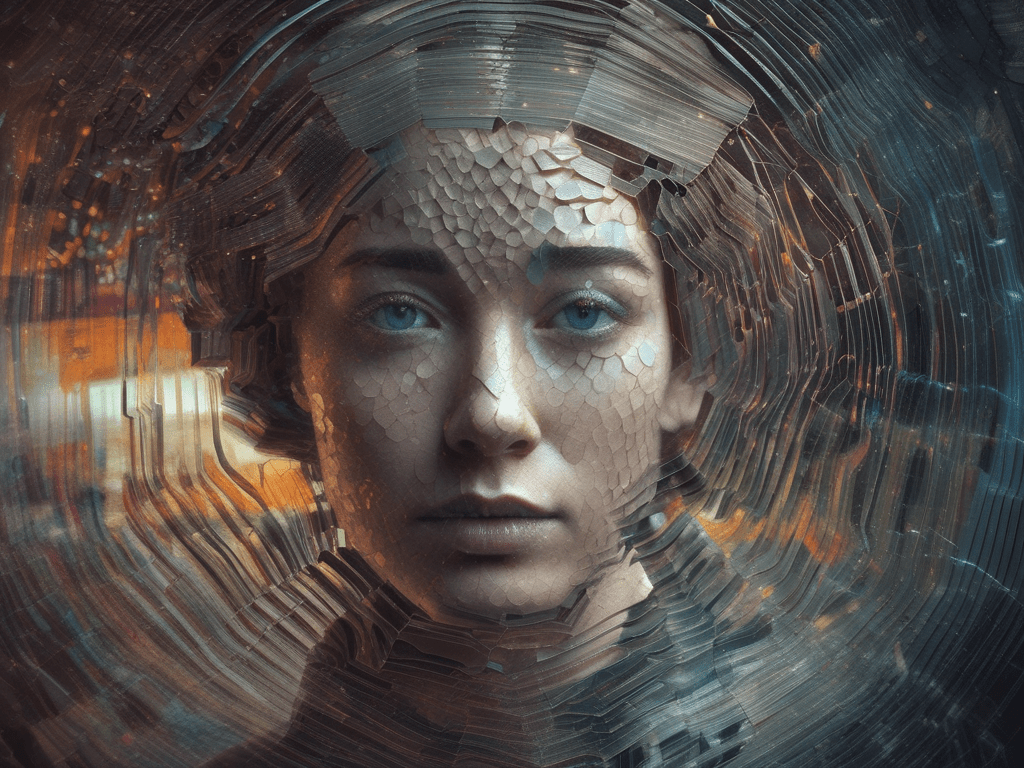
Introduction to Generative Art Ethics
Generative art, which uses algorithms and computational processes to create visual or auditory content, is a rapidly evolving field. This form of art, which leverages technology to expand creative possibilities, raises several ethical considerations. These include the potential for harmful content, copyright issues, data privacy concerns, and the broader impact on society and the art industry.
Generative art’s influence is growing, making it crucial to address these ethical challenges to ensure the technology enhances, rather than undermines, creativity and innovation. By exploring these issues, we can foster a responsible approach to generative art that benefits both creators and the public.
Generative AI and Harmful Content
One of the primary ethical concerns with generative AI is its potential to produce harmful or offensive material. Tools like Deepfakes demonstrate the risks associated with generative AI, as they can create hyper-realistic fake videos that spread misinformation, manipulate public opinion, or damage reputations. Such misuse poses significant societal risks and highlights the need for robust safeguards and ethical guidelines to prevent abuse while allowing beneficial applications (MIT News) (OpenRICE | Rice University).
Copyright and Legal Exposure
Generative AI models are often trained on vast datasets, including existing artworks, which raises significant copyright concerns. These models might inadvertently replicate elements of copyrighted works, leading to potential infringement and legal, reputational, and financial risks for creators and companies using these models. Establishing clear guidelines on the use of training data and proper attribution of AI-generated content is necessary to mitigate these risks and maintain the integrity of the creative industry (MIT News) (Humanists of Linn County) (World Economic Forum).
Data Privacy Violations
Generative AI models frequently rely on datasets that include sensitive information, raising concerns about data privacy. Using such data without proper consent or safeguards can lead to privacy violations. Responsible handling of data involves implementing robust data protection measures and adhering to privacy regulations to protect individuals’ privacy. Artists and developers must be aware of the ethical implications of using personal data in their generative projects and take steps to anonymize and secure data (MIT News) (SCU).
Uncredited Art and Attribution
Using existing artworks to train generative AI models without proper credit to the original artists poses an ethical dilemma. This practice can undermine the contributions of artists and impact their revenue, raising questions about originality and creativity. Ensuring that artists receive appropriate credit and compensation helps maintain the integrity of the creative process and supports the sustainability of the art industry (MIT News) (Humanists of Linn County) (World Economic Forum).
Human Intervention and Business Ethics
Human intervention is crucial for aligning AI-generated content with ethical standards. Organizations leveraging generative AI must implement ethical review processes and involve diverse perspectives in decision-making to proactively address potential ethical issues. Fostering a culture of responsibility and transparency within organizations helps minimize the negative impacts of generative AI and promotes its ethical use (MIT News) (AI Wise Art).
Impact on Art Industry
The potential for generative AI to replace human artists raises concerns about the future of the art industry. While AI can generate content quickly and efficiently, it may also reduce demand for human artists, affecting their livelihoods and the quality of creative output. Finding a balance between leveraging AI’s capabilities and preserving the unique contributions of human artists is crucial (MIT News) (Humanists of Linn County) (OpenRICE | Rice University).
Stifling Art Evolution
Reliance on generative AI could potentially stifle the evolution of art by limiting the diversity of original reference material. If AI-generated content becomes the dominant form of creation, the art world may see a reduction in the variety of creative expressions and innovative ideas. Encouraging the continued evolution of art requires supporting human creativity and ensuring that generative AI serves as a tool to enhance, rather than replace, human artistic efforts (MIT News) (ar5iv).
Capitalism and Revenue Generation
The economic implications of generative AI in the art industry are significant. While AI can generate substantial revenue through the rapid production of content, it also raises questions about profit distribution and artistic integrity. Balancing profit motives with ethical considerations involves ensuring that artists and creators benefit fairly from the use of their work in training AI models and that the creative process remains authentic and respectful of artistic values (Humanists of Linn County) (Exuberation Art).
Positive Social and Cultural Changes
When used ethically, generative AI can contribute to positive social and cultural changes. Responsible practices and collaborations can enhance creativity, accessibility, and diversity in the art world, making art more inclusive and engaging. Highlighting successful examples of ethical generative art projects can inspire others to adopt responsible practices and demonstrate the potential for AI to enrich cultural experiences (MIT News) (OpenRICE | Rice University) (AI Wise Art).
Deep Learning Models and Ethical Challenges
Deep learning-based models present unique ethical challenges, including issues of bias, transparency, and accountability. Ensuring that these models are developed and used responsibly requires ongoing efforts to address these challenges and balance innovation with ethical considerations. Implementing rigorous ethical standards and fostering collaboration among stakeholders can help navigate these challenges effectively (Oxford University Press) (ar5iv).
Artistic Aesthetics and Human Condition
Generative AI can replicate artistic styles rooted in human experiences, but it is essential to preserve the authenticity and emotional depth of traditional art. Understanding the limitations of AI in capturing the nuances of human expression is crucial for maintaining the integrity of artistic aesthetics. Promoting dialogue between AI developers and artists can ensure that generative art complements, rather than diminishes, the richness of human creativity (MIT News) (Humanists of Linn County).
Alt Text and Model Understanding
AI models interpret alt text for visual representation, but there are limitations and potential inaccuracies in this process. Ensuring that models accurately understand and represent visual content involves continuous refinement and validation. Improving model understanding and addressing these limitations can enhance the quality and reliability of AI-generated visuals (ar5iv) (SCU).
Balancing Creativity and Responsibility
Achieving a balance between creativity and responsibility in generative art requires collaborative efforts among policymakers, legal experts, and AI developers. Establishing ethical guidelines and fostering an open dialogue on best practices can ensure that generative art continues to thrive while respecting societal values. Promoting awareness and education on generative art ethics empowers creators to make informed choices and contribute positively to the art world (AI Wise Art) (USC Today).
Case Studies and Real-Life Examples
Showcasing instances where generative art ethics were challenged provides valuable lessons for the community. Learning from both positive and negative experiences helps identify best practices and areas for improvement. Highlighting case studies of ethical generative art projects can inspire others to adopt responsible practices and demonstrate the potential for AI to enhance cultural experiences responsibly (MIT News) (OpenRICE | Rice University).
Educating Artists and Creators
Promoting awareness of generative AI ethics within the creative community is crucial for fostering responsible use. Providing resources, guidelines, and educational initiatives can empower artists and developers to navigate ethical challenges effectively. Workshops, seminars, and online courses on generative art ethics can equip creators with the knowledge and tools needed to make ethical decisions in their practice (AI Wise Art) (USC Today).
Public Perception and Trust
Ethical practices in generative art enhance public trust and credibility. Transparency, accountability, and responsible use of AI are key factors in building and maintaining trust with audiences. Demonstrating a commitment to ethical standards helps foster positive relationships with the public and promotes the acceptance and appreciation of generative art (SCU) (USC Today).
Educational Initiatives and Workshops
Educational programs on generative art ethics can play a significant role in promoting responsible practices. Workshops, seminars, and courses can provide artists and developers with the knowledge and skills needed to navigate ethical challenges and contribute positively to the field. Encouraging continuous learning and adaptation ensures that the generative art community remains informed and prepared to address evolving ethical considerations (USC Today).
Future Trends and Responsible AI
Predicting the evolution of generative art ethics involves anticipating future challenges and opportunities. Advocating for continuous learning, adaptation, and collaboration among stakeholders can ensure that generative art evolves responsibly and ethically. By staying ahead of trends and fostering a culture of ethical innovation, the generative art community can navigate the complexities of AI and creativity effectively (MIT News) (OpenRICE | Rice University) (SCU).
Conclusion
Generative art ethics encompass a wide range of considerations, from copyright and attribution to data privacy and societal impact. Reflecting on these issues and promoting responsible practices ensures that generative art continues to enhance creativity and innovation while respecting the rights and interests of artists and the public. Encouraging ongoing discussions and education on generative art ethics is essential for fostering a vibrant and ethical creative community.
FAQ
What is generative art?
- Generative art is a form of art created using algorithms and computational processes to generate unique and often unpredictable results.
Why are ethics important in generative art?
- Ethics in generative art are important to address issues like copyright infringement, data privacy, and the potential for harmful content.
What are Deepfakes, and why are they controversial?
- Deepfakes are hyper-realistic fake videos created using AI. They are controversial because they can be used to spread misinformation and manipulate public opinion.
How does generative AI impact copyright?
- Generative AI models trained on existing artworks can potentially infringe on copyrights by reproducing elements of those works without permission.
What are the data privacy concerns with generative AI?
- Generative AI often relies on datasets that may include sensitive information, raising concerns about the responsible handling of personal data.
How can artists protect their work from being used by AI without permission?
- Artists can advocate for stronger copyright laws and use digital watermarking to track the use of their work.
 Visual Alchemist
4 responses to “Navigating Ethical Challenges in Generative Art”
[…] strive to create inclusive and respectful designs. This consideration aligns with discussions in Navigating Ethical Challenges in Generative Art, where the potential for technology to shape artistic expression is balanced with the need for […]
LikeLike
[…] those navigating ethical considerations, insights from navigating ethical challenges in generative art can guide you toward responsible […]
LikeLike
[…] artists without proper attribution, have sparked discussions about intellectual property. In Navigating Ethical Challenges in Generative Art, I explore how the art world is grappling with these new dilemmas as AI continues to play an […]
LikeLike
[…] a discussion on ethical challenges, the article Navigating Ethical Challenges in Generative Art provides valuable […]
LikeLike