Introduction
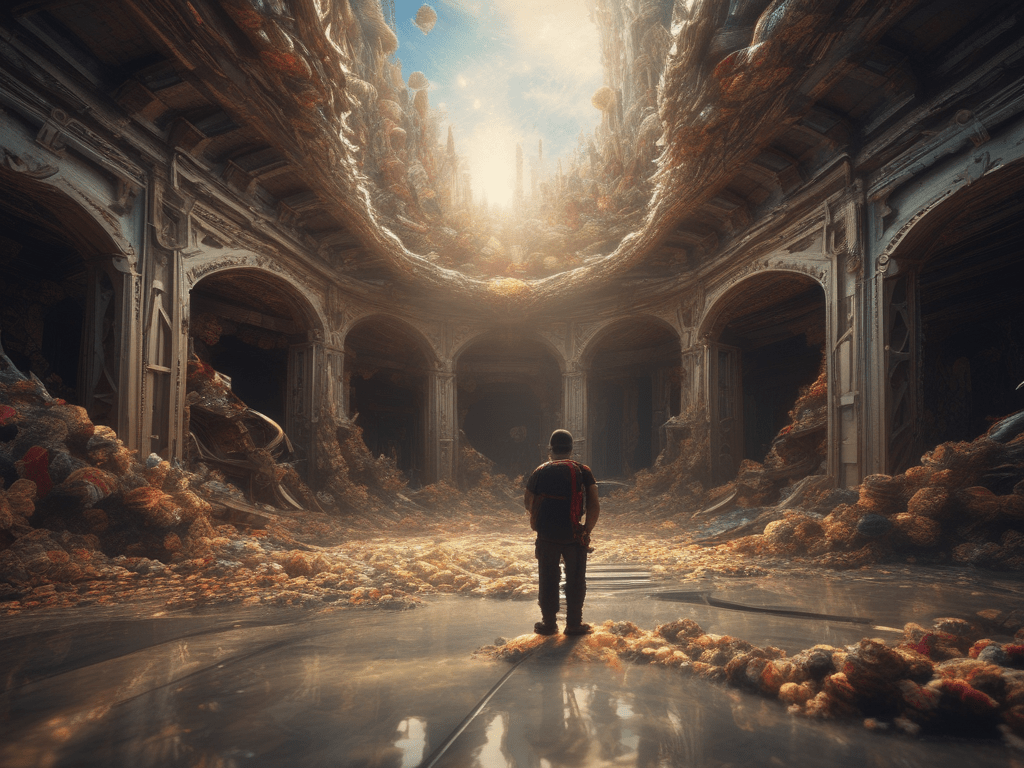
Generative art, a blend of algorithmic processes and digital creativity, has become a cornerstone of modern digital art. This art form leverages computational power to produce unique and often unpredictable visual outcomes, pushing the boundaries of traditional artistic expression. Storytelling, on the other hand, has been a fundamental aspect of human culture since ancient times. Through stories, we convey emotions, share experiences, and connect with one another. The fusion of generative art and storytelling offers a powerful medium for creating immersive and emotionally resonant experiences. This blog explores how generative visuals can be combined with narrative elements to create art that tells a story and evokes emotions.
The Essence of Generative Art
Creation through Algorithms
Generative art is created using algorithms, randomness, and computational processes. Artists write code that instructs a computer to generate patterns, shapes, and animations, often introducing elements of randomness to ensure that each piece is unique. This approach allows for the creation of complex and intricate designs that would be challenging to produce manually.
Showcasing Generative Visuals
- Fractals: Fractals, such as the Mandelbrot set, are self-similar structures that reveal increasing detail the closer you look. These patterns evoke a sense of wonder and curiosity, drawing viewers into their infinite complexity. Artists use fractal algorithms to create mesmerizing visual experiences that challenge our perception of order and chaos.
- Abstract Patterns: Abstract patterns generated algorithmically can produce stunning and intricate designs. These patterns often lack a clear representation but instead focus on the aesthetic and emotional impact of the visual elements. Artists can manipulate parameters to explore a vast array of abstract forms, each with its own unique characteristics.
- Dynamic Animations: Generative animations add a temporal dimension to generative art, allowing artists to create visuals that change and evolve over time. These animations can tell stories through motion, transforming static patterns into dynamic narratives. The fluidity and unpredictability of generative animations captivate audiences, offering a continuously evolving visual experience.
Narrative Elements in Art
Characters
In traditional storytelling, characters are the focal point around which narratives are built. Generative art can represent characters or entities through abstract forms and patterns. For example, a series of evolving shapes might symbolize a character’s transformation or journey. By using generative algorithms, artists can create characters that change and grow, reflecting the dynamic nature of human experience.
Setting
The setting or background in generative art provides context and depth to the narrative. Artists can generate entire environments that evolve over time, creating immersive worlds that enhance the storytelling experience. Whether it’s a fractal landscape or a dynamic abstract space, the setting in generative art can evoke a strong sense of place and atmosphere, drawing viewers deeper into the story.
Plot
Generative art can convey plot points or sequences through visual transitions and changes. For instance, a generative animation might depict a journey through different abstract landscapes, symbolizing a character’s adventures and challenges. By carefully designing the sequence of visual changes, artists can create a narrative arc that guides the viewer through the story, building tension and resolution visually.
Emotional Impact
Color Psychology
Color plays a crucial role in evoking emotions in generative art. Different colors can trigger different emotional responses; for instance, blue often evokes calmness, while red can indicate excitement or danger. Artists can use color theory to manipulate the emotional tone of their generative art, creating pieces that resonate with viewers on a deep, emotional level.
Composition
The composition of generative visuals, including the arrangement and interaction of shapes and patterns, significantly impacts the overall mood of the piece. Symmetrical compositions might convey harmony and balance, while asymmetrical or chaotic arrangements can evoke tension or unease. Artists use compositional techniques to guide the viewer’s eye and influence their emotional response to the artwork.
Dynamic Transitions
Dynamic transitions in generative art, such as the gradual transformation of patterns or the shifting of colors, can evoke different feelings. Smooth, flowing transitions might create a sense of calm and relaxation, while abrupt changes can induce surprise or excitement. By controlling the pace and nature of these transitions, artists can craft generative art that elicits specific emotional reactions from viewers.
Generative Art as Storytelling
Case Studies
- “The Infinite Journey”: This animated generative piece depicts a character’s journey through abstract landscapes. Each landscape represents a different phase of the character’s journey, with changing patterns and colors reflecting the emotional highs and lows experienced along the way. The continuous evolution of the visuals keeps viewers engaged, symbolizing the endless nature of personal growth and exploration.
- “Metamorphosis”: A series of evolving patterns symbolizes personal growth and transformation. Starting with simple shapes, the patterns gradually become more complex and intricate, reflecting the character’s journey from simplicity to complexity. This generative piece uses visual evolution to tell a story of self-discovery and change.
- “Whispers of Time”: This generative mural tells the story of a forgotten civilization. As viewers watch, ancient symbols and patterns emerge and fade, creating a sense of mystery and historical depth. The generative process simulates the passage of time, with visual elements that appear and disappear like fleeting memories, evoking a sense of nostalgia and wonder.
Artist’s Intent and Audience Interpretation
In these case studies, the artist’s intent is to create a narrative through visual elements, guiding the viewer’s experience and emotional journey. However, the interpretation of generative art is often subjective, with each viewer bringing their own experiences and emotions to the piece. This interplay between artist intent and audience interpretation enriches the storytelling potential of generative art, making each viewing experience unique.
Human–Machine Collaboration
Seed Ideas
Artists often provide initial prompts or seed ideas for generative systems, setting the foundation for the algorithm’s creative process. These prompts can be simple shapes, color schemes, or conceptual themes that the algorithm then expands upon. This collaboration allows artists to infuse their vision into the generative process while embracing the unpredictability of computational creativity.
Iterative Process
The creation of generative art is often an iterative process, with artists and algorithms working together to refine and develop the final piece. Artists may adjust parameters, tweak algorithms, and guide the generative process through multiple iterations, allowing for a back-and-forth exchange of ideas and influences. This iterative approach blurs the boundaries between human and machine creativity, resulting in artworks that are both algorithmically complex and artistically intentional.
Surprises and Serendipity
One of the most exciting aspects of generative art is the element of surprise and serendipity. Algorithms can produce unexpected and novel results, inspiring artists to explore new directions and ideas. These serendipitous outcomes often lead to creative breakthroughs, highlighting the dynamic and collaborative nature of generative art.
Challenges and Ethical Considerations
Originality
A common concern in generative art is the question of originality. Can art created by algorithms truly be considered original? While algorithms follow predefined rules, the element of randomness and the unique inputs provided by artists ensure that each generative piece is distinct. The originality of generative art lies in the collaboration between human creativity and computational processes, resulting in works that are both innovative and unique.
Bias
Algorithms used in generative art can inadvertently perpetuate biases present in the data they are trained on. Artists must be aware of these potential biases and take steps to mitigate them, ensuring that their generative art is inclusive and representative. This involves critically evaluating the algorithms and data sources used, and making conscious choices to promote diversity and equity in their work.
Ownership
Ownership of generative art can be complex, especially in collaborative works where both the artist and the algorithm play significant roles. Questions of authorship and intellectual property arise, challenging traditional notions of artistic ownership. Artists and legal experts must navigate these challenges, establishing clear guidelines and agreements to ensure fair recognition and rights for all contributors.
Conclusion
Generative art and storytelling share a symbiotic relationship, where visual elements and narrative components combine to create immersive and emotionally resonant experiences. By exploring the synergy between algorithms and narratives, artists can push the boundaries of creativity, creating works that are both technologically innovative and deeply human. As this fusion of art and technology continues to evolve, it holds the transformative potential to redefine how we create, experience, and interpret art.
Beginner Project Tutorials
Generative Art in Python with Turtle Graphics
- Learn how to use Python’s Turtle graphics to create generative art. This tutorial covers basic shapes and patterns, perfect for beginners.
Intro to Generative Art Using Processing
- Explore the Processing environment to create dynamic generative art. This tutorial starts with simple code and builds up to more complex designs.
Creating Generative Art with TouchDesigner
- Discover how to use TouchDesigner to create real-time generative visuals. Ideal for those interested in interactive and audiovisual art.
FAQ
What is generative art?
- Generative art is a form of digital art created using algorithms and computational processes.
How does storytelling enhance generative art?
- Storytelling adds narrative depth and emotional resonance to generative art, making it more engaging and meaningful.
What are the key elements of storytelling in art?
- Key elements include characters, settings, and plot, which can be represented through visual components in generative art.
Can generative art evoke emotions?
- Yes, generative art can evoke emotions through color psychology, composition, and dynamic transitions.
What tools are used to create generative art?
- Popular tools include Processing, p5.js, and JavaScript libraries like Three.js.
How do artists collaborate with algorithms?
- Artists provide initial prompts and iteratively refine the generative process, resulting in a collaborative creation between human and machine.
What are some famous generative art pieces?
- Famous pieces include “The Infinite Journey,” “Metamorphosis,” and “Whispers of Time,” which use generative visuals to tell compelling stories.
What is the role of randomness in generative art?
- Randomness introduces variability and uniqueness, ensuring that each generative piece is distinct.
Can generative art be considered original?
- Yes, the originality lies in the unique collaboration between human creativity and computational processes.
What are the ethical considerations in generative art?
- Considerations include addressing bias in algorithms, ensuring fair ownership, and promoting diversity and inclusion in generative works.
How can beginners start with generative art?
- Beginners can start with online tutorials and resources, such as those available on YouTube and coding platforms like Processing.
What is bio art and how does it relate to generative art?
- Bio art uses living matter and synthetic biology to create artworks, while generative art uses algorithms. Both explore the intersection of technology and creativity.
How do generative animations tell stories?
- Generative animations use visual transitions and evolving patterns to create narrative arcs and guide viewers through a story.
What are the challenges in creating generative art?
- Challenges include ensuring originality, addressing biases in algorithms, and navigating ownership and intellectual property issues.
Where can I learn more about generative and narrative art?
- Online resources, academic courses, and communities like the Processing Foundation and the Coding Train on YouTube are excellent places to start.
Generative art, with its combination of algorithmic creativity and narrative depth, offers a unique and powerful medium for storytelling. By exploring this intersection, artists can create works that captivate, engage, and inspire, pushing the boundaries of what is possible in art and narrative expression.
 Visual Alchemist
2 responses to “Immersive Storytelling with Generative Visuals: Emotions and Creativity”
[…] connection between the audience and the content. This concept is explored in the context of Immersive Storytelling with Generative Visuals: Emotions and Creativity, where the fusion of technology and narrative enhances the impact of visual […]
LikeLike
[…] Learn how to harness the power of storytelling with generative visuals in our piece on Immersive Storytelling with Generative Visuals, Emotions, and Creativity. […]
LikeLike