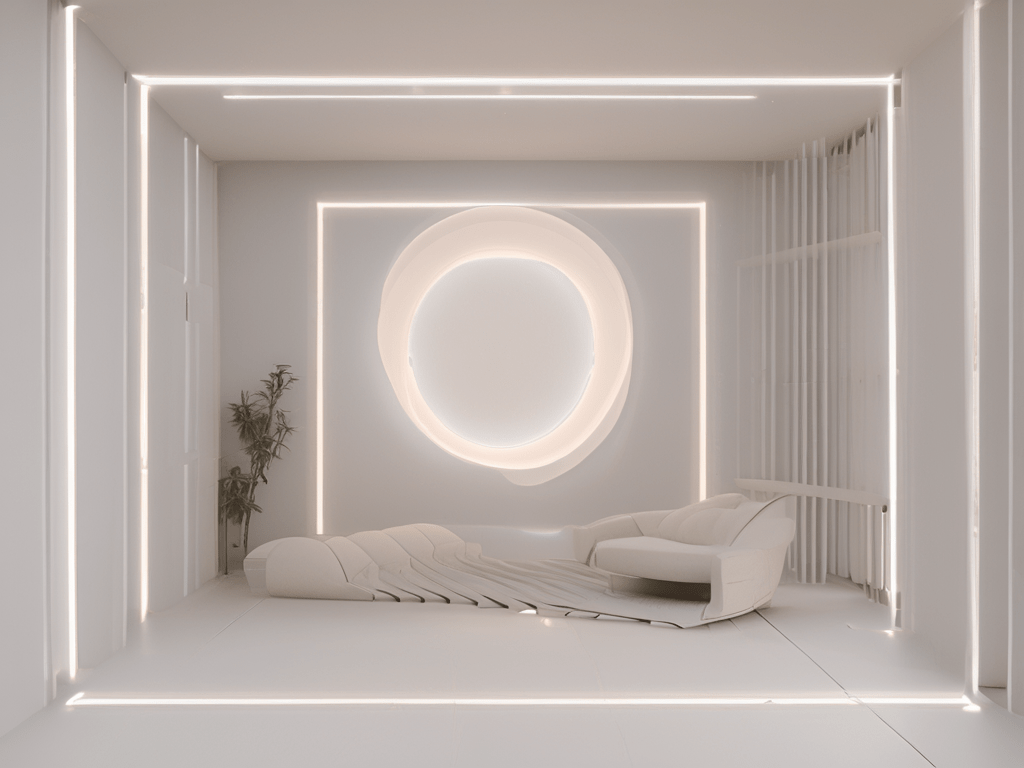
Introduction
Generative art and minimalism are two distinct yet complementary artistic approaches that focus on simplicity, abstraction, and reduction. Generative art employs algorithms and computational processes to create unique visuals, while minimalism emphasizes clean lines, open spaces, and essential elements. This blog explores the intersection of these two art forms, highlighting their shared principles and examining how they can combine to produce powerful, evocative works of art.
Minimalism, as an artistic movement, emerged in the mid-20th century as a response to the complexity and excess seen in other art forms. It sought to strip art down to its most fundamental features, creating works that were both visually and conceptually simple. Generative art, on the other hand, leverages the power of computation to produce intricate designs and patterns that often carry a minimalist aesthetic. By blending these two approaches, artists can create pieces that are both methodically generated and elegantly simple, offering viewers a meditative and profound visual experience.
In this blog, we will delve into the history and evolution of both minimalism and generative art, explore their formal connections, and examine the emotional impact of minimalistic generative compositions. We will also look at case studies and highlight notable artists who exemplify this fusion, addressing the challenges and ethical considerations inherent in this artistic practice.
Origins and Evolution
The Roots of Minimalism
Minimalism as an art movement began in the mid-20th century, primarily in the United States. It emerged as a counter-movement to the expressive excesses of Abstract Expressionism, focusing instead on simplicity and objectivity. Artists like Donald Judd, Agnes Martin, and Frank Stella championed minimalism, creating works characterized by geometric shapes, clean lines, and a deliberate reduction of form. Minimalism’s core principles include the use of simple, repetitive elements, an emphasis on the physical properties of materials, and the creation of art that eschews personal expression in favor of universal, objective forms.
Introduction to Generative Art
Generative art has its roots in the early experiments of artists and scientists who used computers to create art. Pioneers like Harold Cohen, Herbert Franke, and Vera Molnar explored the potential of algorithms to produce visual art, laying the groundwork for contemporary generative practices. Generative art involves semi- or fully autonomous creation processes, where the artist designs an algorithm that generates the artwork, often introducing elements of randomness to ensure uniqueness. This method allows for the creation of complex, intricate patterns and designs that align well with minimalist aesthetics.
Alignment of Generative Art with Minimalist Aesthetics
Generative art naturally aligns with minimalism through its focus on algorithmic processes that can produce simple, repetitive patterns and geometric abstractions. The use of algorithms to generate clean, precise forms echoes the minimalist emphasis on reduction and essentiality. Both approaches value the beauty of simplicity and the power of restraint, creating art that invites contemplation and introspection.
Formal Connections
Geometric Abstractions
In minimalism, geometric shapes and repetition are fundamental. Works often feature grids, lines, and simple forms arranged in a deliberate, orderly manner. Generative art similarly employs algorithms to create geometric patterns, using mathematical rules to produce shapes and sequences. The resulting artworks can be strikingly minimalistic, with clean lines and repetitive structures that evoke the essence of minimalism.
Illusionistic Effects
Minimalist artists frequently use negative space and optical illusions to create depth and visual interest. Generative art can enhance these effects through dynamic visual algorithms that produce shifting patterns and illusions. By manipulating parameters, generative artists can create works that play with perception, producing visual effects that engage and challenge the viewer.
Visual Harmony
Both minimalism and generative art seek to achieve balance and harmony in their compositions. Minimalist works often emphasize symmetry and proportion, while generative art uses algorithmic precision to create harmonious designs. This shared focus on visual order and balance results in artworks that are aesthetically pleasing and intellectually stimulating.
Minimalistic Generative Compositions
Geometric Abstractions
Generative artists can create minimalist compositions using simple shapes such as circles, squares, and triangles. These basic forms, when arranged algorithmically, can produce intricate and harmonious patterns. Examples include algorithmic grids, repetitive patterns, and minimalist color palettes. These works often evoke a sense of calm and order, reflecting the minimalist principle of finding beauty in simplicity.
Linear Progressions
Generative sequences based on mathematical progressions, such as the Fibonacci sequence, can produce visually compelling art. These linear progressions create a sense of depth and elegance through their inherent order and simplicity. By using algorithms to generate these sequences, artists can explore the aesthetic potential of mathematical relationships, producing works that are both minimalistic and deeply engaging.
Whitespace and Silence
Negative space, or whitespace, is a crucial element in minimalism, providing a sense of openness and calm. Generative art can incorporate intentional gaps or pauses, creating compositions that use emptiness to enhance the visual impact. These spaces allow the viewer’s eye to rest and the mind to contemplate, reinforcing the minimalist ethos of less is more.
Emotional Impact
Calmness and Contemplation
Minimalistic compositions often evoke feelings of serenity and contemplation. The simplicity and order of minimalist art create a meditative experience, inviting viewers to slow down and reflect. Generative art’s repetitive patterns and harmonious designs can similarly induce a sense of calm, making these works particularly effective in evoking peaceful and contemplative emotions.
Subtle Complexity
Beneath the apparent simplicity of minimalist art lies a subtle complexity. This depth is mirrored in generative art, where intricate algorithms create variations within a minimalistic framework. The subtle changes and variations produced by generative processes add layers of meaning and interest, encouraging viewers to engage more deeply with the artwork.
Engagement with Audience
Both minimalism and generative art invite active engagement from the viewer. Minimalist works often require careful observation to appreciate their nuances, while generative art’s dynamic nature encourages interaction. This engagement fosters a deeper connection between the viewer and the artwork, enhancing the overall emotional impact.
Case Studies and Artists
Case Study 1: “Elegance in Code”
One notable example of generative minimalism is the artwork “Elegance in Code,” created by a contemporary generative artist. This piece features a series of geometric shapes generated through an algorithm that emphasizes simplicity and balance. The artist’s intent was to explore the intersection of mathematics and aesthetics, using code to produce a visually harmonious composition. The viewer reception has been overwhelmingly positive, with many appreciating the work’s serene beauty and intellectual rigor.
Case Study 2: “Silent Symmetry”
“Silent Symmetry” is another example of minimalist generative art. This piece uses an algorithm to generate symmetrical patterns that gradually evolve over time. The simplicity of the design, combined with the subtle changes introduced by the algorithm, creates a work that is both visually striking and meditative. The balance achieved through simplicity makes this piece a powerful example of the emotional impact of generative minimalism.
Famous Artists in Generative Minimalism
Artists like Vera Molnar, Casey Reas, and Manfred Mohr have made significant contributions to the field of generative minimalism. Vera Molnar, one of the pioneers of computer art, used early algorithms to create minimalistic compositions. Casey Reas, co-creator of the Processing programming language, explores the aesthetics of simplicity through generative processes. Manfred Mohr’s work often features geometric abstractions and algorithmic sequences, aligning closely with minimalist principles.
Challenges and Ethical Considerations
Originality and Repetition
One challenge in generative art is maintaining originality despite the use of repetitive algorithms. While minimalism embraces repetition, there is a tension between creating unique works and the potential for sameness in generative processes. Artists must carefully balance these elements to ensure their work remains fresh and engaging.
Ownership and Algorithms
The question of ownership in generative art is complex, as it involves both the artist and the algorithm. Who owns the art—the creator of the algorithm or the person who runs it? This issue raises ethical implications, particularly in collaborative or automated creation. Artists and legal experts must navigate these challenges, establishing clear guidelines to ensure fair recognition and rights for all contributors.
Ethical Implications of Automated Creation
Automated creation in generative art also poses ethical questions about the role of the artist and the value of human creativity. While algorithms can produce beautiful and complex works, the extent to which they can be considered true art is a topic of ongoing debate. Artists must grapple with these ethical considerations, finding ways to integrate technology responsibly and thoughtfully into their creative practice.
Conclusion
Generative art and minimalism, with their shared focus on simplicity and abstraction, offer a unique and powerful fusion that celebrates the beauty of reduction. By combining algorithmic processes with minimalist principles, artists can create works that are both visually and conceptually profound. This intersection invites viewers to contemplate and engage with the art on a deeper level, appreciating the elegance and complexity that arises from simplicity. As artists continue to explore this fusion, the potential for creating transformative and enduring compositions remains boundless.
Beginner Project Tutorials
Generative Art in Python with Turtle Graphics
- Learn how to use Python’s Turtle graphics to create generative art. This tutorial covers basic shapes and patterns, perfect for beginners.
Intro to Generative Art Using Processing
- Explore the Processing environment to create dynamic generative art. This tutorial starts with simple code and builds up to more complex designs.
Creating Generative Art with TouchDesigner
- Discover how to use TouchDesigner to create real-time generative visuals. Ideal for those interested in interactive and audiovisual art.
FAQ
What is generative art?
- Generative art is a form of digital art created using algorithms and computational processes.
How does minimalism influence generative art?
- Minimalism influences generative art by emphasizing simplicity, reduction, and essential elements, creating visually and conceptually clear works.
What are the key principles of minimalism?
- Key principles include clean lines, open spaces, geometric shapes, and a focus on the essential features of the artwork.
Can generative art evoke emotions?
- Yes, generative art can evoke emotions through color psychology, composition, and dynamic transitions.
What tools are used to create generative art?
- Popular tools include Processing, p5.js, Python, and JavaScript libraries like Three.js.
How do artists collaborate with algorithms?
- Artists provide initial prompts and iteratively refine the generative process, resulting in a collaborative creation between human and machine.
What are some famous generative art pieces?
- Famous pieces include “Elegance in Code” and “Silent Symmetry,” which use generative visuals to explore minimalistic principles.
What is the role of randomness in generative art?
- Randomness introduces variability and uniqueness, ensuring that each generative piece is distinct.
Can generative art be considered original?
- Yes, the originality lies in the unique collaboration between human creativity and computational processes.
What are the ethical considerations in generative art?
- Considerations include addressing bias in algorithms, ensuring fair ownership, and promoting diversity and inclusion in generative works.
How can beginners start with generative art?
- Beginners can start with online tutorials and resources, such as those available on YouTube and coding platforms like Processing.
What are some key differences between generative art and traditional art?
- Generative art relies on algorithms and computational processes, while traditional art involves manual techniques and direct human intervention.
How do generative artists achieve minimalism in their work?
- Generative artists achieve minimalism by using simple shapes, repetitive patterns, and a focus on essential elements in their algorithmic designs.
What challenges do generative artists face?
- Challenges include maintaining originality, navigating ownership issues, and addressing ethical considerations in automated creation.
Where can I learn more about generative and minimalistic art?
- Online resources, academic courses, and communities like the Processing Foundation and the Coding Train on YouTube are excellent places to start.
Generative art, with its combination of algorithmic creativity and minimalist aesthetics, offers a unique and powerful medium for creating art that is both visually striking and conceptually deep. By exploring this intersection, artists can push the boundaries of what is possible in art and design, creating works that captivate, engage, and inspire.
 Visual Alchemist