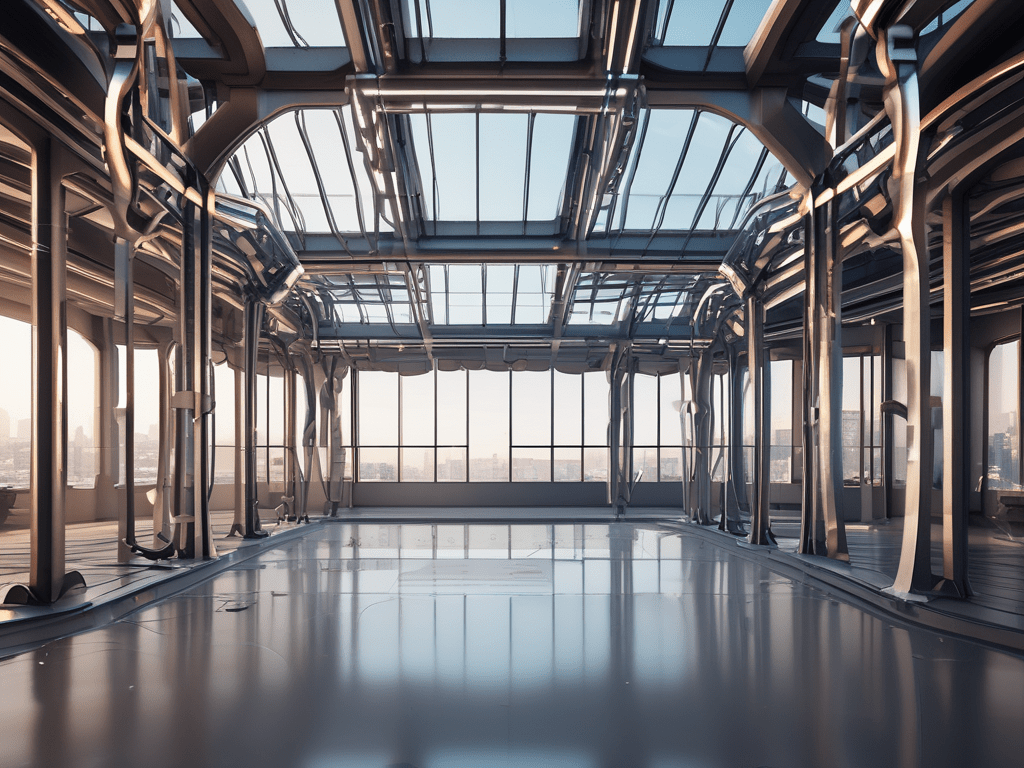
Introduction
Generative design is revolutionizing the field of architecture by using algorithms and computational processes to create innovative and efficient designs. This approach leverages the power of computer algorithms to explore a vast array of design possibilities and optimize structures based on specified constraints. In this blog, we will explore the basics of generative design in architecture, its benefits, key tools and techniques, and practical examples to help you get started.
What is Generative Design?
Generative design is a process that uses computational algorithms to generate a wide range of design options based on predefined parameters and constraints. By automating parts of the design process, architects can explore numerous possibilities and find optimized solutions that might not be evident through traditional methods.
Key Characteristics of Generative Design
- Algorithmic Approach: Uses algorithms to generate design options.
- Optimization: Finds the most efficient and effective design based on specified constraints.
- Exploration: Allows for the exploration of numerous design possibilities.
Benefits of Generative Design in Architecture
Generative design offers several advantages that enhance the architectural design process and result in more efficient and innovative structures.
Efficiency and Optimization
Generative design can optimize building layouts, materials, and structural components to maximize efficiency and reduce costs.
Innovation and Creativity
By exploring a wide range of design possibilities, generative design encourages innovation and creativity, leading to unique and unconventional architectural solutions.
Sustainability
Generative design can incorporate sustainability criteria, optimizing designs for energy efficiency, material usage, and environmental impact.
Tools and Software for Generative Design
Several tools and software platforms facilitate generative design in architecture, each offering unique features and capabilities.
Autodesk Generative Design
Autodesk offers powerful generative design tools integrated into its software suite, such as Revit and Fusion 360. These tools use algorithms to generate and evaluate multiple design options based on user-defined goals and constraints.
Rhino and Grasshopper
Rhino is a 3D modeling software widely used in architecture, and Grasshopper is a visual programming language that runs within Rhino. Together, they provide a robust platform for generative design, allowing architects to create complex algorithms and generate intricate designs.
Blender and Sverchok
Blender is an open-source 3D modeling software, and Sverchok is a parametric tool that integrates with Blender. Sverchok allows for generative design by enabling visual scripting and algorithmic modeling.
Techniques and Approaches in Generative Design
Various techniques and approaches are used in generative design to explore and optimize architectural solutions.
Parametric Design
Parametric design involves defining a set of parameters and rules that dictate the design’s behavior. By adjusting these parameters, architects can explore a wide range of design variations.
Example in Grasshopper:
plaintext
Copy code
Create a parametric model of a building facade where the pattern and spacing of windows can be adjusted using sliders.
Evolutionary Algorithms
Evolutionary algorithms mimic natural selection to evolve and optimize designs. These algorithms generate multiple design iterations, select the best-performing options, and refine them through successive generations.
Example in Autodesk Generative Design:
plaintext
Copy code
Use evolutionary algorithms to optimize the structural design of a building, minimizing material usage while maintaining strength and stability.
Form-Finding
Form-finding techniques use physical principles, such as gravity and tension, to generate optimized structural forms. These techniques are often used to design lightweight and efficient structures.
Example in Rhino and Grasshopper:
plaintext
Copy code
Create a tensile structure model that simulates fabric behavior under tension to find the optimal shape.
Practical Examples of Generative Design in Architecture
Generative design has been applied to numerous architectural projects, showcasing its potential to create innovative and efficient structures.
Example 1: Autodesk’s Generative Design Pavilion
Autodesk used generative design to create a pavilion that optimized structural efficiency and material usage. The design process involved generating and evaluating thousands of design options to find the most optimal solution.
Key Features:
- Algorithmically generated structure
- Optimized for material efficiency
- Innovative and aesthetically pleasing design
Example 2: Morpheus Hotel by Zaha Hadid Architects
The Morpheus Hotel in Macau, designed by Zaha Hadid Architects, features a free-form exoskeleton structure that was optimized using generative design techniques. The design process involved creating a parametric model and using algorithms to optimize the structural elements.
Key Features:
- Free-form exoskeleton structure
- Parametric design and optimization
- Iconic and futuristic aesthetic
Getting Started with Generative Design
To begin exploring generative design in architecture, follow these steps:
Learn the Basics
Familiarize yourself with the fundamental concepts and principles of generative design. Study examples and case studies to understand how generative design is applied in architecture.
Choose Your Tools
Select the tools and software that best suit your needs and learning preferences. Rhino and Grasshopper are excellent starting points due to their widespread use and extensive community support.
Experiment and Explore
Start with simple projects and gradually increase complexity as you gain confidence. Experiment with different algorithms, parameters, and constraints to understand how they influence the design outcomes.
Collaborate and Share
Join online communities and forums to share your work, seek feedback, and collaborate with other architects and designers. Learning from others’ experiences and insights can accelerate your progress.
Conclusion
Generative design is a powerful approach that leverages computational algorithms to create innovative and efficient architectural designs. By understanding the basics, exploring different techniques, and utilizing the right tools, architects can unlock new possibilities and optimize their designs for various criteria. Whether you are looking to enhance efficiency, encourage creativity, or promote sustainability, generative design offers a transformative approach to architectural design.
TL;DR for Each Section
- Introduction: Generative design uses algorithms to create innovative and efficient architectural designs by exploring numerous possibilities and optimizing based on constraints.
- What is Generative Design?: A process that generates design options through computational algorithms, focusing on optimization and exploration.
- Benefits of Generative Design in Architecture: Enhances efficiency, encourages innovation, and promotes sustainability in architectural design.
- Tools and Software for Generative Design: Key tools include Autodesk Generative Design, Rhino and Grasshopper, and Blender and Sverchok.
- Techniques and Approaches in Generative Design: Common techniques include parametric design, evolutionary algorithms, and form-finding.
- Practical Examples of Generative Design in Architecture: Notable projects include Autodesk’s Generative Design Pavilion and the Morpheus Hotel by Zaha Hadid Architects.
- Getting Started with Generative Design: Learn the basics, choose your tools, experiment with projects, and collaborate with others to explore generative design.
- Conclusion: Generative design offers a transformative approach to architecture, enabling innovative and optimized designs.
FAQs
What is generative design in architecture?
- Generative design in architecture uses computational algorithms to generate and optimize design options based on predefined parameters and constraints.
What are the benefits of generative design in architecture?
- Benefits include enhanced efficiency, increased innovation, and improved sustainability in architectural designs.
What tools are used for generative design in architecture?
- Popular tools include Autodesk Generative Design, Rhino and Grasshopper, and Blender and Sverchok.
What is parametric design?
- Parametric design involves defining a set of parameters and rules that dictate the behavior of the design, allowing for exploration of various design variations.
What are evolutionary algorithms?
- Evolutionary algorithms mimic natural selection to evolve and optimize designs through successive generations of iterations.
What is form-finding?
- Form-finding uses physical principles like gravity and tension to generate optimized structural forms, often used in designing lightweight structures.
How does Autodesk Generative Design work?
- Autodesk Generative Design uses algorithms to generate multiple design options based on user-defined goals and constraints, evaluating and optimizing each option.
What is Rhino and Grasshopper?
- Rhino is a 3D modeling software, and Grasshopper is a visual programming language that runs within Rhino, used for creating complex algorithms and generative designs.
What is Blender and Sverchok?
- Blender is an open-source 3D modeling software, and Sverchok is a parametric tool that integrates with Blender for generative design.
How do you get started with generative design?
- Learn the basics, choose appropriate tools, experiment with simple projects, and collaborate with other designers to explore generative design.
Can generative design improve sustainability in architecture?
- Yes, generative design can optimize designs for energy efficiency, material usage, and environmental impact, promoting sustainability.
What is Autodesk’s Generative Design Pavilion?
- A project by Autodesk that used generative design to create an optimized and aesthetically pleasing pavilion structure.
What is the Morpheus Hotel by Zaha Hadid Architects?
- An architectural project featuring a free-form exoskeleton structure optimized using generative design techniques.
What is the role of algorithms in generative design?
- Algorithms generate and evaluate multiple design options, optimizing based on predefined constraints and criteria.
How does generative design encourage innovation?
- By exploring a wide range of design possibilities, generative design encourages the discovery of unique and unconventional solutions.
Can generative design be used for urban planning?
- Yes, generative design can be applied to urban planning, optimizing layouts and structures for efficiency and sustainability.
What are some common challenges in generative design?
- Challenges include managing complexity, ensuring practicality, and balancing multiple optimization criteria.
How do you create a parametric model in Grasshopper?
- Use Grasshopper’s visual programming interface to define parameters and rules that dictate the design’s behavior.
What is the significance of form-finding in architecture?
- Form-finding techniques generate optimized structural forms, often resulting in lightweight and efficient designs.
Where can you learn more about generative design in architecture?
- Explore online tutorials, courses, books, and professional communities dedicated to generative design and computational architecture.
Bibliography
- Burry, Mark. “Scripting Cultures: Architectural Design and Programming”.
- Woodbury, Robert. “Elements of Parametric Design”.
- Autodesk Generative Design.
- Rhino and Grasshopper.
- Blender and Sverchok.
 Visual Alchemist
2 responses to “Generative Design in Architecture: Efficiency, Tools & Techniques”
[…] gas lamps casting a warm glow” Artists interested in architecture might find the article on generative design in architecture […]
LikeLike
[…] screens, influencing fields like architecture, fashion, and urban planning. An article titled Generative Design in Architecture explores how architects are leveraging these tools to design sustainable, efficient buildings that […]
LikeLike