Introduction
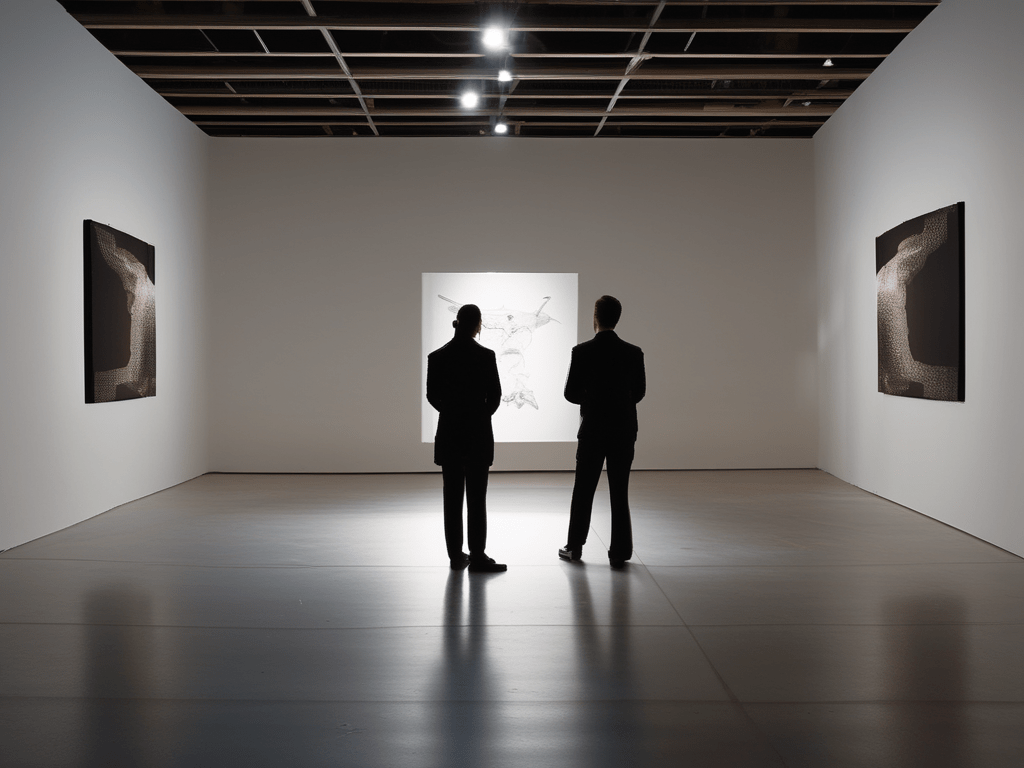
Interactive art installations are a captivating blend of technology and creativity, transforming traditional static artworks into dynamic, engaging experiences. These installations invite audience participation, making art an immersive and interactive journey. This blog will explore the world of interactive art installations, their history, key components, notable examples, and practical steps to create your own interactive art project.
The History of Interactive Art
Interactive art has evolved significantly since its inception, with technological advancements playing a crucial role in its development.
Early Beginnings
The concept of interactive art dates back to the early 20th century, with movements like Dada and Surrealism emphasizing viewer participation. Artists like Marcel Duchamp challenged the traditional boundaries of art by incorporating audience interaction.
Technological Advancements
The advent of digital technology in the late 20th century revolutionized interactive art. Artists began using computers, sensors, and software to create immersive environments that responded to audience input.
Contemporary Interactive Art
Today, interactive art installations leverage advanced technologies such as virtual reality (VR), augmented reality (AR), artificial intelligence (AI), and machine learning (ML) to create complex and engaging experiences.
Key Components of Interactive Art Installations
Creating a successful interactive art installation involves several key components that work together to engage and respond to the audience.
Sensors and Input Devices
Sensors detect audience interactions and environmental changes, serving as the input for the interactive system. Common sensors include:
- Motion Sensors: Detect movement and gestures.
- Touch Sensors: Respond to physical touch.
- Proximity Sensors: Sense the presence of nearby objects or people.
- Sound Sensors: Capture and analyze sound.
Processing and Software
The data from sensors is processed using software to determine the appropriate response. Popular software and frameworks for interactive art include:
- Processing: A flexible software sketchbook and language for visual arts.
- p5.js: A JavaScript library for creative coding, suitable for web-based projects.
- Max/MSP: A visual programming language for music and multimedia.
- Arduino: An open-source electronics platform for building interactive projects.
Output Devices
Output devices provide the visual, auditory, or tactile feedback that forms the interactive experience. Common output devices include:
- Displays: Screens, projectors, or LEDs for visual output.
- Speakers: Provide auditory feedback.
- Actuators: Create physical movement or vibration.
Notable Examples of Interactive Art Installations
Several artists and projects have pushed the boundaries of interactive art, creating memorable and influential installations.
Rain Room by Random International
Rain Room is an immersive installation that allows visitors to walk through a rainstorm without getting wet. Motion sensors detect the visitors’ movements, stopping the rain in the area where they are standing.
Key Features:
- Use of motion sensors to detect movement.
- Real-time control of water flow to create the illusion of walking through rain.
The Treachery of Sanctuary by Chris Milk
This large-scale installation consists of three interactive screens that respond to the movements of visitors. Using depth sensors and computer vision, the screens create a transformative experience that explores themes of birth, death, and rebirth.
Key Features:
- Use of depth sensors and computer vision for real-time interaction.
- Engages visitors in a narrative journey through visual transformations.
Dandelion Clock by Studio Roosegaarde
Dandelion Clock is an interactive installation that responds to the presence of viewers by releasing digital dandelion seeds. The seeds float and move in response to the viewer’s movements, creating a dynamic and playful experience.
Key Features:
- Use of proximity sensors to detect viewer presence.
- Real-time generation and movement of digital dandelion seeds.
Creating Your Own Interactive Art Installation
Creating an interactive art installation involves several steps, from conceptualization to implementation. Here is a practical guide to help you get started.
Conceptualize Your Idea
Begin by brainstorming and defining the concept of your interactive installation. Consider the following questions:
- What is the main theme or message of your installation?
- How will the audience interact with the artwork?
- What emotions or experiences do you want to evoke?
Select Your Tools and Materials
Choose the appropriate sensors, software, and output devices for your project. Popular choices include:
- Sensors: Motion sensors, touch sensors, proximity sensors, sound sensors.
- Software: Processing, p5.js, Max/MSP, Arduino.
- Output Devices: Displays, projectors, speakers, actuators.
Prototype and Experiment
Create a prototype of your installation to test and refine your ideas. Experiment with different interactions and responses to find the most effective setup.
Example: Prototyping with p5.js and Arduino
javascript
Copy code
// p5.js sketch to control an LED with a motion sensor
let motionSensor;
function setup() {
createCanvas(400, 400);
motionSensor = new p5.SerialPort();
motionSensor.open(‘/dev/tty.usbmodem1411’); // Adjust the port name as needed
motionSensor.on(‘data’, sensorData);
}
function sensorData() {
let data = motionSensor.read();
if (data == ‘motion detected’) {
background(0, 255, 0); // Change background color when motion is detected
} else {
background(255);
}
}
function draw() {
// Additional visual elements can be added here
}
This example uses p5.js to change the background color based on input from a motion sensor connected via Arduino.
Implement and Test
Once you have a working prototype, implement the full-scale installation. Test the installation thoroughly to ensure it responds correctly to audience interactions.
Exhibit and Engage
Set up your installation in a suitable space and invite the audience to interact with it. Observe how people engage with the artwork and gather feedback to make any necessary adjustments.
Conclusion
Interactive art installations offer a unique and engaging way to blend technology and creativity. By leveraging sensors, software, and output devices, artists can create dynamic experiences that invite audience participation and transform traditional art into immersive journeys. Whether you are an artist, designer, or technologist, exploring the world of interactive art can unlock new possibilities for creative expression.
TL;DR for Each Section
- Introduction: Interactive art installations blend technology and creativity, transforming traditional artworks into dynamic, engaging experiences.
- The History of Interactive Art: Evolved from early 20th-century movements to contemporary installations using advanced technology.
- Key Components of Interactive Art Installations: Include sensors, processing software, and output devices to create interactive experiences.
- Notable Examples of Interactive Art Installations: Projects like Rain Room, The Treachery of Sanctuary, and Dandelion Clock demonstrate innovative uses of technology and audience interaction.
- Creating Your Own Interactive Art Installation: Involves conceptualizing the idea, selecting tools, prototyping, implementing, and engaging the audience.
- Conclusion: Interactive art installations offer a transformative approach to art, inviting audience participation and leveraging technology for creative expression.
FAQs
What is an interactive art installation?
- An interactive art installation is an artwork that involves audience participation, responding to their actions and creating a dynamic experience.
What are the key components of an interactive art installation?
- Key components include sensors, processing software, and output devices.
How do sensors contribute to interactive art?
- Sensors detect audience interactions and environmental changes, providing input for the interactive system.
What software is commonly used in interactive art installations?
- Popular software includes Processing, p5.js, Max/MSP, and Arduino.
Can you give an example of a notable interactive art installation?
- The Rain Room by Random International uses motion sensors to allow visitors to walk through a rainstorm without getting wet.
How do you create a prototype for an interactive art installation?
- Use sensors, software, and output devices to experiment with different interactions and responses.
What role do output devices play in interactive art?
- Output devices provide visual, auditory, or tactile feedback that forms the interactive experience.
What is the Rain Room installation?
- Rain Room is an installation where visitors can walk through rain without getting wet, using motion sensors to control the rain.
How do you implement and test an interactive art installation?
- Implement the full-scale installation, test it thoroughly, and adjust based on audience feedback.
What are some challenges in creating interactive art installations?
- Challenges include managing technical components, ensuring reliable interactions, and creating meaningful engagement.
How can interactive art installations enhance viewer experience?
- They transform passive viewing into active participation, creating immersive and memorable experiences.
What is the role of technology in interactive art?
- Technology enables dynamic interactions, real-time responses, and complex visual and auditory effects.
How do you select the right tools for an interactive art installation?
- Choose tools based on the desired interactions, available resources, and technical expertise.
Can interactive art installations be used in public spaces?
- Yes, they can be set up in galleries, museums, parks, and other public venues to engage a wide audience.
What is The Treachery of Sanctuary installation?
- An interactive installation by Chris Milk that uses depth sensors and computer vision to create transformative visual experiences.
How do you engage the audience in interactive art?
- Design the installation to be intuitive and responsive, encouraging participation and exploration.
What is the significance of feedback in interactive art?
- Feedback from output devices creates a loop of interaction, enhancing the engagement and immersion of the audience.
How does Dandelion Clock by Studio Roosegaarde work?
- It uses proximity sensors to detect viewer presence and releases digital dandelion seeds that respond to movement.
What is the importance of prototyping in interactive art?
- Prototyping allows you to test and refine ideas, ensuring effective and reliable interactions.
Where can you learn more about interactive art installations?
- Explore online resources, tutorials, and communities dedicated to interactive art and creative technology.
Bibliography
- Bishop, Claire. “Installation Art: A Critical History”.
- Milk, Chris. “The Treachery of Sanctuary”.
- Processing Official Website.
- p5.js Official Website.
- Max/MSP Official Website.
- Arduino Official Website.
 Visual Alchemist
One response to “Transforming Art: History, Components, and Examples of Interactive Installations”
[…] is particularly relevant in designing for applications that need to serve broad audiences, like AI-assisted art platforms, where inclusive design plays a vital […]
LikeLike