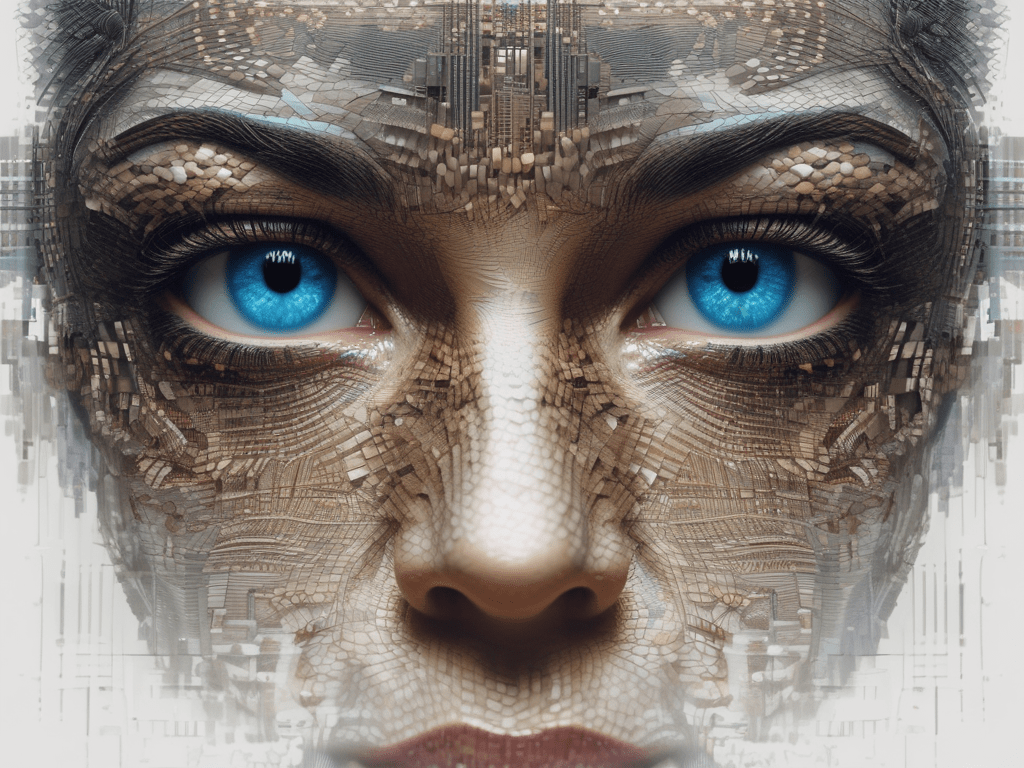
Machine learning (ML) is a subset of artificial intelligence (AI) that involves training algorithms to learn from data and make predictions or generate content. In the realm of creative coding, ML is transforming how artists, designers, and developers create and interact with digital art. This blog will explore the role of machine learning in creative coding, its applications, popular tools and frameworks, and how to get started with integrating ML into your creative projects.
What is Machine Learning?
Machine learning involves training algorithms on large datasets to recognize patterns and make decisions or generate outputs based on new data. It enables systems to learn and improve from experience without being explicitly programmed for specific tasks.
Types of Machine Learning
- Supervised Learning: Algorithms learn from labeled data to make predictions or classify new data.
- Unsupervised Learning: Algorithms identify patterns and relationships in unlabeled data.
- Reinforcement Learning: Algorithms learn by interacting with an environment and receiving feedback through rewards or penalties.
Applications of Machine Learning in Creative Coding
Machine learning offers numerous possibilities for enhancing creativity and interactivity in digital art, music, design, and more.
Generative Art
ML algorithms can generate new artworks by learning from existing datasets. Generative adversarial networks (GANs) are particularly popular for creating realistic and unique images.
GANs consist of two neural networks, a generator and a discriminator, that work together to create and evaluate new images. The generator creates images, while the discriminator evaluates their authenticity. Over time, the generator improves its ability to produce realistic images.
Style Transfer
Style transfer involves using neural networks to apply the style of one image to another, creating unique and visually striking artworks.
Neural style transfer uses convolutional neural networks (CNNs) to blend the content of one image with the style of another, creating a new image that retains the content but adopts the stylistic elements of the second image.
Interactive Installations
Machine learning can be used to create interactive installations that respond to user inputs in real-time, such as gesture recognition or sound analysis.
Using ML models for gesture recognition, an interactive installation can change visuals or sounds based on the movements and gestures of the audience, creating a dynamic and immersive experience.
Music Generation
ML algorithms can compose music by learning from large datasets of musical compositions. These algorithms can generate melodies, harmonies, and rhythms that mimic human creativity.
AI tools like OpenAI’s MuseNet and AIVA (Artificial Intelligence Virtual Artist) can compose music in various styles and genres, providing musicians with new sources of inspiration and creativity.
Popular Tools and Frameworks for Machine Learning in Creative Coding
Several tools and frameworks make it easier to integrate machine learning into creative coding projects.
TensorFlow.js
TensorFlow.js is a JavaScript library for training and deploying machine learning models in the browser. It is ideal for integrating ML into web-based creative projects.
const model = await tf.loadLayersModel('path/to/model.json');

const predictions = model.predict(tf.tensor2d([inputData]));
This code loads a pre-trained model and uses it to make predictions based on input data.
ml5.js
ml5.js is a user-friendly machine learning library built on top of TensorFlow.js, designed specifically for creative coding. It provides easy-to-use functions for common ML tasks.
let classifier;

function preload() {

 classifier = ml5.imageClassifier('MobileNet');

}

function setup() {

 createCanvas(400, 400);

 let img = createImg('path/to/image.jpg', imageReady);

 img.hide();

}

function imageReady() {

 classifier.classify(img, gotResult);

}

function gotResult(error, results) {

 if (error) {

 console.error(error);

 return;

 }

 console.log(results);

}
This code uses ml5.js to classify an image using a pre-trained MobileNet model.
RunwayML
RunwayML is a platform that provides access to various machine learning models for creative projects. It offers an easy-to-use interface and integrates with creative coding tools like p5.js and Processing.
RunwayML allows you to connect to models via a local server, making it easy to use ML models in your creative projects. Follow the RunwayML documentation for specific examples and usage instructions.
Getting Started with Machine Learning in Creative Coding
Integrating machine learning into your creative coding projects can be an exciting and rewarding experience. Here are some steps to help you get started:
Learn the Basics
Familiarize yourself with the fundamental concepts of machine learning, such as neural networks, training, and inference. Online tutorials and courses can provide a solid foundation.
Choose Your Tools
Select the tools and frameworks that best suit your needs and preferences. TensorFlow.js, ml5.js, and RunwayML are excellent starting points for creative coding projects.
Experiment with Simple Projects
Start with simple projects to understand how machine learning can enhance your creative work. Experiment with image classification, style transfer, or music generation.
Example: Simple Image Classification with ml5.js
let classifier;

let video;

function setup() {

 createCanvas(640, 480);

 video = createCapture(VIDEO);

 video.hide();

 classifier = ml5.imageClassifier('MobileNet', video, modelReady);

}

function modelReady() {

 console.log('Model Loaded!');

 classifyVideo();

}

function classifyVideo() {

 classifier.classify(gotResult);

}

function gotResult(error, results) {

 if (error) {

 console.error(error);

 return;

 }

 console.log(results);

 classifyVideo();

}

function draw() {

 image(video, 0, 0);

}
This code uses ml5.js to classify real-time video from a webcam.
Collaborate and Share
Join online communities and forums to share your work, seek feedback, and collaborate with other creative coders. Learning from others’ experiences and insights can accelerate your progress.
Machine learning is a powerful tool for creative coding, enabling artists, designers, and developers to create innovative and interactive digital art. By understanding the basics, exploring different tools and frameworks, and experimenting with simple projects, you can integrate machine learning into your creative process and unlock new possibilities. Whether you are generating art, composing music, or creating interactive installations, machine learning offers a transformative approach to creative coding.
TL;DR for Each Section
- Introduction: Machine learning (ML) enhances creative coding by enabling the creation of innovative and interactive digital art through data-driven algorithms.
- What is Machine Learning?: ML involves training algorithms on data to recognize patterns and generate outputs, including supervised, unsupervised, and reinforcement learning.
- Applications of Machine Learning in Creative Coding: ML can be used for generative art, style transfer, interactive installations, and music generation.
- Popular Tools and Frameworks for Machine Learning in Creative Coding: Key tools include TensorFlow.js, ml5.js, and RunwayML.
- Getting Started with Machine Learning in Creative Coding: Learn the basics, choose the right tools, experiment with simple projects, and collaborate with others.
- Conclusion: ML offers a transformative approach to creative coding, enabling innovative and interactive digital art through various applications and tools.
FAQs
What is machine learning in creative coding?
- Machine learning in creative coding involves using ML algorithms to enhance and create digital art, music, and interactive applications.
How does machine learning generate art?
- ML algorithms like GANs learn from existing datasets to generate new, unique artworks by recognizing and replicating patterns.
What is style transfer?
- Style transfer uses neural networks to apply the style of one image to another, blending content and style to create unique artworks.
How can ML be used in interactive installations?
- ML models can recognize gestures, analyze sounds, and respond to user inputs in real-time, creating dynamic and immersive experiences.
What tools are popular for ML in creative coding?
- Popular tools include TensorFlow.js, ml5.js, and RunwayML, each offering unique features for integrating ML into creative projects.
What is TensorFlow.js?
- TensorFlow.js is a JavaScript library for training and deploying ML models in the browser, ideal for web-based creative projects.
How does ml5.js differ from TensorFlow.js?
- ml5.js is built on top of TensorFlow.js, providing a more user-friendly interface specifically designed for creative coding.
What is RunwayML?
- RunwayML is a platform that provides access to various ML models for creative projects, with easy integration into tools like p5.js and Processing.
How do you start with machine learning in creative coding?
- Learn the basics of ML, choose appropriate tools, experiment with simple projects, and collaborate with other creative coders.
Can ML compose music?
- Yes, ML algorithms can compose music by learning from datasets of musical compositions, generating melodies, harmonies, and rhythms.
What is a generative adversarial network (GAN)?
- A GAN consists of two neural networks, a generator and a discriminator, that work together to create and evaluate new images, improving their realism over time.
What is neural style transfer?
- Neural style transfer blends the content of one image with the style of another using convolutional neural networks, creating a unique visual output.
What is supervised learning?
- Supervised learning involves training algorithms on labeled data to make predictions or classify new data.
What is unsupervised learning?
- Unsupervised learning identifies patterns and relationships in unlabeled data, often used for clustering and dimensionality reduction.
What is reinforcement learning?
- Reinforcement learning involves algorithms learning by interacting with an environment and receiving feedback through rewards or penalties.
How do you use TensorFlow.js in a project?
- Include the TensorFlow.js library in your project, load a pre-trained model, and use it to make predictions or generate outputs.
What are some creative coding communities?
- Online forums, social media groups, and websites like Processing Foundation and Creative Applications Network are popular communities for creative coders.
How does ML enhance interactivity in art?
- ML models can analyze and respond to user inputs, such as gestures or sounds, creating dynamic and interactive art experiences.
Can ML be used for real-time applications?
- Yes, ML models can be used for real-time applications, such as video classification and interactive installations, by processing data and generating responses quickly.
Where can you learn more about ML in creative coding?
- Explore online tutorials, courses, and documentation from platforms like TensorFlow.js, ml5.js, and RunwayML for resources and examples.
Bibliography
- Goodfellow, Ian, Bengio, Yoshua, and Courville, Aaron. “Deep Learning”.
- Chollet, François. “Deep Learning with Python”.
- TensorFlow.js Official Website.
- ml5.js Official Website.
- RunwayML Official Website.
 Visual Alchemist