Introduction
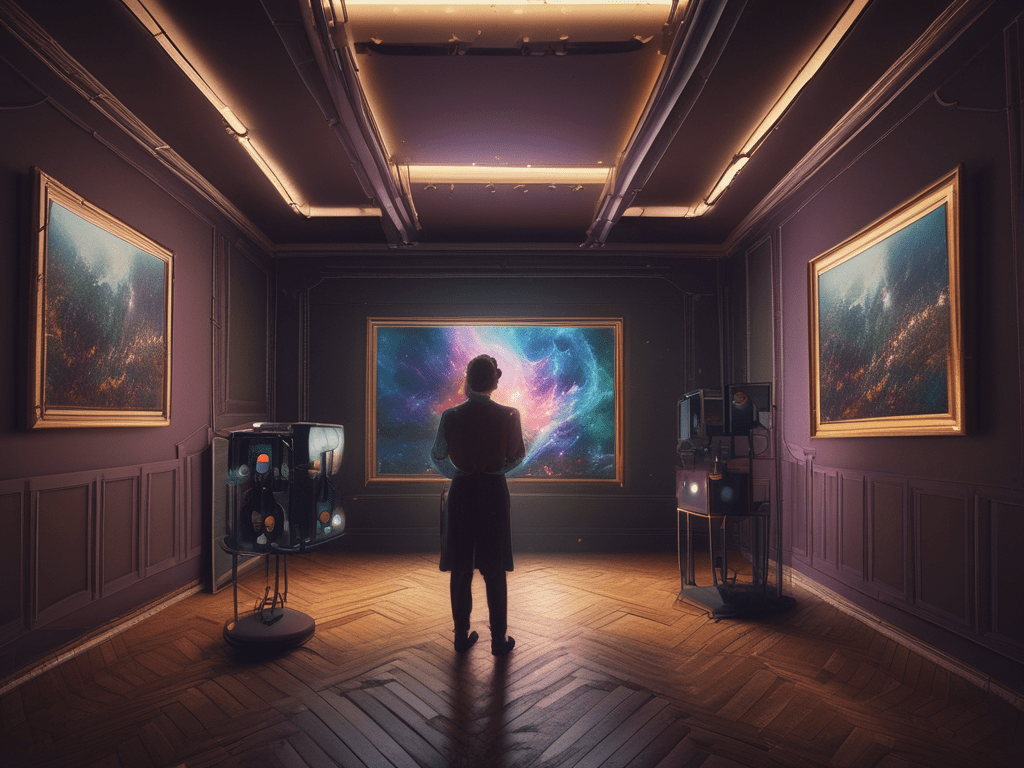
Virtual Reality (VR) is reshaping the landscape of modern art, providing artists with new tools and platforms to create immersive and interactive experiences. By leveraging VR technology, artists can transport viewers into entirely new worlds, offering unique perspectives and engagement that traditional media cannot achieve. This blog will explore the impact of VR in modern art, covering its benefits, notable projects, key tools and techniques, and practical steps for artists to get started with VR.
The Benefits of VR in Modern Art
VR technology offers several advantages for modern artists, enhancing creativity, engagement, and accessibility.
Immersive Experiences
VR allows artists to create fully immersive environments that engage multiple senses, offering viewers a more profound and interactive experience. This level of immersion can evoke stronger emotional responses and provide deeper connections to the artwork.
New Creative Possibilities
VR expands the boundaries of traditional art forms, enabling artists to experiment with 3D space, interactivity, and real-time manipulation. Artists can create dynamic and evolving pieces that change based on viewer interaction or other factors.
Accessibility
VR can make art more accessible to a broader audience. Virtual galleries and exhibitions can be visited from anywhere in the world, breaking down geographical barriers and democratizing access to art.
Notable VR Art Projects
Several pioneering projects demonstrate the transformative potential of VR in modern art, showcasing innovative uses of the technology.
“Tree” by Milica Zec and Winslow Porter
“Tree” is an immersive VR experience that allows participants to experience the life cycle of a tree from seed to full growth and eventually destruction. This project combines environmental activism with immersive storytelling, creating a powerful and emotional experience.
Key Features:
- Environmental storytelling
- Immersive and interactive experience
- Emotional engagement with nature
“The Night Cafe” by Mac Cauley
“The Night Cafe” is a VR experience that allows users to step inside Vincent van Gogh’s famous painting. The project recreates the painting in 3D, allowing viewers to explore the scene and interact with the environment.
Key Features:
- Reinterpretation of a classic painting
- Interactive exploration
- Combination of art history and modern technology
“Tilt Brush” by Google
“Tilt Brush” is a VR painting application that enables artists to paint in 3D space. Users can create intricate and immersive artworks using a wide range of brushes and effects. The app has been used by numerous artists to create stunning VR art pieces.
Key Features:
- 3D painting in virtual space
- Wide range of tools and effects
- Popular among VR artists
Key Tools and Techniques for VR Art
Several tools and techniques can help artists create VR art, ranging from software applications to hardware devices.
VR Hardware
To create and experience VR art, artists need VR hardware, including headsets, controllers, and sensors. Popular VR headsets include:
- Oculus Rift/Quest: Known for its high-quality visuals and user-friendly interface.
- HTC Vive: Offers precise motion tracking and a wide field of view.
- PlayStation VR: Accessible option for users with PlayStation consoles.
VR Art Software
Several software applications enable artists to create VR art, each offering unique features and capabilities.
- Tilt Brush: Allows for intuitive 3D painting with a wide range of brushes and effects.
- Medium by Adobe: A VR sculpting tool that enables artists to create detailed 3D models and sculptures.
- Quill by Facebook: A VR illustration and animation tool designed for creating detailed 3D drawings and animations.
Techniques for Creating VR Art
Creating VR art involves several techniques to leverage the full potential of the medium.
- 3D Modeling: Use VR sculpting and modeling tools to create detailed 3D objects and environments.
- Interactive Elements: Incorporate interactivity into your VR art by using sensors and controllers to respond to viewer inputs.
- Sound Design: Enhance the immersive experience by adding spatial audio that changes based on the viewer’s position and actions.
Practical Steps for Artists to Get Started with VR
For artists looking to explore VR, here are practical steps to help you get started.
Invest in VR Hardware
Choose a VR headset that fits your needs and budget. Ensure that your computer meets the hardware requirements for VR development.
Learn the Basics of VR Art Software
Start with user-friendly software like Tilt Brush or Medium. Explore tutorials and online resources to learn the basics and get comfortable with the tools.
Experiment and Create
Begin with simple projects to experiment with different techniques and tools. As you gain confidence, move on to more complex and ambitious projects.
Example: Creating a Simple VR Sculpture in Medium
- Open Medium by Adobe: Launch the application and select a new sculpting project.
- Use Basic Shapes: Start by using basic shapes to form the foundation of your sculpture.
- Add Details: Use various tools to add details, textures, and colors to your sculpture.
- Save and Export: Save your project and export it to view in other VR platforms or share with others.
Share Your Work
Share your VR art with the community through online platforms, virtual galleries, and social media. Engage with other VR artists to gather feedback and learn from their experiences.
Conclusion
VR technology is transforming modern art by providing artists with new tools and platforms to create immersive and interactive experiences. By leveraging VR hardware and software, artists can explore new creative possibilities, engage viewers on a deeper level, and make art more accessible to a global audience. Whether you are an established artist or a newcomer, VR offers a dynamic and exciting medium for artistic expression.
TL;DR for Each Section
- Introduction: VR is reshaping modern art by providing immersive and interactive experiences.
- The Benefits of VR in Modern Art: Includes immersive experiences, new creative possibilities, and increased accessibility.
- Notable VR Art Projects: Examples include “Tree,” “The Night Cafe,” and “Tilt Brush.”
- Key Tools and Techniques for VR Art: Tools include VR hardware (headsets) and software (Tilt Brush, Medium, Quill); techniques involve 3D modeling, interactivity, and sound design.
- Practical Steps for Artists to Get Started with VR: Invest in VR hardware, learn VR art software, experiment with projects, and share your work with the community.
- Conclusion: VR offers new opportunities for artistic expression, making art more immersive, interactive, and accessible.
FAQs
What is VR in modern art?
- VR in modern art refers to using virtual reality technology to create immersive and interactive art experiences.
How does VR enhance artistic experiences?
- VR enhances artistic experiences by providing a fully immersive environment that engages multiple senses and allows for interactive exploration.
What are some popular VR art tools?
- Popular VR art tools include Tilt Brush, Medium by Adobe, and Quill by Facebook.
What is “Tree” by Milica Zec and Winslow Porter?
- “Tree” is a VR experience that allows participants to experience the life cycle of a tree, combining environmental activism with immersive storytelling.
How can artists get started with VR art?
- Artists can start by investing in VR hardware, learning VR art software, experimenting with projects, and sharing their work with the community.
What is Tilt Brush?
- Tilt Brush is a VR painting application that allows artists to paint in 3D space using a wide range of brushes and effects.
How does VR make art more accessible?
- VR makes art more accessible by enabling virtual galleries and exhibitions that can be visited from anywhere in the world.
What are the benefits of using VR in art?
- Benefits include creating immersive experiences, exploring new creative possibilities, and increasing accessibility to art.
What is “The Night Cafe” by Mac Cauley?
- “The Night Cafe” is a VR experience that allows users to step inside Vincent van Gogh’s famous painting and interact with the environment.
How can VR be used for interactive art?
- VR can be used for interactive art by incorporating sensors and controllers to respond to viewer inputs and create dynamic experiences.
What is Medium by Adobe?
- Medium by Adobe is a VR sculpting tool that enables artists to create detailed 3D models and sculptures.
What are some techniques for creating VR art?
- Techniques include 3D modeling, adding interactive elements, and incorporating sound design for a more immersive experience.
How do you create a VR sculpture in Medium?
- Start with basic shapes, add details using various tools, and export the finished sculpture for viewing in other VR platforms.
What is Quill by Facebook?
- Quill is a VR illustration and animation tool designed for creating detailed 3D drawings and animations.
How can VR be used for storytelling in art?
- VR can be used for storytelling by creating immersive environments that allow viewers to explore narratives interactively.
What are some challenges of VR in art?
- Challenges include the cost of hardware, the learning curve of VR software, and the need for powerful computers to run VR applications.
How can artists share their VR art?
- Artists can share their VR art through online platforms, virtual galleries, social media, and VR art communities.
What is the future potential of VR in art?
- The future potential includes more advanced interactive experiences, broader accessibility, and new forms of artistic expression.
How does VR art differ from traditional art?
- VR art differs by offering immersive, interactive experiences that engage multiple senses and allow for real-time manipulation.
Where can you learn more about VR art?
- Explore online tutorials, courses, and communities dedicated to VR art, as well as platforms like Tilt Brush, Medium, and Quill.
Bibliography
- Manovich, Lev. “The Language of New Media”.
- Lanier, Jaron. “Dawn of the New Everything: Encounters with Reality and Virtual Reality”.
- Tilt Brush Official Website.
- Medium by Adobe Official Website.
- Quill by Facebook Official Website.
 Visual Alchemist
2 responses to “VR Art Tools and Techniques: Hardware, Software, 3D Modeling, Interactivity, and Sound Design”
[…] reality (AR) will allow for even more interactive and participatory forms of generative art. VR Art Tools and Techniques offers insight into how artists are beginning to experiment with these mediums, creating 3D […]
LikeLike
[…] For insights into how AR and VR are transforming art, consider reading VR Art Tools and Techniques: Hardware, Software, 3D Modeling, Interactivity, and Sound Design. […]
LikeLike