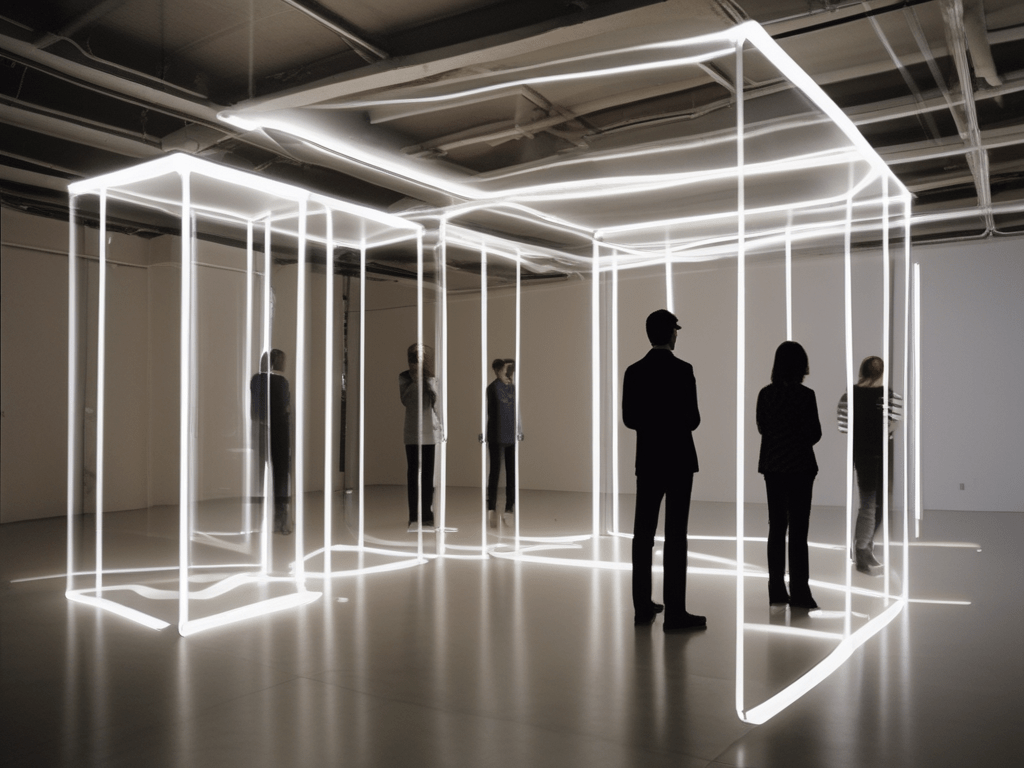
Interactive installations are immersive experiences that engage users through interaction with digital and physical elements. These installations have found applications in various fields, from art and education to marketing and entertainment. By merging technology with creativity, interactive installations offer a dynamic platform for expression and engagement.
TL;DR: Interactive installations are immersive experiences that engage users through digital and physical interactions, widely used in art, education, marketing, and entertainment.
Understanding Interactive Installations
Interactive installations expand a user’s experience by incorporating elements that respond to user input, such as motion, touch, or sound. This interactive aspect transforms passive observers into active participants, creating a more engaging and memorable experience.
Definition and Examples
Interactive installations are artworks or displays designed to respond to the presence or actions of visitors. They often use sensors, cameras, and other input devices to detect user interactions and modify the output accordingly. For example, an installation might change its visual display based on the viewer’s movement or produce soundscapes that evolve with touch.
Expanding User Experience
By allowing users to influence the outcome, interactive installations create a sense of agency and personalization. This can lead to deeper emotional connections and a more immersive experience, as users see their actions directly affect the installation.
Platform for Collaboration
Interactive installations also serve as platforms for sharing ideas, learning new techniques, and collaborating on projects. Artists and technologists often work together to push the boundaries of what is possible, exploring new ways to engage and inspire audiences.
An example of using interactive installations to improve creative processes is by optimizing genetic operators like crossover and mutation. This approach can help artists explore new forms and patterns, enhancing their creative output.
TL;DR: Interactive installations transform passive observers into active participants by responding to user inputs, enhancing engagement, and fostering collaboration.
Creating Interactive Installations
Creating interactive installations involves combining various technologies and artistic elements to build immersive, responsive environments. This section will cover the basics of designing and implementing interactive installations.
Introduction to Interactive Systems
Interactive systems are the backbone of any interactive installation. These systems include hardware like sensors and input devices, as well as software for processing input data and generating responses.
A simple yet effective interactive system is a particle system that responds to user input, such as creating bursts of particles at the mouse position. This type of interaction can be implemented using programming environments like Processing or p5.js.
Using ArrayList and PVector
In coding interactive installations, data structures like ArrayLists and PVectors (in Processing) are often used to manage and manipulate collections of particles or other elements. These structures allow for efficient updates and interactions, making the installation responsive and dynamic.
TL;DR: Creating interactive installations involves combining hardware and software to build responsive environments, using techniques like particle systems and data structures for managing interactions.
Using APIs to Incorporate External Data
APIs (Application Programming Interfaces) allow interactive installations to incorporate external data, adding another layer of interactivity and engagement. This section explores how to use APIs to enhance interactive installations.
Introduction to APIs
APIs enable the integration of external data sources into interactive installations. This can include live data feeds, social media content, or environmental data, allowing the installation to respond to real-time information.
Steps to Integrate an API
- Select an API: Choose an API that provides relevant data for your installation.
- Access API Data: Use HTTP requests to fetch data from the API.
- Process Data: Parse and process the data to extract useful information.
- Incorporate Data: Use the processed data to influence the behavior or output of the installation.
An example of using an API in an interactive installation is integrating weather data to change the visual or auditory elements based on real-time weather conditions. This could involve using the OpenWeatherMap API to fetch current weather data and adjusting the installation accordingly.
TL;DR: APIs allow interactive installations to incorporate real-time external data, enhancing engagement by integrating live information into the experience.
Interactive installations represent a powerful medium for engaging audiences through immersive and responsive experiences. By combining artistic creativity with technological innovation, these installations create dynamic environments that captivate and inspire.
TL;DR: Interactive installations merge creativity and technology to create immersive and responsive experiences, offering endless possibilities for engagement and innovation.
FAQ
What is an interactive installation?
- An interactive installation is an artwork or display that responds to user interactions, creating an immersive experience.
How do interactive installations work?
- They use sensors, cameras, and other input devices to detect user interactions and modify the output accordingly.
What technologies are used in interactive installations?
- Technologies include sensors, cameras, microcontrollers, software platforms like Processing or p5.js, and APIs for external data integration.
What are some examples of interactive installations?
- Examples include particle systems responding to mouse movements, installations that change based on weather data, and artworks that react to sound.
Can I create an interactive installation with no coding experience?
- While coding knowledge is beneficial, there are many tools and platforms that make it easier for beginners to create interactive installations.
What is the role of APIs in interactive installations?
- APIs allow installations to incorporate real-time external data, enhancing the interactive experience.
How can interactive installations be used in education?
- They can create engaging, hands-on learning experiences that respond to student input and provide immediate feedback.
What are some common sensors used in interactive installations?
- Common sensors include motion detectors, touch sensors, microphones, and cameras.
How do interactive installations enhance user engagement?
- By allowing users to interact and influence the outcome, these installations create a personalized and immersive experience.
What is the future of interactive installations?
- The future includes more sophisticated interactions, integration with AI and machine learning, and greater use of real-time data.
Bibliography
- “Understanding Interactive Installations”
- “How to Create Interactive Art with Processing”
- “Using APIs in Interactive Installations”
- “Weather API Integration”
 Visual Alchemist
3 responses to “Engaging Audiences with Interactive Installations: Art, Education, Marketing, and Entertainment”
[…] in the increasing use of technology to create immersive and interactive experiences. For example, Engaging Audiences with Interactive Installations: Art, Education, Marketing, and Entertainment explores how interactive installations leverage technology to create engaging and memorable […]
LikeLike
[…] practical examples of engaging audiences, the article Engaging Audiences with Interactive Installations: Art, Education, Marketing, and Entertainment provides insights into how interactive elements can enhance user […]
LikeLike
[…] Discover how interactive art installations are transforming audience engagement in Engaging Audiences with Interactive Installations: Art, Education, Marketing, and Entertainment. […]
LikeLike