“Art is the lie that enables us to realize the truth”
– Pablo Picasso, capturing the paradoxical nature of artistic expression
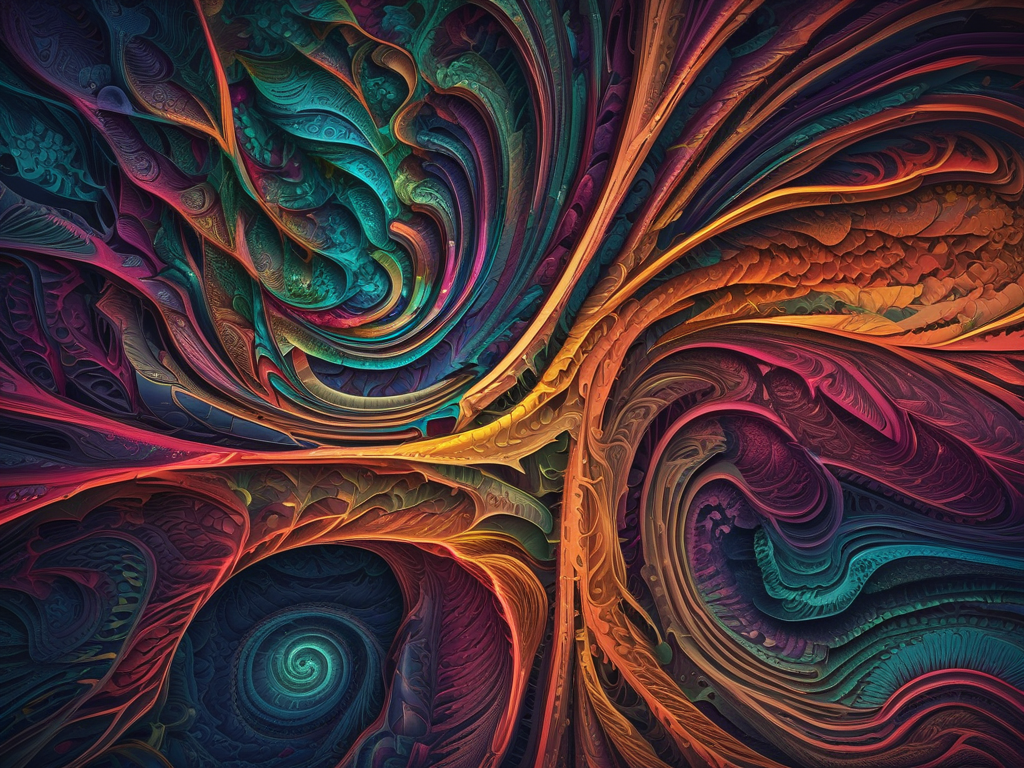
Generative art, with its roots in algorithms and systems, embodies this paradox by creating order out of chaos, and vice versa. It challenges our perceptions, breaks conventions, and pushes the boundaries of what art can be.
In my exploration of generative art, I have come to appreciate its profound impact on contemporary art and culture. Generative art has not only revolutionized the way we create and experience art but has also influenced various aspects of our cultural landscape, from design and architecture to music and entertainment.
Redefining Artistic Creation
Generative art fundamentally redefines the process of artistic creation. Traditional art forms often rely on the direct manipulation of materials by the artist. In contrast, generative art involves the creation of systems—algorithms, rules, or procedures—that generate the final artwork. This shift in the creative process challenges conventional notions of authorship and originality.
Artists like Tyler Hobbs and Joshua Davis have pioneered this approach. Their work demonstrates how code can be used as a medium for artistic expression, enabling the creation of complex, dynamic, and interactive works that evolve over time. Tyler Hobbs, for instance, uses algorithms to generate intricate and colorful abstract patterns, while Joshua Davis incorporates generative processes to create vibrant and evolving visual compositions.
Influencing Contemporary Design
The principles of generative art have significantly influenced contemporary design. In fields such as graphic design, product design, and fashion, generative techniques allow designers to create intricate patterns, optimize forms, and produce unique variations. This approach fosters innovation and allows for a high degree of customization.
For example, the fashion designer Iris van Herpen uses generative design to create avant-garde clothing that blends technology with traditional craftsmanship. Her designs often feature complex, organic patterns that are generated through computational processes, resulting in pieces that are both futuristic and intricately detailed.
Transforming Architecture
Generative design has also revolutionized architecture. By leveraging algorithms and computational methods, architects can create buildings and structures that are both aesthetically pleasing and functionally optimized. Generative techniques enable the exploration of forms and structures inspired by natural processes, leading to innovative and sustainable designs.
Architects like Michael Hansmeyer have used generative design to create intricate architectural elements that push the boundaries of conventional architecture. Hansmeyer’s work, such as his “Digital Grotesque” project, involves the use of algorithms to generate highly detailed and complex forms that are then fabricated using advanced manufacturing techniques.
Enhancing Music and Sound Art
Generative art has made a significant impact on music and sound art. By using algorithms to generate musical compositions, artists can create complex and evolving soundscapes that challenge traditional notions of composition and performance. Generative music often incorporates elements of randomness and unpredictability, creating a dynamic listening experience.
Composer and sound artist Holly Herndon uses generative techniques and AI to create music that blends human and machine elements. Her album “PROTO” features compositions that are co-created with an AI “ensemble,” resulting in music that is both innovative and deeply expressive.
Innovating in Film and Animation
In film and animation, generative techniques are used to create complex visual effects, simulate natural phenomena, and develop procedurally generated content. These methods enable filmmakers and animators to produce highly detailed and realistic visuals that enhance the storytelling experience.
Films like “Blade Runner 2049” have utilized generative techniques to create futuristic cityscapes and environments. The film’s visual effects team used algorithms to generate the intricate details of the city’s architecture, resulting in a visually rich and immersive world that enhances the narrative.
Shaping Digital and Interactive Media
Generative art plays a crucial role in the development of digital and interactive media. By incorporating algorithms and real-time data, generative techniques enable the creation of dynamic and responsive artworks that engage audiences in new and meaningful ways.
Interactive installations like those by Random International, such as “Rain Room,” use generative processes to create immersive environments that respond to viewer movements. These installations transform the way we experience art, making it more interactive and participatory.
Exploring New Frontiers with AI and Machine Learning
The integration of artificial intelligence (AI) and machine learning with generative art is opening new frontiers for creative expression. AI algorithms, such as generative adversarial networks (GANs), can learn from large datasets to generate new and unique artworks, pushing the boundaries of what is possible in art.
Artist Sougwen Chung uses AI and machine learning to create collaborative artworks with robotic arms. Her project “Drawing Operations” explores the relationship between human and machine creativity, resulting in works that blend the intuitive gestures of a human artist with the precision of a robot.
Addressing Societal and Cultural Issues
Generative art also has the potential to address societal and cultural issues by providing new perspectives and fostering critical reflection. Artists can use generative techniques to explore themes such as identity, diversity, and social justice, creating works that provoke thought and inspire change.
For example, the project “Generation of Diversity” by designer Luciana Diniz uses generative algorithms to create diverse and inclusive representations of human faces. This project challenges societal norms and promotes the value of diversity through the lens of generative art.
Fostering Collaboration and Community
The collaborative nature of generative art fosters a sense of community among artists, designers, and technologists. Online platforms, workshops, and hackathons provide opportunities for individuals to share their knowledge, collaborate on projects, and inspire each other.
Communities such as CreativeApplications.Net and the Processing Foundation bring together artists and developers to advance the field of generative art. These communities provide resources, support, and a platform for sharing work, contributing to the growth and evolution of generative art.
Engaging Audiences in New Ways
Generative art engages audiences in new and interactive ways, creating experiences that are dynamic, participatory, and immersive. By incorporating elements of randomness and real-time interaction, generative works invite viewers to become active participants in the creation process.
Interactive installations, generative music apps, and virtual reality experiences are just a few examples of how generative art engages audiences. These experiences create a sense of wonder and discovery, making art more accessible and engaging for a wide range of audiences.
The impact of generative art on contemporary art and culture is profound and far-reaching. By redefining artistic creation, influencing design and architecture, enhancing music and film, and shaping digital and interactive media, generative art is transforming the way we create, experience, and understand art.
As generative art continues to evolve, it will undoubtedly play an increasingly important role in addressing societal and cultural issues, fostering collaboration and community, and engaging audiences in new and meaningful ways. The future of generative art is bright, promising to push the boundaries of creativity and innovation even further.
 Visual Alchemist
4 responses to “Generative Art: Impact on Music, Film, and Interactive Media”
[…] For a detailed exploration of how generative art interacts with different media, explore Generative Art Across Mediums. […]
LikeLike
[…] Generative AI systems like CoFRIDA could serve as platforms for interactive exhibitions, collaborative workshops, and educational programs, democratizing access to art and encouraging more people to engage in creative activities. They could also provide tools for professional artists to experiment with new styles and techniques, thereby enriching the cultural landscape. To see how generative art is influencing other creative fields, check out our article on Generative Art’s Impact on Music, Film, and Interactive Media. […]
LikeLike
[…] giving you even greater control over your final artistic vision. To further enhance your workflow, understanding the impact of generative art on music, film, and interactive media can offer valuable insights into how these various art forms […]
LikeLike
[…] Additionally, the film and music industries are increasingly embracing generative art for interactive and real-time visuals during live performances. Artists such as Nonotak and Daito Manabe have pioneered installations that blend generative visuals with real-time soundscapes, creating truly immersive experiences. More on this can be found in Generative Art: Impact on Music, Film, and Interactive Media. […]
LikeLike