
“Every artist was first an amateur”
– Ralph Waldo Emerson, on the essence of the journey from curiosity to mastery.
In the world of generative art, this journey has been marked by the groundbreaking contributions of pioneering artists and technologists who dared to blend creativity with computation. As I delve into the lives and works of these pioneers, I am inspired by their innovative spirit and their profound impact on the art world.
Generative art, which leverages algorithms and systems to create artworks, owes much of its development to a handful of visionary individuals. This article explores the contributions of key pioneers in generative art, highlighting their groundbreaking works and the lasting influence they have had on the field.
Georg Nees
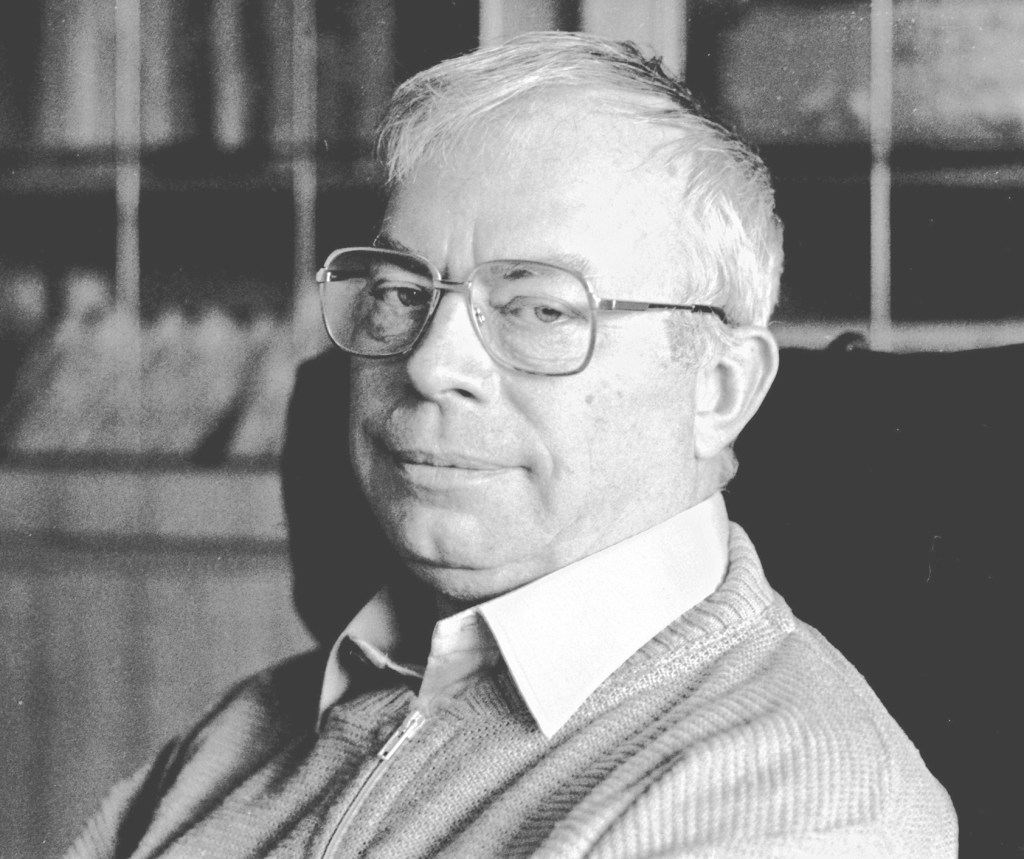
Georg Nees (1926-2016) was a German mathematician and artist, widely regarded as one of the fathers of computer art. He studied mathematics, physics, and philosophy, and later worked at Siemens as a computer scientist.
Key Works:
- “Schotter” (1968): One of Nees’s most famous works, “Schotter” (Gravel) features a grid of squares that progressively become more disordered. This piece illustrates the transition from order to chaos using an algorithmic approach.
- “Gruppe” (1965): Another notable work, “Gruppe” involves a series of geometric shapes arranged in complex patterns, generated by a computer program.
Georg Nees was among the first to use computers for artistic creation, demonstrating the aesthetic potential of algorithms and computational processes. His work laid the foundation for the field of generative art, inspiring future generations of artists to explore the creative possibilities of technology.
Frieder Nake
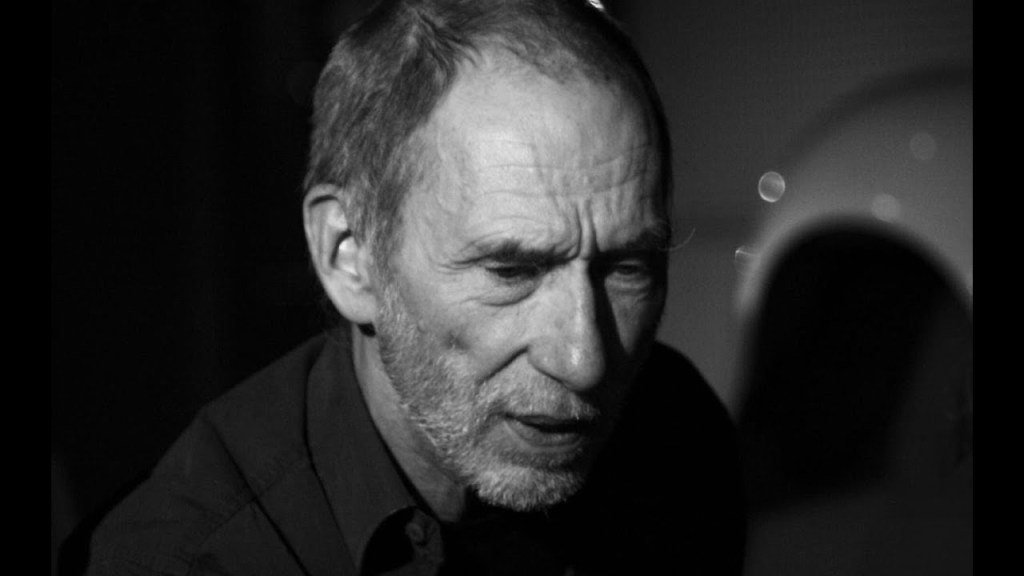
Frieder Nake (b. 1938) is a German mathematician, computer scientist, and artist. He is considered one of the early pioneers of computer-generated art, having created his first computer graphics in the mid-1960s.
Key Works:
- “Matrix Multiplication” (1965): This work involves the use of a matrix multiplication algorithm to generate intricate geometric patterns. The resulting compositions are visually striking and mathematically complex.
- “Walk-through-Raster” (1966): In this piece, Nake used random number generation to create a series of abstract images, showcasing the role of randomness in generative art.
Frieder Nake’s contributions to generative art are significant, as he was one of the first to explore the use of algorithms in artistic creation. His work has influenced both the art and science communities, highlighting the intersection of mathematical principles and aesthetic expression.
Vera Molnar
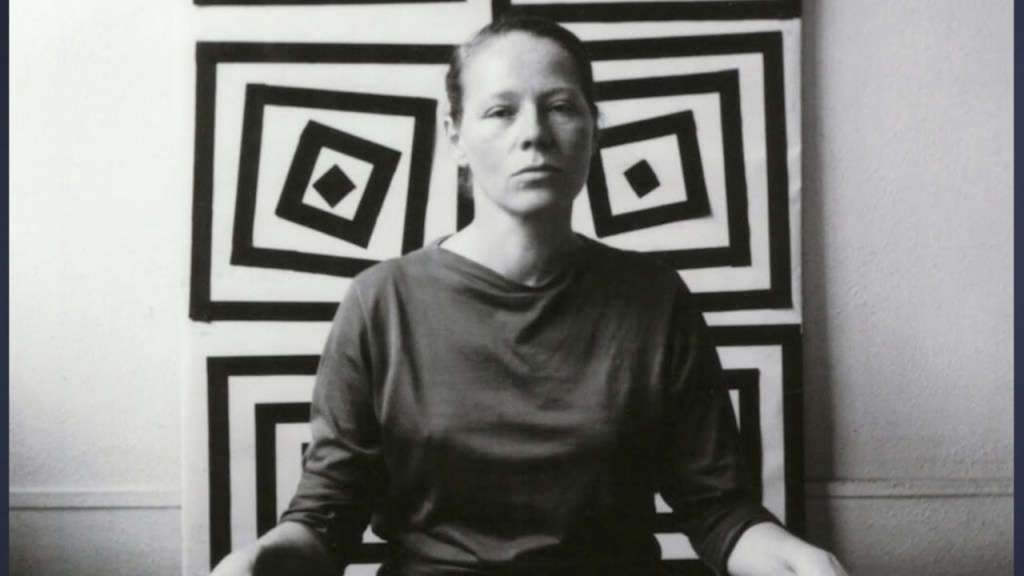
Vera Molnar (b. 1924) is a Hungarian-French artist known for her pioneering work in algorithmic and generative art. She studied art and aesthetics in Budapest before moving to Paris, where she became involved in the early computer art movement.
Key Works:
- “Transformations” (1974): Molnar’s “Transformations” series involves the systematic manipulation of geometric shapes using simple rules and algorithms. The resulting variations explore the interplay between order and randomness.
- “Desordres” (1974): This work features a grid of squares with slight variations in their arrangement, created using a plotter. It exemplifies Molnar’s interest in controlled randomness and structured variation.
Vera Molnar is celebrated for her meticulous approach to generative art and her innovative use of technology. Her work has paved the way for future artists to explore the creative potential of algorithms, making her a key figure in the history of generative art.
Harold Cohen
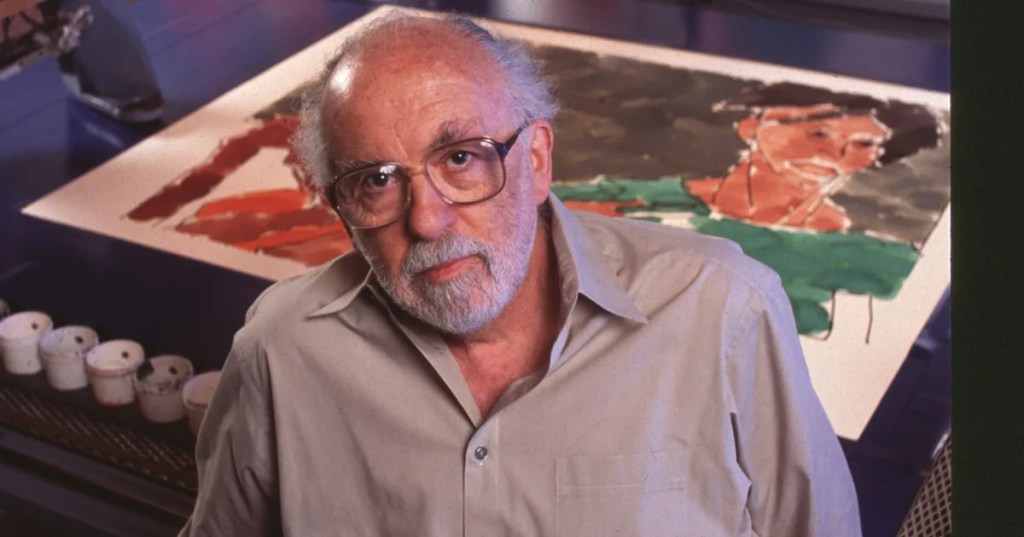
Harold Cohen (1928-2016) was a British artist and computer scientist who created “Aaron,” one of the first autonomous drawing programs. Cohen’s background in traditional painting influenced his approach to generative art.
Key Works:
- “Aaron” (1973): “Aaron” is an autonomous program designed to create artworks independently. It produces drawings that mimic human-like forms and natural elements, continuously evolving over the decades.
- “Untitled Computer Drawing” (1982): Created using “Aaron,” this work showcases the program’s ability to generate complex and aesthetically pleasing compositions.
Harold Cohen’s work with “Aaron” has had a profound impact on the field of generative art, exploring the boundaries of artificial intelligence and creativity. His contributions have sparked important discussions about the role of the artist and the potential for machines to produce art.
John Whitney
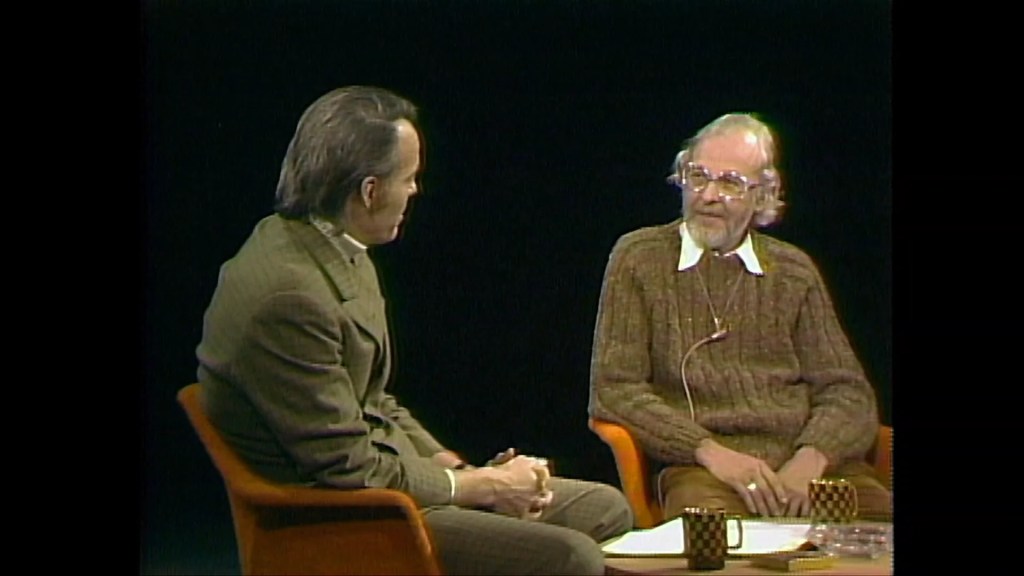
John Whitney (1917-1995) was an American animator and computer graphics pioneer. He is often regarded as one of the founders of computer animation, having developed some of the earliest computer-generated films.
Key Works:
- “Permutations” (1966): This experimental film uses generative techniques to produce mesmerizing visual patterns, synchronized with music. Whitney developed custom software to control the movement of geometric shapes, creating a dynamic and immersive experience.
- “Arabesque” (1975): Another notable work, “Arabesque” features complex, flowing patterns generated using mathematical algorithms and computer graphics techniques.
John Whitney’s work has had a lasting influence on both generative art and computer graphics. His innovative use of technology to create visual art laid the groundwork for future developments in digital media and animation.
Manfred Mohr
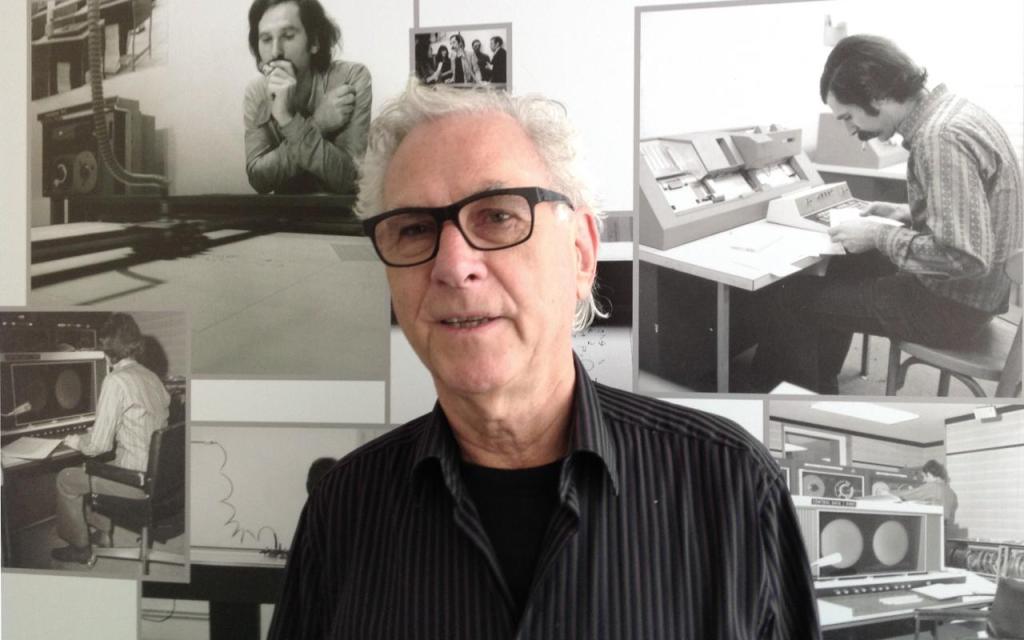
Manfred Mohr (b. 1938) is a German artist known for his contributions to algorithmic art. Originally a jazz musician, Mohr transitioned to visual art and began exploring the use of algorithms in the late 1960s.
Key Works:
- “P-196” (1969): This work involves the use of a hypercube, a four-dimensional geometric figure, to generate a series of black-and-white images. The algorithm manipulates the hypercube’s structure, producing intricate and abstract compositions.
- “Cubic Limit” (1973): In this series, Mohr used algorithms to explore the visual possibilities of a cube, creating a variety of geometric compositions.
Manfred Mohr’s work has demonstrated the creative potential of mathematical and computational processes. His exploration of geometric abstraction through algorithms has made significant contributions to the field of generative art.
Michael Noll
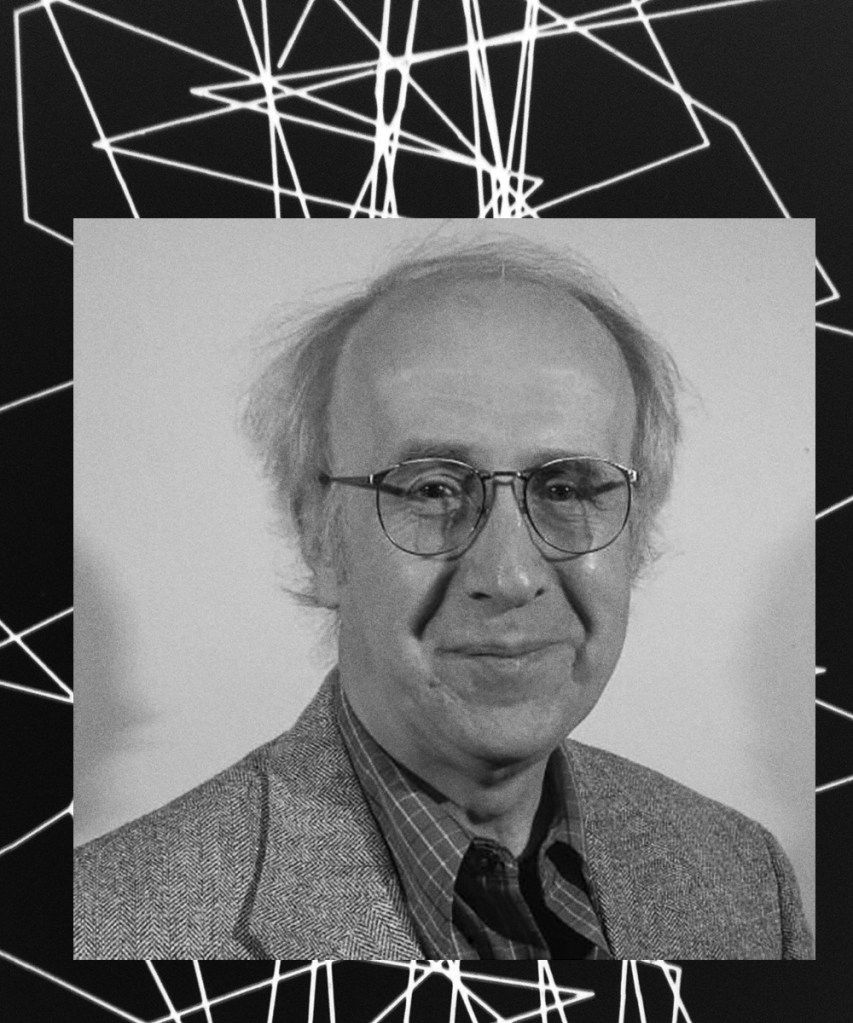
Michael Noll (b. 1939) is an American engineer and one of the earliest practitioners of computer-generated art. He worked at Bell Labs, where he explored the use of computers to create visual art.
Key Works:
- “Gaussian-Quadratic” (1963): One of the first examples of computer-generated art, “Gaussian-Quadratic” uses mathematical functions to create intricate, abstract patterns.
- “Computer Composition with Lines” (1964): This work involves the use of a computer program to generate a series of lines arranged in a complex, non-repetitive pattern.
Michael Noll’s pioneering efforts in computer-generated art have had a significant impact on the field, demonstrating the aesthetic potential of computational methods. His work at Bell Labs helped to establish the legitimacy of generative art as a serious artistic practice.
Charles Csuri
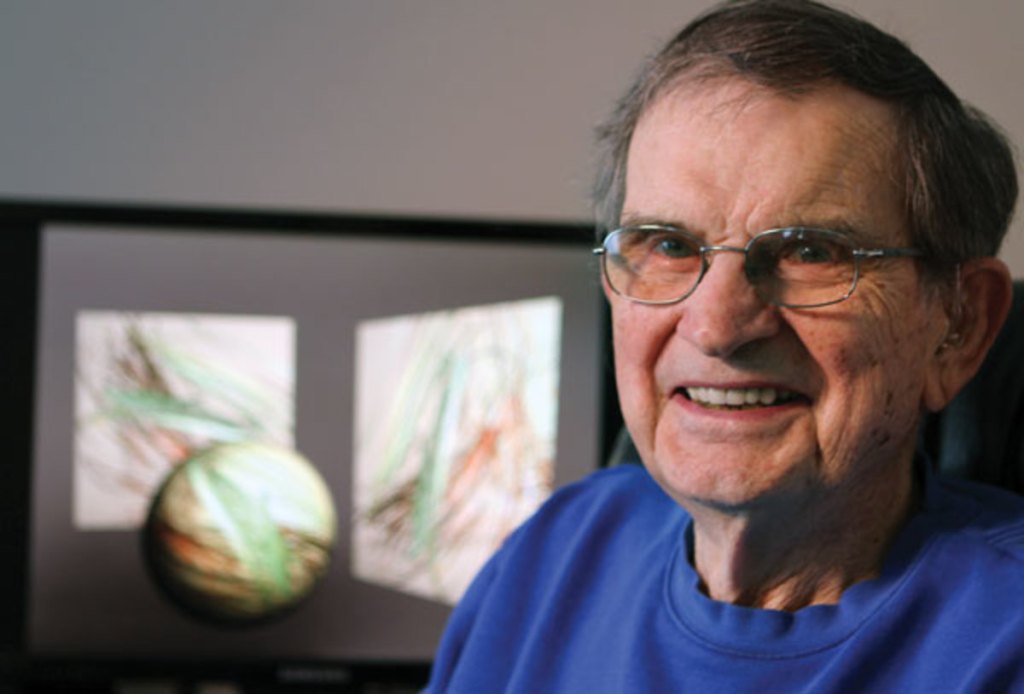
Charles Csuri (b. 1922) is an American artist and computer graphics pioneer, often referred to as the father of digital art. He has been a leading figure in the development of computer-generated art and animation.
Key Works:
- “Hummingbird” (1967): This animation, created using computer algorithms, depicts a bird in flight. Csuri’s work demonstrated the potential of digital technology to create fluid and realistic animations.
- “Sine Curve Man” (1967): In this piece, Csuri used mathematical functions to distort a human figure, creating a series of abstract, dynamic images.
Charles Csuri’s contributions to digital art and animation have been instrumental in shaping the field. His innovative use of technology has inspired countless artists and continues to influence the development of generative and digital art.
The pioneers of generative art have made significant contributions to the field, each bringing their unique perspectives and expertise to the intersection of art and technology. Their groundbreaking works have paved the way for future generations of artists to explore the creative potential of algorithms, computers, and systems. By understanding and appreciating the contributions of these pioneers, we can gain a deeper insight into the evolution of generative art and its enduring impact on the art world.
 Visual Alchemist
One response to “Pioneers of Generative Art”
[…] used the AI system AARON to create generative paintings. Cohen’s works, alongside those of other pioneers of generative art, illustrate the ways in which human creativity and AI can collaborate to produce compelling pieces. […]
LikeLike