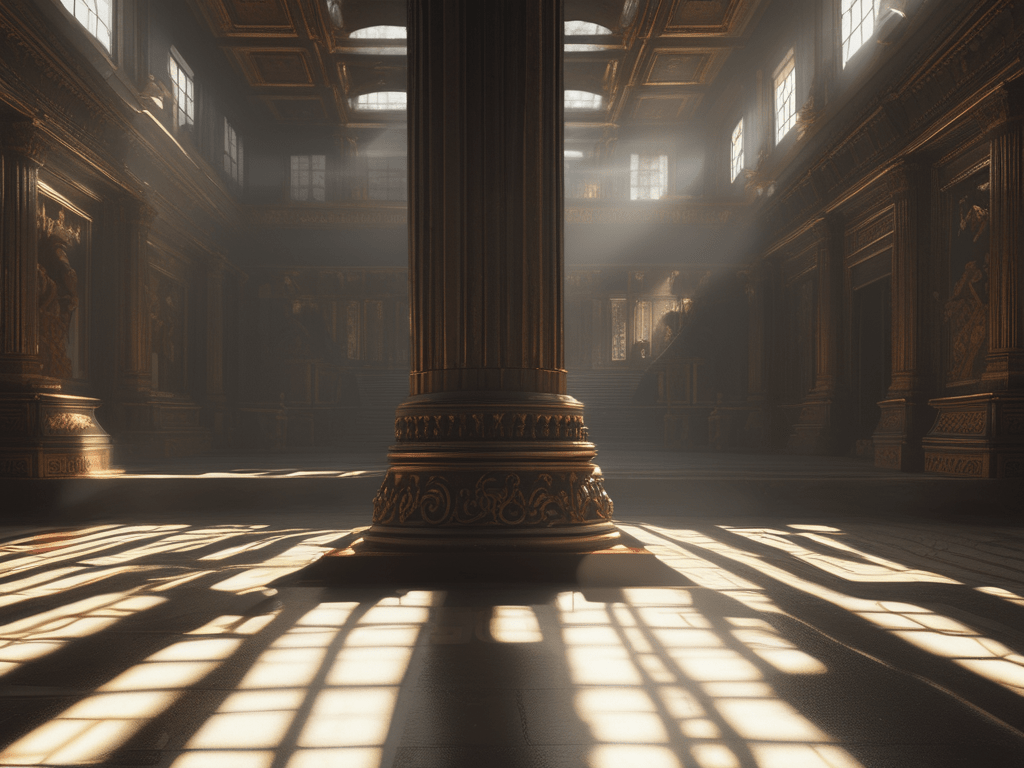
“Art is the only way to run away without leaving home”
– Twyla Tharp, capturing the escapist & transformative power of artistic expression.
Generative art, whether digital or analog, embodies this power by using systems and rules to create works that transcend traditional boundaries. As I explore the realms of digital and analog generative art, I am intrigued by their distinct methodologies and the unique experiences they offer.
Generative art can be created using both digital and analog methods, each with its own set of tools, processes, and aesthetics. This article delves into the differences and similarities between digital and analog generative art, highlighting the unique characteristics and contributions of each approach.
Defining Digital Generative Art
Digital generative art involves the use of computer algorithms, software, and digital tools to create artworks. Artists write code that defines a set of rules or processes, which the computer then executes to generate the final piece. This approach leverages the computational power and precision of digital technology.
Tools and Techniques:
- Programming Languages: Artists often use languages such as Processing, p5.js, and Python to write generative algorithms.
- Software: Tools like Adobe After Effects, TouchDesigner, and Blender are commonly used to create and manipulate digital generative artworks.
- Machine Learning: Techniques such as Generative Adversarial Networks (GANs) are employed to create sophisticated and complex generative art.
Examples:
- Casey Reas: Co-creator of Processing, Reas uses algorithms to generate intricate and dynamic visual compositions.
- Refik Anadol: Known for his large-scale data-driven installations, Anadol uses machine learning to transform data into immersive digital experiences.
Defining Analog Generative Art
Analog generative art involves the use of physical processes and systems to create artworks. This approach often relies on natural phenomena, mechanical systems, or manual interventions to generate patterns and forms. Analog generative art emphasizes the materiality and unpredictability of physical processes.
Tools and Techniques:
- Mechanical Systems: Devices such as spirographs, pendulums, and kinetic sculptures are used to create generative patterns.
- Natural Processes: Artists harness natural forces like gravity, wind, and erosion to shape their work.
- Manual Interventions: Techniques such as chance operations, rule-based drawing, and collage are employed to introduce generative elements into traditional art forms.
Examples:
- Sol LeWitt: A pioneer of conceptual art, LeWitt created wall drawings based on simple instructions and rules that others could execute.
- Bridget Riley: Known for her op art, Riley used precise, repetitive patterns to create optical effects and visual movement.
Comparing Digital and Analog Generative Art
Process and Execution:
- Digital: The process is highly precise and repeatable, with the computer executing the artist’s code exactly as written. This allows for the creation of highly complex and detailed works that would be difficult to achieve manually.
- Analog: The process is often more organic and unpredictable, with physical forces and materials introducing variability and chance. This can result in unique, one-of-a-kind pieces that emphasize the material qualities of the medium.
Control and Randomness:
- Digital: Artists have fine-grained control over the parameters and rules that govern the generative process. Randomness can be introduced programmatically, allowing for controlled experimentation and variation.
- Analog: Control is often more limited, with randomness arising naturally from the interaction of physical forces and materials. Artists must embrace the unpredictability and work with the inherent variability of the medium.
Aesthetics and Visual Impact:
- Digital: The aesthetics of digital generative art can range from highly detailed and intricate patterns to smooth, flowing forms. The precision and repeatability of digital processes allow for the creation of visually striking and complex compositions.
- Analog: The aesthetics of analog generative art often emphasize texture, materiality, and the interplay of natural forces. The visual impact can be more tactile and visceral, highlighting the physical qualities of the medium.
Interactivity and Engagement:
- Digital: Digital generative art can incorporate interactivity, allowing viewers to influence the artwork in real-time through sensors, inputs, or interfaces. This creates dynamic and participatory experiences.
- Analog: Interactivity in analog generative art is often more passive, with the viewer observing the natural processes or mechanical systems at work. However, some analog works invite direct interaction, such as kinetic sculptures that respond to touch or movement.
Case Studies
Digital Generative Art Case Study: “Unnumbered Sparks” by Aaron Koblin and Janet Echelman
“Unnumbered Sparks” is an interactive installation created by digital artist Aaron Koblin and sculptor Janet Echelman. The piece features a large, suspended net sculpture illuminated by dynamic projections that respond to viewers’ movements. Using smartphones, participants can interact with the installation, influencing the generative patterns projected onto the sculpture. This work exemplifies the power of digital technology to create immersive and interactive generative art experiences.
Analog Generative Art Case Study: “Pendulum Paintings” by Damien Hirst
Damien Hirst’s “Pendulum Paintings” are created using a swinging pendulum that drips paint onto a canvas below. The pendulum’s motion, influenced by gravity and momentum, generates intricate and unpredictable patterns. This analog generative technique highlights the physical forces at play and the materiality of the paint, creating unique and dynamic compositions that emphasize chance and natural processes.
The Interplay of Digital and Analog
While digital and analog generative art are distinct in their methods and materials, there is a rich interplay between the two approaches. Some artists combine digital and analog techniques to explore new creative possibilities, blending the precision of digital algorithms with the tactile qualities of physical processes.
Hybrid Approaches:
- Digital Fabrication: Artists use digital generative techniques to design patterns or structures, which are then realized through analog processes such as 3D printing, laser cutting, or CNC machining.
- Augmented Reality: Analog artworks can be augmented with digital layers, creating hybrid experiences that blend physical and virtual elements.
Examples:
- Joshua Davis: Known for his work in both digital and analog mediums, Davis often combines computer-generated designs with traditional printmaking techniques.
- Daniel Rozin: An artist who creates interactive installations that blend digital technology with physical materials, such as his “Wooden Mirror,” which uses motorized wooden tiles to reflect viewers’ movements.
Digital and analog generative art each offer unique approaches to creativity, leveraging different tools, processes, and aesthetics. While digital generative art excels in precision, complexity, and interactivity, analog generative art emphasizes materiality, chance, and the organic qualities of physical processes. By understanding and appreciating the differences and similarities between these approaches, we can gain a deeper insight into the diverse landscape of generative art and its potential for innovation and expression.
 Visual Alchemist
One response to “The Interplay of Digital and Analog Generative Art: Methods and Discoveries”
[…] instance, understanding the interplay of digital and analog generative art methods can provide further insights into how traditional artistic approaches integrate with modern AI […]
LikeLike