“Beauty is the promise of happiness”
– Stendhal, on the allure of art and its power to evoke emotions.
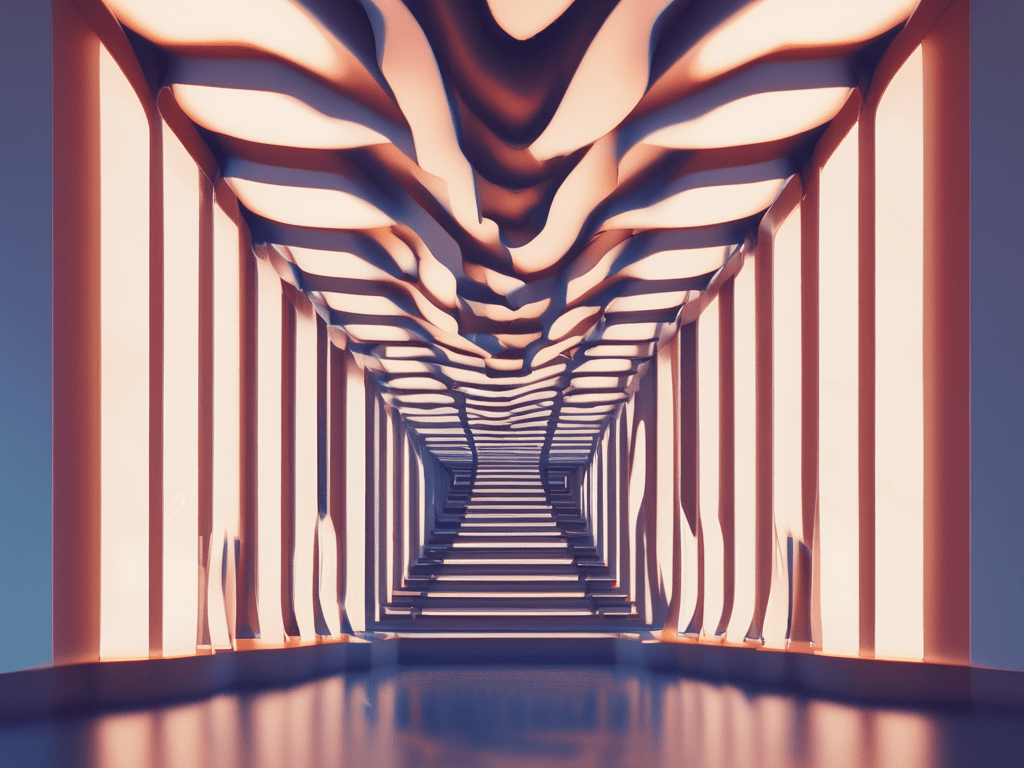
Generative art, with its blend of algorithmic precision and creative spontaneity, offers a unique aesthetic experience that challenges traditional notions of beauty and composition. As I explore the aesthetics of generative art, I am captivated by the diverse visual languages and forms that arise from this innovative art form.
Generative art aesthetics encompass a wide range of styles and influences, from geometric abstraction to organic forms, and from minimalism to complexity. This article delves into the key aesthetic principles of generative art, highlighting how artists use algorithms and systems to create visually compelling works that engage and inspire.
Geometric Abstraction
Geometric abstraction is a style that uses geometric shapes and patterns to create non-representational art. In generative art, algorithms often generate these shapes, resulting in precise and intricate compositions.
Key Characteristics:
- Symmetry and Balance: Many generative artworks use symmetrical patterns and balanced compositions to create a sense of harmony and order.
- Repetition and Variation: Repetition of geometric elements with subtle variations introduces complexity and interest while maintaining a cohesive structure.
Examples:
- Manfred Mohr: Known for his algorithmic art based on geometric abstraction, Mohr creates intricate black-and-white compositions using hypercubes and other geometric forms.
- Vera Molnar: Molnar’s work often explores the systematic manipulation of geometric shapes, creating variations that emphasize the interplay between order and randomness.
Organic Forms
Organic forms in generative art mimic the patterns and structures found in nature. These forms are often created using algorithms that simulate natural processes, resulting in fluid, dynamic compositions.
Key Characteristics:
- Flow and Movement: Organic generative art often emphasizes fluid lines and natural movement, creating a sense of dynamism and life.
- Complexity and Emergence: The use of algorithms to simulate natural growth processes can produce highly complex and intricate patterns that appear to emerge organically.
Examples:
- Michael Hansmeyer: An architect who uses algorithms to create intricate, nature-inspired architectural forms that push the boundaries of conventional design.
- Andy Lomas: His “Cellular Forms” series uses computational algorithms to simulate biological growth, resulting in intricate and organic sculptures.
Minimalism
Minimalism in generative art focuses on simplicity and the use of minimal elements to achieve maximum effect. This aesthetic emphasizes clarity, precision, and the beauty of basic forms.
Key Characteristics:
- Simplicity and Clarity: Minimalist generative art uses clean lines, simple shapes, and a limited color palette to create a sense of purity and elegance.
- Spatial Relationships: The arrangement of elements in minimalist compositions often highlights the spatial relationships and negative space, creating a balanced and harmonious visual experience.
Examples:
- John Maeda: A pioneer in digital and generative design, Maeda’s work often incorporates minimalist principles, using simple shapes and clean lines to create visually striking compositions.
- Santiago Ortiz: Known for his data visualizations, Ortiz uses minimalist design principles to create clear and engaging representations of complex data.
Complexity and Detail
Generative art can also explore the aesthetics of complexity and detail, creating works that are rich in visual information and intricate patterns. These works often draw viewers in with their depth and the sheer density of elements.
Key Characteristics:
- Intricacy and Richness: Highly detailed generative artworks feature a dense array of elements, each contributing to the overall complexity of the piece.
- Layering and Depth: The use of multiple layers and overlapping patterns creates a sense of depth and invites viewers to explore the intricacies of the artwork.
Examples:
- Casey Reas: His “Process” series uses algorithms to generate complex, layered compositions that reveal the underlying procedural systems.
- Refik Anadol: Anadol’s data-driven installations often feature highly detailed visualizations that transform data into immersive and intricate experiences.
Dynamic and Interactive Art
Dynamic and interactive generative art involves the creation of works that change over time or respond to viewer interactions. These artworks are often fluid and evolving, creating a unique experience with each interaction.
Key Characteristics:
- Real-Time Changes: Dynamic generative art changes in real-time, responding to data inputs, environmental factors, or user interactions.
- Engagement and Participation: Interactive generative art invites viewers to engage with the artwork, influencing its form and behavior through their actions.
Examples:
- Rafael Lozano-Hemmer: Known for his large-scale interactive installations, Lozano-Hemmer’s work often involves public participation and real-time data.
- Random International: The artist collective behind “Rain Room,” an installation that allows visitors to walk through falling water without getting wet, thanks to sensors that control the flow of water in response to movement.
Data-Driven Aesthetics
Data-driven generative art transforms raw data into visual form, creating artworks that are both informative and aesthetically pleasing. This approach often reveals hidden patterns and insights through the visualization of data.
Key Characteristics:
- Representation of Information: Data-driven artworks use visual elements to represent data points, trends, and relationships, making complex information accessible and engaging.
- Narrative and Context: These artworks often tell a story or provide context for the data, adding layers of meaning and interpretation.
Examples:
- Jer Thorp: A data artist known for his work with The New York Times, Thorp creates visualizations that make data more understandable and compelling.
- Nadieh Bremer: Bremer’s data visualizations blend scientific rigor with artistic design, creating pieces that are both informative and visually stunning.
Generative Typography
Generative typography involves the use of algorithms to create dynamic and unique letterforms. This approach can produce text that changes shape, style, or arrangement in response to various inputs.
Key Characteristics:
- Variation and Flexibility: Generative typography allows for the creation of letterforms that can adapt and change, providing a high degree of variation and flexibility.
- Integration with Visual Elements: Generative text often integrates seamlessly with other visual elements, creating cohesive and dynamic compositions.
Examples:
- Lust: A design studio that explores generative approaches to typography, creating dynamic and responsive letterforms for various applications.
- Jürg Lehni: Known for his project “Hektor,” a wall-drawing machine that produces large-scale typographic artworks using generative algorithms.
Sound and Music Visualization
Sound and music visualization in generative art involves the creation of visual representations of audio signals. This approach can produce dynamic and immersive experiences that combine auditory and visual elements.
Key Characteristics:
- Synesthesia and Harmony: These visualizations often aim to create a harmonious relationship between sound and visual form, evoking a synesthetic experience.
- Real-Time Interaction: Many sound visualizations respond in real-time to live music or audio input, creating a dynamic and responsive visual experience.
Examples:
- Golan Levin: An artist and engineer who creates interactive installations that visualize sound and music, often exploring the relationships between auditory and visual perception.
- Martin Wattenberg and Fernanda Viégas: Known for their work on “The Shape of Song,” a project that visualizes the structure of musical compositions.
Generative art aesthetics encompass a wide range of styles and influences, from geometric abstraction and organic forms to minimalism and complexity. The use of algorithms and systems allows artists to explore new visual languages and create works that are dynamic, interactive, and data-driven. By understanding the key aesthetic principles of generative art, we can appreciate the diversity and innovation that define this field, and the unique ways in which it challenges and expands our notions of beauty and artistic expression.
 Visual Alchemist
One response to “Generative Art Aesthetics”
[…] those wanting to understand the intersection of AI, creativity, and productivity, explore AI’s impact on artistic expression and how it’s transforming the way we produce visual […]
LikeLike