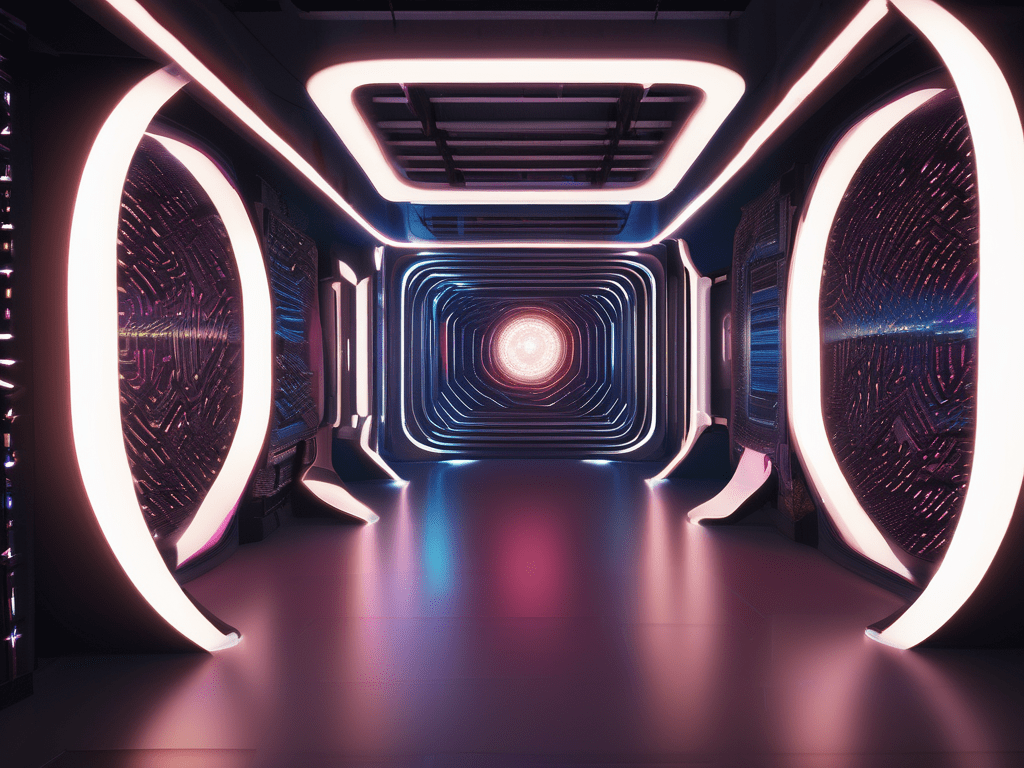
Generative art, a field that merges technology and creativity, has evolved significantly since its inception. As technology continues to advance, the potential for generative art expands, opening up new avenues for artistic expression and innovation. This blog explores the future directions in generative art, examining potential developments and their implications for artists, technologists, and audiences alike.
Generative art combines technology and creativity, continually evolving with technological advancements. This blog explores future developments and their implications.
Technological Advancements Driving Generative Art
As technology progresses, so do the tools and methods available to generative artists. The future of generative art is closely tied to advancements in artificial intelligence, machine learning, virtual reality, and blockchain technology.
Artificial Intelligence and Machine Learning Artificial intelligence (AI) and machine learning (ML) are poised to revolutionize generative art. These technologies can analyze vast datasets, identify patterns, and generate new forms of art based on learned styles and techniques. Artists like Refik Anadol and Mario Klingemann are already leveraging AI to create immersive and interactive installations that adapt in real-time to audience interactions. In the future, AI could enable more personalized and dynamic art experiences, allowing artists to push the boundaries of creativity further.
Virtual and Augmented Reality Virtual reality (VR) and augmented reality (AR) are transforming how we experience art. Generative artists are beginning to explore these mediums, creating immersive environments that engage audiences in entirely new ways. In the future, we can expect to see more generative artworks that utilize VR and AR to create interactive, three-dimensional spaces. These technologies will enable artists to craft experiences that are not only visually stunning but also deeply interactive and personalized.
Blockchain and NFTs Blockchain technology and non-fungible tokens (NFTs) are changing the landscape of digital art. NFTs provide a way to authenticate and monetize digital artworks, offering new opportunities for generative artists. By using blockchain, artists can ensure the provenance and ownership of their works, creating a secure and transparent market for digital art. This technology could lead to new forms of collaboration and distribution, empowering artists to reach global audiences and establish new revenue streams.
Future generative art will be driven by advancements in AI, machine learning, VR, AR, and blockchain technology, enabling personalized, interactive, and secure art experiences.
Emerging Trends in Generative Art
The future of generative art is not just about technological advancements but also about emerging trends and practices within the field. These trends reflect how artists are experimenting with new concepts and pushing the boundaries of what is possible.
Interactive and Participatory Art Generative art is increasingly becoming interactive and participatory, inviting audiences to engage with the artwork in meaningful ways. Artists are creating installations that respond to viewers’ movements, voices, and even emotions. This trend is likely to grow, with future generative artworks offering even more sophisticated forms of interaction, making the audience an integral part of the creative process.
Environmental and Social Themes As awareness of environmental and social issues grows, generative artists are beginning to address these themes in their work. By using generative processes, artists can visualize data related to climate change, pollution, and social inequality, creating impactful pieces that raise awareness and inspire action. This trend towards socially and environmentally conscious art is expected to continue, with generative artists playing a vital role in shaping public discourse.
Hybrid Art Forms The boundaries between different art forms are becoming increasingly blurred, and generative art is at the forefront of this trend. Artists are combining generative techniques with traditional mediums such as painting, sculpture, and music, creating hybrid works that challenge conventional definitions of art. This fusion of old and new is likely to continue, leading to innovative artworks that transcend traditional categories.
Emerging trends in generative art include interactive and participatory artworks, environmental and social themes, and hybrid art forms that blend generative techniques with traditional mediums.
The Role of Education in the Future of Generative Art
As generative art evolves, education will play a crucial role in its development and dissemination. Educational institutions and online platforms are increasingly incorporating generative art into their curricula, providing students with the skills and knowledge needed to explore this field.
Incorporating Generative Art in Curricula Universities and art schools are beginning to offer courses and programs dedicated to generative art. These courses cover the technical aspects of generative art, such as programming and algorithm design, as well as its artistic and conceptual foundations. By integrating generative art into traditional art and design curricula, educational institutions are preparing the next generation of artists to navigate and shape the future of this field.
Online Learning Platforms Online learning platforms like Coursera, Udemy, and Khan Academy are making generative art more accessible to a broader audience. These platforms offer courses on various aspects of generative art, from introductory programming tutorials to advanced workshops on AI and machine learning. By providing flexible, affordable learning opportunities, these platforms are democratizing access to generative art education.
Community and Collaboration Educational initiatives are also fostering communities of generative artists who can share knowledge, collaborate on projects, and support each other’s creative endeavors. Online forums, social media groups, and collaborative platforms like GitHub are becoming vital spaces for artists to connect and learn from one another. These communities are essential for the continued growth and innovation of generative art.
Education plays a key role in the future of generative art, with universities, online platforms, and communities providing essential skills, knowledge, and collaboration opportunities.
Challenges and Opportunities in the Future of Generative Art
The future of generative art presents both challenges and opportunities for artists, technologists, and audiences. Understanding these can help navigate the evolving landscape of generative art.
Challenges
- Ethical Considerations: As generative art increasingly relies on AI and ML, ethical questions about authorship, ownership, and the use of data arise. Artists and technologists must navigate these issues carefully to ensure responsible and fair practices.
- Technical Barriers: The technical complexity of generative art can be a barrier for some artists. As the field evolves, developing more user-friendly tools and platforms will be essential to make generative art accessible to a wider audience.
- Market Acceptance: While NFTs and blockchain offer new opportunities for monetizing digital art, the market for generative art is still developing. Building a sustainable market that values generative artworks will require ongoing efforts to educate and engage collectors and audiences.
Opportunities
- Innovation and Experimentation: The future of generative art is ripe with opportunities for innovation and experimentation. Artists can explore new technologies, mediums, and concepts, pushing the boundaries of what is possible in art.
- Interdisciplinary Collaboration: Generative art naturally lends itself to interdisciplinary collaboration, bringing together artists, scientists, engineers, and designers. These collaborations can lead to groundbreaking works and new forms of artistic expression.
- Global Reach: Digital platforms and online communities enable generative artists to reach a global audience, share their work, and collaborate with others from around the world. This global reach can drive the growth and recognition of generative art on an international scale.
Future generative art faces challenges like ethical considerations, technical barriers, and market acceptance but offers opportunities for innovation, interdisciplinary collaboration, and global reach.
The future of generative art is bright, with advancements in technology and emerging trends opening up new possibilities for creativity and expression. As AI, VR, AR, and blockchain technologies evolve, generative art will continue to push the boundaries of what is possible, creating immersive, interactive, and impactful artworks. Education and community will play crucial roles in this evolution, ensuring that generative art remains accessible and innovative. Despite the challenges, the opportunities for generative artists are immense, promising a dynamic and exciting future for this unique field.
The future of generative art is dynamic and promising, driven by technological advancements and emerging trends. Education and community will support its growth, while challenges offer opportunities for innovation and collaboration.
FAQs
- What are the future trends in generative art? Future trends include AI and machine learning, VR and AR, blockchain and NFTs, interactive art, and hybrid art forms.
- How will AI and machine learning impact generative art? AI and machine learning will enable more personalized and dynamic art experiences, pushing the boundaries of creativity.
- What role will VR and AR play in generative art? VR and AR will create immersive, interactive environments, transforming how we experience and engage with art.
- How can blockchain and NFTs benefit generative artists? Blockchain and NFTs provide secure ways to authenticate and monetize digital artworks, creating new opportunities for artists.
- What are some challenges facing the future of generative art? Challenges include ethical considerations, technical barriers, and market acceptance.
- How can education support the future of generative art? Education can provide essential skills, knowledge, and community support through university programs, online platforms, and collaborative initiatives.
- What are the opportunities in generative art? Opportunities include innovation, interdisciplinary collaboration, and global reach.
- How will interactive and participatory art evolve? Interactive and participatory art will become more sophisticated, making audiences integral to the creative process.
- Why are environmental and social themes important in generative art? These themes raise awareness and inspire action on critical issues, demonstrating the power of art to impact society.
- What are hybrid art forms in generative art? Hybrid art forms blend generative techniques with traditional mediums, creating innovative and challenging works.
- How do AI and machine learning enable new forms of generative art? AI and machine learning can analyze data and generate new art forms, enhancing creativity and expression.
 Visual Alchemist
3 responses to “The Role of Technology and Education in Shaping Generative Art’s Future”
[…] The Role of Technology and Education in Shaping Generative Art’s Future […]
LikeLike
[…] For further insights, explore The Role of Technology and Education in Shaping Generative Art’s Future. […]
LikeLiked by 1 person
[…] philosophical underpinning of the Role of Technology and Education further explores how our educational approaches must adapt to nurture the next generation of […]
LikeLike