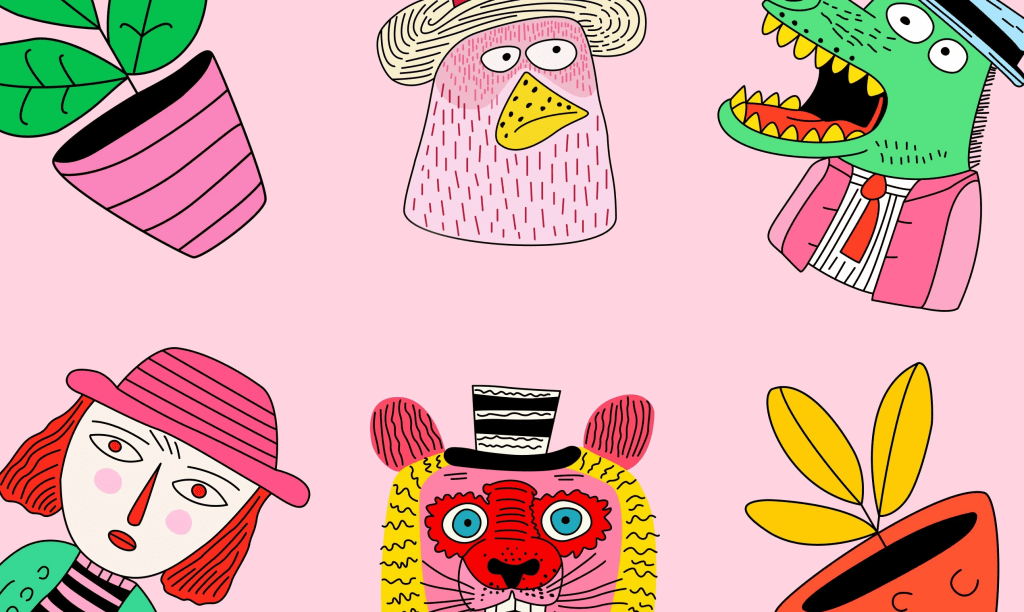
What is Quirk-Pilled Design?
Quirk-pilled design refers to a contemporary approach that celebrates individuality and eccentricity in visual communication. This design philosophy prioritizes unique, offbeat aesthetics over conventional norms, resulting in a vibrant and engaging visual landscape. The term “quirk-pilled” suggests a transformative experience where designers and audiences alike embrace the unexpected, leading to more memorable and impactful designs. This concept resonates with the broader exploration of creativity in art and design, as discussed in the article Exploring the Impact of Generative Art on Creativity, which emphasizes how embracing unconventional methods can lead to groundbreaking artistic expressions.
The Shift in Design Trends
In recent years, there has been a noticeable shift in design trends towards more playful and unconventional styles. This movement is characterized by bold colors, unusual shapes, and unexpected compositions that challenge traditional design principles. Quirk-pilled design stands in stark contrast to the minimalist trends that have dominated the design world for years. Instead of adhering to strict guidelines, designers are encouraged to experiment and infuse their work with personality and flair. This shift mirrors the changes seen in other creative fields, such as the Evolution of Generative Art, where the integration of randomness and algorithmic techniques has opened new avenues for artistic exploration.
The adoption of quirk-pilled design can be seen as part of a larger cultural shift towards valuing authenticity and individuality. This trend aligns with the growing interest in personal expression and the rejection of homogeneity in creative work. By challenging conventional design norms, quirk-pilled design paves the way for more inclusive and diverse visual communication, which can resonate with a wider audience.
The Impact of Digital Culture
The rise of social media and digital platforms has significantly influenced the popularity of quirk-pilled design. As brands seek to stand out in a crowded digital landscape, they are turning to quirky aesthetics to capture attention and engage audiences. This trend is particularly prevalent among younger generations, who value authenticity and creativity in branding. Quirk-pilled design allows brands to express their unique identities and connect with consumers on a deeper level.
The influence of digital culture on design trends is also evident in the increasing use of technology to create immersive and interactive experiences. For example, Engaging Audiences with Interactive Installations: Art, Education, Marketing, and Entertainment explores how interactive installations leverage technology to create engaging and memorable experiences. Similarly, quirk-pilled design utilizes digital tools to push the boundaries of visual communication, making it more dynamic and engaging.
Key Elements of Quirk-Pilled Design
- Bold Color Palettes: Quirk-pilled design often features vibrant, unexpected color combinations that evoke emotion and grab attention. These palettes are used to break away from the monotonous tones of traditional design, similar to the vibrant hues explored in Mastering Color Theory for Generative Art. The use of color in quirk-pilled design is not just about aesthetics; it’s also a powerful tool for conveying brand personality and mood.
- Playful Typography: Typography in this style embraces unconventional fonts and layouts, adding a sense of whimsy and character to the design. The playful use of type mirrors the dynamic compositions found in Interactive Generative Typography: From Variable Fonts to Deep Learning Models. By using typography in unexpected ways, designers can create a more engaging and visually interesting experience for the audience.
- Unusual Shapes and Patterns: Designers experiment with asymmetry, irregular shapes, and playful patterns to create visually striking compositions. This approach aligns with the artistic exploration seen in Fractals: Self-Similarity, Infinite Complexity, and Artistic Expressions, where geometric complexity is celebrated. The use of irregular shapes and patterns in quirk-pilled design adds a sense of movement and energy, making the design feel more alive and dynamic.
- Humor and Personality: Quirk-pilled design often incorporates humor and personality, making the work relatable and engaging for audiences. This element can be linked to the broader movement of Exploring Early Generative Art: Pioneers and Innovations, where the fusion of art and technology creates new ways to infuse personality into visual storytelling. Humor in design can make brands more approachable and human, fostering a stronger connection with their audience.
Examples of Quirk-Pilled Design in Action
Numerous brands have successfully adopted quirk-pilled design principles to enhance their visual identity. From packaging to digital marketing, these brands leverage eccentric aesthetics to create memorable experiences for consumers.
For instance, companies like Mailchimp and Slack have embraced playful illustrations and bold colors, setting themselves apart in their respective industries. Their designs not only convey information but also evoke a sense of joy and creativity, resonating with their target audiences. A similar embrace of playfulness can be seen in the Role of AI in Shaping Contemporary Art, where artificial intelligence helps generate creative outputs that challenge traditional forms of art.
Additionally, the use of quirk-pilled design can be seen in the work of smaller, independent brands that prioritize creative expression over conventional design rules. These brands often use quirk-pilled design to differentiate themselves in a competitive market, attracting customers who value creativity and individuality. The success of these brands highlights the growing demand for design that goes beyond the ordinary, offering something fresh and unexpected.
The Influence of Generative Art on Quirk-Pilled Design
Generative art, which involves using algorithms and computational processes to create artwork, shares many similarities with quirk-pilled design. Both approaches value unpredictability, experimentation, and the incorporation of unique elements that set their work apart. The Evolution of Generative Art provides insights into how artists use technology to push the boundaries of creativity, a concept that also underpins quirk-pilled design.
Generative art tools allow designers to create complex patterns and shapes that can be integrated into quirk-pilled designs. This fusion of art and technology not only enhances the visual appeal of the design but also adds depth and complexity. By leveraging generative art techniques, designers can create truly unique and innovative visual experiences that stand out in a crowded market.
The Future of Quirk-Pilled Design
As the design landscape continues to evolve, quirk-pilled design is likely to play a significant role in shaping future trends. With an increasing emphasis on authenticity and individuality, designers will continue to explore unconventional approaches that challenge the status quo. This movement encourages a more inclusive and diverse design environment, where creativity knows no bounds. For those interested in the philosophical and technical underpinnings of these shifts, exploring Critical Theories in Data-Driven Art: Philosophical and Technical Perspectives can provide deeper insights.
The integration of new technologies, such as artificial intelligence and machine learning, will further expand the possibilities of quirk-pilled design. These technologies can be used to create more personalized and interactive experiences, making design more engaging and relevant to individual users. For example, AI-Powered Creativity and Productivity: Tools, Projects, and Integration explores how AI can be harnessed to enhance creative processes and outcomes.
Quirk-pilled design represents a refreshing departure from traditional design norms, celebrating individuality and creativity. As brands and designers embrace this playful aesthetic, they create more engaging and memorable experiences for audiences. By prioritizing uniqueness and personality, quirk-pilled design is set to redefine the future of visual communication, making the design world a more vibrant and exciting place.
To further explore how emerging technologies influence creativity, check out Generative Art Movements: Tracing Algorithms to AI Innovations. This article delves into the ways generative art is shaping the future of artistic expression and how it intersects with quirk-pilled design’s emphasis on experimentation and originality.
As we continue to explore and embrace these new design paradigms, it’s clear that the boundaries of what is possible in visual communication are expanding. The combination of technology, creativity, and a willingness to challenge the norm is paving the way for a new era of design that is both innovative and deeply human. By drawing inspiration from the past, embracing the present, and looking towards the future, quirk-pilled design has the potential to inspire a new generation of designers and artists to break free from convention and explore the full spectrum of their creative capabilities. This evolution reflects a broader cultural movement that values diversity, inclusivity, and the power of unique perspectives, themes that resonate strongly within the artistic community and beyond.
Embracing Playfulness and Experimentation
At its core, quirk-pilled design is about embracing playfulness and experimentation. This philosophy encourages designers to take risks, explore unconventional ideas, and inject a sense of joy and curiosity into their work. The playful nature of quirk-pilled design is reminiscent of the spirit found in Creative Coding Techniques for Interactive Art: Engaging Experiences, where coding is used as a tool to create dynamic and interactive art pieces. The overlap between creative coding and quirk-pilled design lies in their shared goal of pushing the boundaries of what is considered “normal” or “acceptable” in their respective fields.
Playfulness in design doesn’t just make the work more visually interesting; it also enhances the user experience. When users encounter a design that feels fun and engaging, they’re more likely to interact with it, remember it, and develop a positive association with the brand or message behind it. This engagement is crucial in a world where attention spans are short and competition for eyeballs is fierce.
The Role of Storytelling in Quirk-Pilled Design
Another critical aspect of quirk-pilled design is its ability to tell a story. Through the use of whimsical elements, bold visuals, and unconventional layouts, quirk-pilled design can convey a narrative that resonates with audiences on a deeper level. Storytelling is an essential component of effective design, as it helps to create an emotional connection between the audience and the content. This concept is explored in the context of Immersive Storytelling with Generative Visuals: Emotions and Creativity, where the fusion of technology and narrative enhances the impact of visual art.
In quirk-pilled design, storytelling can take many forms. It might be a playful illustration that captures the essence of a brand’s personality, a quirky animation that brings a product to life, or an interactive feature that invites users to engage and explore. Whatever the medium, the goal is to create a narrative that is both engaging and meaningful, leaving a lasting impression on the viewer.
The Intersection of Quirk-Pilled Design and Other Art Forms
Quirk-pilled design does not exist in a vacuum; it intersects with other art forms, creating a rich tapestry of creative expression. This intersection is evident in the ways that quirk-pilled design influences and is influenced by fields such as generative art, digital installations, and even music visualization. The Artistic Applications of Noise Functions: From Textures to Music Visualization demonstrates how techniques from generative art can be applied to create dynamic visual experiences that complement the quirky aesthetic of quirk-pilled design.
For instance, the use of generative algorithms can add a layer of complexity and randomness to quirk-pilled design, making it more intriguing and unpredictable. Similarly, the principles of quirk-pilled design can be applied to digital installations, where interactivity and playfulness are key components of the experience. By blending these different art forms, designers can create multifaceted works that engage audiences on multiple levels, offering something new and unexpected with each interaction.
The Ethical Considerations of Quirk-Pilled Design
As with any design philosophy, quirk-pilled design comes with its own set of ethical considerations. While the emphasis on playfulness and experimentation is a positive force in the design world, it’s important to ensure that these elements are used responsibly. Designers should be mindful of the impact their work has on different audiences and strive to create inclusive and respectful designs. This consideration aligns with discussions in Navigating Ethical Challenges in Generative Art, where the potential for technology to shape artistic expression is balanced with the need for ethical awareness.
Inclusivity is a crucial aspect of ethical design. As quirk-pilled design continues to gain popularity, designers must ensure that their work is accessible and resonates with diverse audiences. This means considering factors such as cultural sensitivity, representation, and the potential impact of their design choices. By taking a thoughtful and responsible approach, designers can use quirk-pilled design to create work that is not only visually compelling but also socially conscious.
The Role of Education in Promoting Quirk-Pilled Design
Education plays a vital role in promoting quirk-pilled design and encouraging the next generation of designers to embrace this creative philosophy. By incorporating quirk-pilled design principles into design education, schools and programs can equip students with the skills and mindset needed to think outside the box and push the boundaries of conventional design. The importance of education in shaping the future of design is highlighted in Generative Art in Education: Inspiring Lifelong Learning and Real-World Applications, which emphasizes the value of teaching students to embrace creativity and innovation.
Educational programs that focus on quirk-pilled design can encourage students to experiment with different styles, explore new techniques, and develop their unique creative voice. By fostering an environment that celebrates individuality and originality, educators can inspire students to become pioneers in the design world, leading the charge in the next wave of creative innovation.
Quirk-Pilled Design in the Real World
The influence of quirk-pilled design can already be seen across various industries, from fashion to technology. Companies are increasingly turning to this design philosophy to differentiate themselves and create a strong brand identity. For example, fashion brands are using quirk-pilled design to create bold and eye-catching collections that appeal to consumers seeking something different from the mainstream. This trend is reflected in the article Fashion’s Data Runway to the Metaverse, which explores how fashion and technology are converging to create innovative and immersive experiences.
In the technology sector, quirk-pilled design is being used to create user interfaces and experiences that are more engaging and enjoyable. By incorporating playful elements into their design, tech companies can make their products more user-friendly and approachable, enhancing the overall user experience. This approach not only helps to build brand loyalty but also sets the company apart in a competitive market.
The Future of Quirk-Pilled Design
Looking ahead, quirk-pilled design is poised to become a defining trend in the world of visual communication. As designers continue to experiment and push the boundaries of creativity, the influence of quirk-pilled design will likely expand beyond its current niche, becoming a mainstream design philosophy. The continued integration of technology, such as artificial intelligence and machine learning, will further enhance the possibilities of quirk-pilled design, enabling designers to create even more innovative and personalized experiences.
The potential for quirk-pilled design to inspire and engage is vast, and its impact will likely be felt across various industries and creative disciplines. As more brands and designers embrace this playful and unconventional approach, the world of design will become more vibrant, diverse, and exciting. The future of quirk-pilled design is bright, and its influence will undoubtedly shape the visual landscape for years to come.
Quirk-pilled design is not just a passing trend; it is a reflection of a broader cultural shift towards valuing individuality, creativity, and authenticity. By challenging conventional design norms and embracing a playful, experimental approach, quirk-pilled design has the power to redefine visual communication and inspire a new generation of designers. As we continue to explore the possibilities of this exciting design philosophy, we can look forward to a future where creativity knows no bounds, and the unexpected is celebrated.
To explore more about the intersections of creativity, technology, and design, and how they are shaping the future, consider reading The Creative Future of Generative AI: A New Frontier for Artists and Innovators. This article offers insights into how generative AI is influencing artistic practices and opening new possibilities for creative expression.
 Visual Alchemist
4 responses to “A New Era of Creativity fuelled by Quirk-Pilled Design”
[…] A New Era of Creativity Fuelled by Quirk-Pilled Design […]
LikeLike
[…] evolving relationship between humans and AI was discussed in A New Era of Creativity Fueled by Quirk-Pilled Design. I delved into how creative collaborations between AI and humans can result in outcomes that push […]
LikeLike
[…] For a more creative exploration of the role of big tech and its influence on society, see A New Era of Creativity Fuelled by Quirk-Pilled Design […]
LikeLike
[…] more on how AI can mimic traditional filmmaking techniques, take a look at AI-generated art’s role in creative freedom for insights into how creators are expanding their visual vocabulary with the help of […]
LikeLike