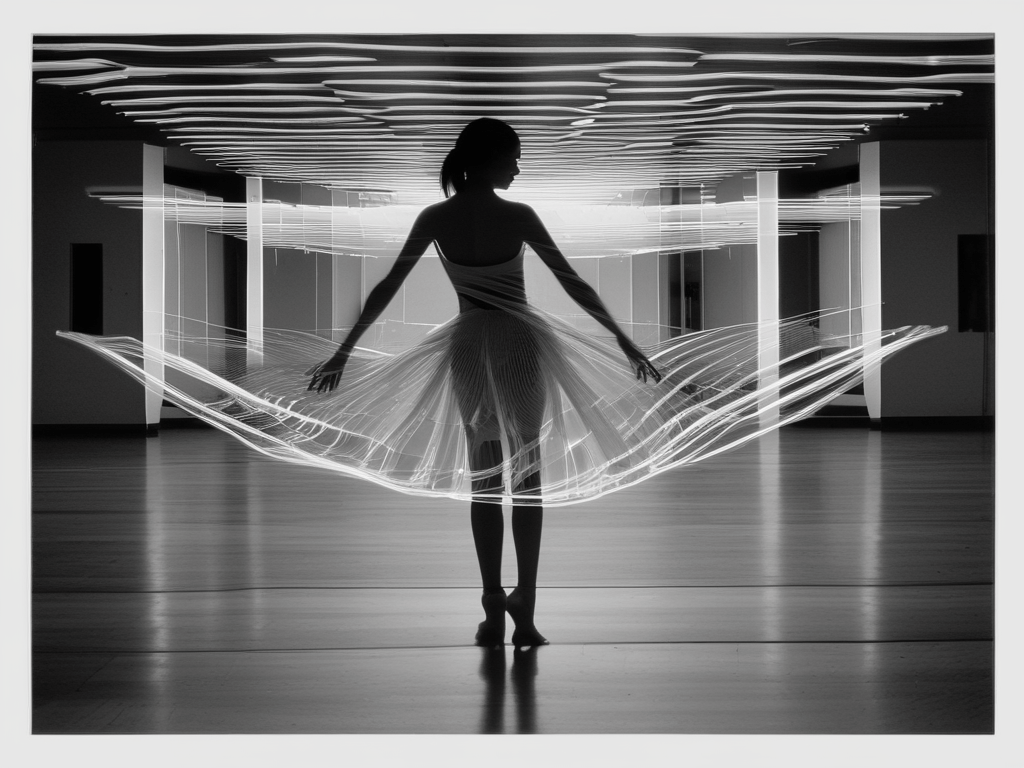
The Convergence of Art and Technology
Generative art, a practice rooted in the marriage of technology and creativity, is transforming the artistic landscape by using algorithms to autonomously design artworks. Unlike traditional art forms, generative art involves setting rules and parameters that govern the creative process. These rules are followed by a computer, which then produces new works based on the predefined criteria. As a result, generative art opens up infinite possibilities, continually pushing the boundaries of artistic expression. This innovative art form is gaining traction globally, with numerous events highlighting its growing influence and application.
At Visual Alchemist, we are deeply engaged in exploring how generative art, AI, and algorithms are redefining the realms of visual and auditory creativity. The intersection of these technologies with human artistry not only revolutionizes how we create and perceive art but also challenges us to rethink our relationship with machines and creativity.
The Foundations of Generative Art
The concept of generative art dates back to the 1970s, coinciding with the rapid development of computer science. However, it has seen a resurgence in recent years, largely due to the democratization of artificial intelligence. Artists are now able to program systems that generate art autonomously, using computer algorithms, mathematical models, behavioral rules, and other automated processes. These systems often start with basic parameters set by the artist, and from there, the artwork evolves, often in unexpected and innovative directions.
Generative art challenges the traditional roles of the artist and the artwork, creating a new paradigm where the process itself becomes an integral part of the artistic expression. This approach to art is reflected in various projects and performances that are leveraging the power of generative systems to explore new dimensions of creativity.
For a deeper dive into the roots and evolution of generative art, visit our article on the Evolution of Generative Art.
Daito Manabe – latent body: Transforming Dance into Visual Art
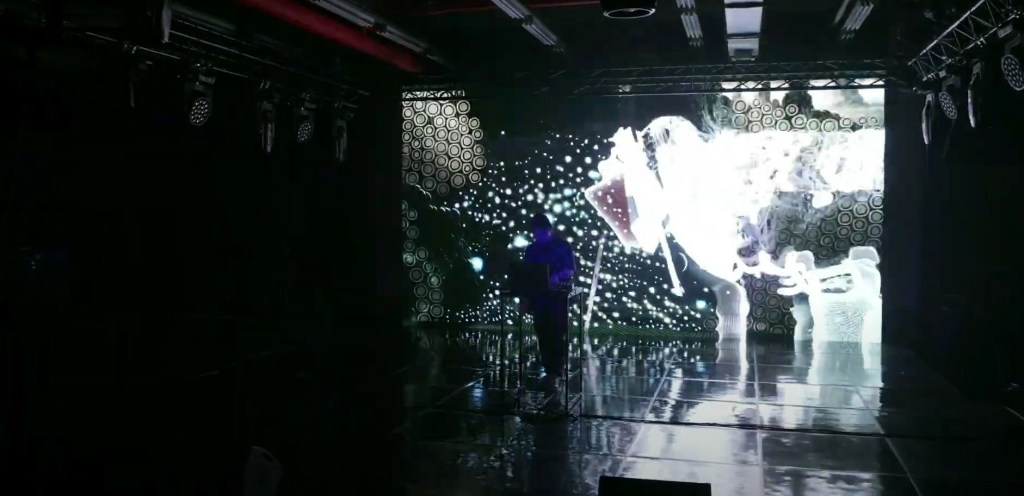
One of the most anticipated performances this year is by Japanese artist and composer Daito Manabe. His project, latent body, represents a pioneering effort in converting dance movements into video using advanced algorithms. By employing machine learning and AI, Manabe transforms choreography into visual art through a novel video generation method known as the Diffusion Model. This method utilizes fluid simulation, image analysis, and artificial simulation to convert body data into stunning visualizations.
The performance of latent body demonstrates how generative art can bridge the gap between different artistic mediums, creating a symbiotic relationship between dance and digital art. Manabe’s innovative use of technology not only enhances the expressiveness of dance but also redefines how we perceive and interact with it.
To explore more about how AI is transforming contemporary art forms, check out The Role of AI in Shaping Contemporary Art.
Sinjin Hawke & Zora Jones – Fractal Fantasy Surround: Merging Visuals and Sound
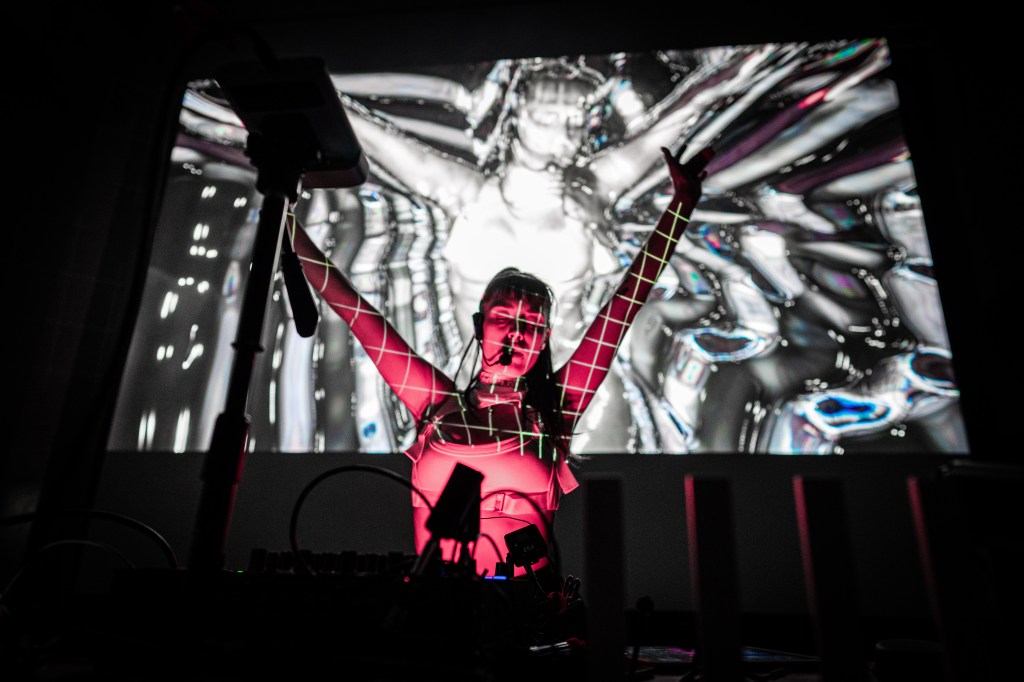
Following their groundbreaking performance at Oasis Immersion in 2022, Sinjin Hawke and Zora Jones are set to showcase their latest project, Fractal Fantasy Surround. This performance is a result of their extensive research and work during a residency in Japan and later at the Society for Arts and Technology (SAT) dome in Montréal. Utilizing motion capture and AI-driven visuals, their performance creates an immersive audiovisual experience that reacts in real-time to their movements and music.
The duo’s work is characterized by a blend of liquid metal creatures and grotesque sci-fi aesthetics, accompanied by a fusion of footwork, baile funk, and techno. The integration of generative art in their performance allows for a dynamic interaction between the artists and their visual projections, creating a constantly evolving spectacle that blurs the line between performer and environment.
For insights into the future trends of generative art and its impact on various creative disciplines, visit Emerging Trends in Generative Art: AI, Data, and Immersive Experiences.
.WAV STUDIO – Palindrome Codex: Time as an Artistic Medium

Cao Yuxi and Lau Hiu Kong, the duo behind .WAV STUDIO, present Palindrome Codex, an audiovisual installation that challenges our linear perception of time. By blending generative art with ancient symbolism, this installation offers a unique experience where time can be perceived simultaneously forwards and backwards. Drawing inspiration from the enigmatic Sator square, the installation uses cutting-edge AI technology to create real-time visuals that are both glitchy and retro-futuristic.
The ever-evolving visuals of Palindrome Codex are paired with a meticulously composed soundtrack, creating a multisensory experience that transcends traditional art forms. The use of generative algorithms to mimic natural patterns adds a layer of complexity and depth, inviting viewers to contemplate the fluid nature of time and existence.
For a detailed exploration of how generative art interacts with different media, explore Generative Art Across Mediums.
Amnesia Scanner & Freeka Tet – STROBE.RIP: The Fusion of Sound and Algorithm

Generative art extends beyond visual mediums, as demonstrated by Berlin duo Amnesia Scanner in their collaboration with New York artist Freeka Tet for STROBE.RIP. Since their 2018 album, Another Life, Amnesia Scanner has been exploring the fusion of AI and sound using their proprietary Oracle software to generate unique, inhuman vocalizations. This approach creates an uncanny blend of the organic and mechanical, producing sounds that evoke both familiarity and unease.
In STROBE.RIP, the duo continues to blur the lines between human and machine, with Freeka Tet adding his signature touch of distorted facial algorithms to the mix. The result is a performance that challenges our notions of identity and the human experience, exploring the limits of generative art in sound and voice.
To delve deeper into the intersection of art and AI, explore our article on Generative Art: Techniques, Tools, and Platforms.
Eno – A Generative Cinematic Experience
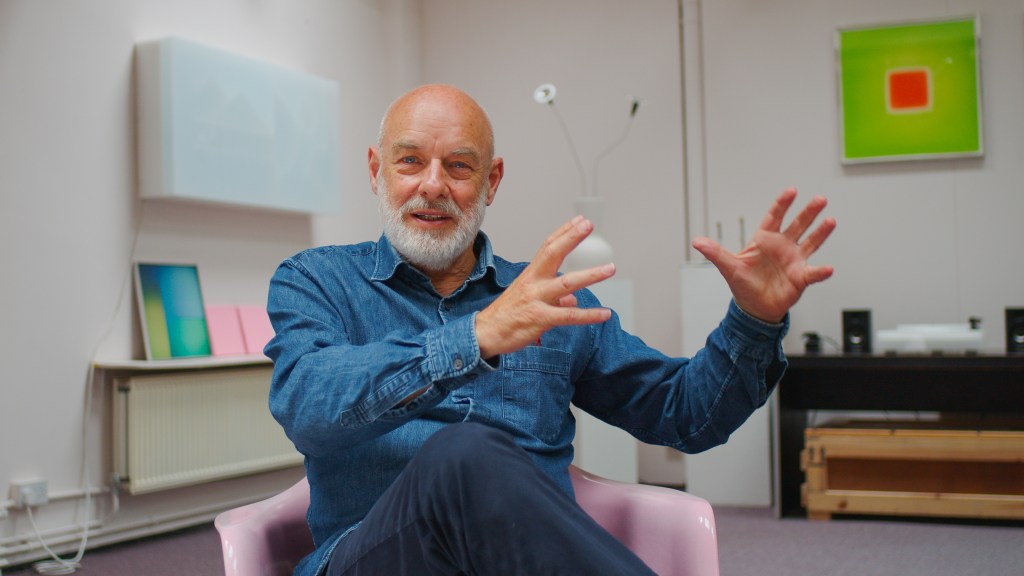
Brian Eno, a pioneer of musical and artistic creativity, continues to innovate with his latest project in collaboration with filmmaker Gary Hustwit. This generative film uses hundreds of hours of unseen footage and unreleased music, sequenced by custom software developed by creative technologist Brendan Dawes. Each screening of this film is unique, as the software autonomously sequences scenes, creating a continuously evolving cinematic experience.
Eno’s approach to using technology in creative processes is echoed in this generative film, mirroring his methods in music production and ambient soundscapes. This project not only celebrates Eno’s artistic legacy but also exemplifies the potential of generative art to transform cinema and visual storytelling.
To learn more about the use of AI in generating unique visual and auditory experiences, explore Generative Art: Programming Languages, Software Frameworks, and Specialized Tools.
Learn more about the film.
Exploring Generative Art and AI
Recent forums have provided platforms for in-depth discussions on the latest advances in generative artificial intelligence and its impact on creative practices. These discussions delve into how these technologies are reshaping the art world, offering new forms of expression and challenging traditional concepts. Key topics include the role of generative art in addressing the climate crisis and the ethical considerations surrounding the use of AI in art.
Panel discussions such as “Beyond Buzzwords: What is Generative AI Doing to Creative Practices?” offer critical insights into the current state and future potential of generative art. These discussions also highlight the importance of collaboration between human creativity and technological innovation to unlock the full potential of AI.
For a comprehensive understanding of how generative art can be a tool for addressing global challenges, read Exploring Generative Art: GANs, VAEs, and AI Co-Creation.
As generative art continues to evolve, it represents a transformative force in
the creative world. By harnessing the power of algorithms, AI, and human imagination, generative art is not only expanding the boundaries of artistic expression but also offering new ways to engage with critical issues such as the climate crisis and the nature of human identity. At Visual Alchemist, we are committed to exploring and documenting these developments, providing a platform for artists, technologists, and thinkers to share their insights and innovations.
For more on the transformative potential of generative art and its role in shaping the future of creativity, visit The Creative Future of Generative AI: A New Frontier for Artists and Innovators.
 Visual Alchemist