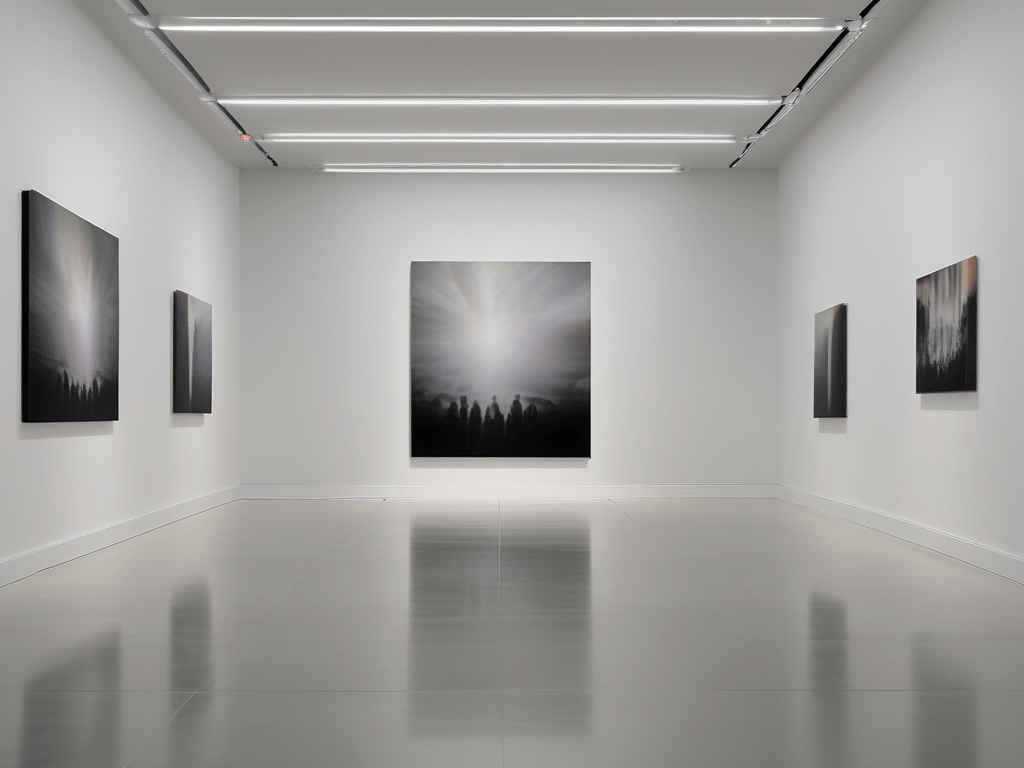
In the ever-evolving landscape of technology, generative AI has emerged as a transformative force, reshaping how creativity is perceived and practiced. Generative AI, characterized by its ability to create text, images, music, and other forms of content from scratch, has opened up a realm of possibilities previously unimaginable. This exploration delves into the profound impact of generative AI on creative industries, offering insights into its applications, future potential, and the ethical implications it brings. Drawing from recent discussions, including insights from a MIT News article, this article seeks to shed light on how generative AI is pioneering a new era of creativity.
1. Understanding Generative AI: A Brief Overview
Generative AI refers to algorithms that can generate new content by learning from existing data. Unlike traditional AI, which follows predetermined rules to solve problems, generative AI uses neural networks, particularly deep learning, to understand patterns and generate new, original content. Notable examples include OpenAI’s GPT-3 for text generation, DALL·E for image creation, and DeepArt for transforming photos into paintings. These models have been trained on vast datasets and can mimic human creativity by producing artwork, music, and even entire novels that are indistinguishable from human-created content.
2. The Evolution of Generative AI in Creative Industries
Generative AI’s integration into creative industries is not a recent phenomenon; its roots can be traced back to experiments with computer-generated art in the mid-20th century. However, it has gained significant traction in the last decade due to advancements in computational power and machine learning techniques. Early experiments like AARON, a program designed by Harold Cohen in the 1970s to create digital drawings, paved the way for today’s sophisticated AI systems.
Today, generative AI is widely used in various creative fields. In digital art, it can generate intricate designs and concepts that human artists might not conceive. In music, AI composers like AIVA (Artificial Intelligence Virtual Artist) have been used to create symphonies and soundtracks. In literature, AI-generated content is being explored for writing scripts, poetry, and even full-length books, as seen in works produced using tools like Sudowrite and GPT-3.
3. Real-World Applications and Success Stories
Generative AI’s versatility is evident in its wide range of applications across different creative domains:
- Digital Art: AI-generated art has found a niche in the contemporary art scene. One of the most notable events was the auction of “Portrait of Edmond de Belamy,” an AI-generated painting, which sold for $432,500 at Christie’s in 2018. This sale highlighted the potential of AI in creating valuable art and sparked debates about authorship and creativity.
- Fashion: Generative AI is being used to design clothing and accessories. Brands are leveraging AI to create unique patterns and styles, reducing the time and resources needed for design. For example, IBM’s Watson was employed in a partnership with Marchesa to design a dress that changes colors based on the sentiment of tweets.
- Music: AI’s ability to compose music is becoming increasingly sophisticated. AIVA, an AI developed for music composition, has been recognized as a composer by the French Author’s Rights Society (SACEM). Musicians are also using AI tools like Amper Music and Jukedeck to generate original compositions that can be used in various media, from films to commercials.
- Advertising: The advertising industry is tapping into generative AI to create personalized ad content. By analyzing consumer data, AI can generate targeted advertisements that resonate with specific audiences, enhancing engagement and conversion rates. Companies like McCann Erickson have even appointed AI systems as creative directors to develop advertising campaigns.
- Film and Animation: AI is making its mark in the film industry by automating visual effects and animation processes. Generative models can create realistic CGI effects, simulate natural phenomena, and even generate entire scenes, reducing production time and costs. Tools like Runway ML enable filmmakers to use AI for real-time video editing and effects.
4. The Future of Generative AI: What to Expect
As generative AI continues to evolve, its future holds immense potential. Here are some anticipated developments:
- Enhanced Realism and Quality: Future AI models will likely produce even more realistic and high-quality content, blurring the lines between human and machine-generated creations. This advancement will enable AI to be used in more complex and demanding creative tasks, such as creating hyper-realistic virtual environments for VR and AR.
- Personalized Creativity: Generative AI could be used to create highly personalized content tailored to individual preferences. This capability could revolutionize industries like entertainment, marketing, and education, offering customized experiences to users based on their unique tastes and interests.
- Integration with Emerging Technologies: The integration of generative AI with other emerging technologies like blockchain could lead to new creative opportunities. For example, artists could use blockchain to authenticate and sell AI-generated art as non-fungible tokens (NFTs), ensuring originality and ownership in the digital age.
- AI-Assisted Creativity: AI will increasingly serve as a creative collaborator, assisting human artists by providing suggestions, automating repetitive tasks, and exploring creative avenues that may not be immediately apparent. This partnership between AI and human creativity will enable artists to push the boundaries of their craft.
5. Ethical Considerations and Challenges
While the potential of generative AI is vast, it also raises important ethical questions and challenges:
- Authorship and Ownership: One of the most debated topics is the issue of authorship. Who owns the rights to AI-generated content—the developer of the AI, the user who inputs the data, or the AI itself? Establishing clear guidelines on ownership and copyright is crucial to prevent disputes and protect creators’ rights.
- Bias and Representation: Generative AI models are trained on existing data, which may contain biases. These biases can be reflected in the AI-generated content, leading to issues of representation and fairness. For instance, AI-generated art may unconsciously replicate stereotypes or cultural biases present in the training data. Addressing these biases is essential to ensure inclusivity and diversity in AI-generated content.
- Misinformation and Deepfakes: Generative AI can create highly realistic fake images, videos, and audio, known as deepfakes. While this technology has legitimate uses, it can also be exploited to spread misinformation, create fake news, and manipulate public opinion. Developing safeguards and regulations to combat the misuse of generative AI is critical.
- Impact on Employment: The rise of generative AI has sparked concerns about its impact on employment in creative industries. While AI can enhance productivity and creativity, it may also lead to job displacement as tasks traditionally performed by humans become automated. It is essential to strike a balance, ensuring that AI complements rather than replaces human creativity.
6. The Role of Human Creativity in the Age of AI
Despite the capabilities of generative AI, human creativity remains irreplaceable. AI can mimic and generate content, but it lacks the emotional depth, intuition, and cultural context that humans bring to the creative process. The role of human artists is to guide, interpret, and infuse AI-generated content with meaning and purpose.
AI should be viewed as a tool that expands creative possibilities rather than a threat to human creativity. By automating repetitive tasks, AI frees up artists to focus on more complex and imaginative aspects of their work. In this way, AI serves as a collaborator, providing inspiration and support rather than competing with human creators. This symbiotic relationship can lead to new forms of expression and innovation, blending the strengths of both AI and human creativity.
7. Preparing for a Future with Generative AI
As generative AI becomes more prevalent, it is crucial for artists, designers, and companies to understand how to integrate this technology effectively. Here are some practical steps to prepare for a future with generative AI:
- Stay Informed: Keeping up-to-date with the latest developments in generative AI is essential. Artists and creatives should follow industry news, attend conferences, and participate in workshops to learn about new tools and techniques. Platforms like AI-focused blogs, industry publications, and academic journals provide valuable insights into the evolving landscape of AI.
- Learn and Experiment: Hands-on experience is one of the best ways to understand the capabilities and limitations of generative AI. Creatives should experiment with AI tools and software to explore how they can be used in their work. Many generative AI platforms offer user-friendly interfaces and tutorials, making it accessible for those without extensive technical knowledge.
- Embrace Collaboration: Generative AI thrives on collaboration. Creatives should seek partnerships with AI developers, data scientists, and other technologists to enhance their projects. These collaborations can lead to innovative applications of AI, combining technical expertise with creative vision.
- Ethical Considerations: As artists and companies adopt generative AI, it is crucial to consider the ethical implications of its use. This includes being mindful of bias, respecting copyright laws, and ensuring transparency in AI-generated works. Establishing ethical guidelines and best practices for using generative AI can help maintain integrity and trust in creative industries.
- Invest in Education: As the role of AI in creativity grows, educational institutions should include courses and programs focused on AI and its applications in creative fields. This will equip the next generation of artists and designers with the skills and knowledge to work with AI effectively. Online platforms, such as Coursera, Udacity, and edX, offer courses on AI and machine learning that can be valuable for creatives looking to expand their skill set.
8. Conclusion: Embracing a New Creative Paradigm
Generative AI represents a powerful new frontier in creativity, offering unprecedented opportunities for innovation across various fields. As we stand on the brink of this new era, it is essential to approach generative AI with an open mind, recognizing both its potential and its challenges. By embracing AI as a tool for collaboration and enhancement, rather than a replacement for human creativity, we can unlock new possibilities for artistic expression and push the boundaries of what is possible.
The future of creativity lies in the harmonious integration of human intuition, emotion, and cultural understanding with the computational power of AI. Together, they can create a richer, more diverse creative landscape that benefits artists, industries, and society as a whole. As we move forward, it is our responsibility to navigate this path with thoughtfulness and ethical consideration, ensuring that the creative future we build with AI is inclusive, fair, and inspiring.
References and Further Reading
To provide a deeper understanding and support the ideas presented in this article, here are some valuable sources:
- MIT News: Creative Future with Generative AI.
- OpenAI: Introducing GPT-3.
- Harvard Business Review: How AI is Changing Creativity.
- Adobe: The Future of Creativity: How AI is Transforming Creative Work.
- Wired: AI Art at Christie’s Sells for $432,500.
- Stanford University’s AI Ethics Lab: Addressing Bias in AI.
- The Verge: Deepfakes are becoming easier to make and the internet’s not ready.
- AIVA: AI Composing Music for Media.
- McCann Erickson: AI as Creative Directors.
- DeepMind: AI and Creativity.
- Creative AI Lab: Exploring Creativity through AI.
- World Economic Forum: The impact of AI on the future of jobs.
- TED Talks: How AI is Enhancing Creativity.
- Runway ML: AI Tools for Creatives.
- The AI Now Institute: Ethics in AI.
 Visual Alchemist
7 responses to “The Creative Future of Generative AI: A New Frontier for Artists and Innovators”
[…] For more on the transformative potential of generative art and its role in shaping the future of creativity, visit The Creative Future of Generative AI: A New Frontier for Artists and Innovators. […]
LikeLike
[…] Jim McCann, an associate professor at the Robotics Institute’s Textiles Lab, describes CoFRIDA as “the drawing equivalent of a writing prompt,” adding, “If you’re stuck and you don’t know what to do, it can put something on the page for you. It can break the barrier of an empty page. It’s a really interesting way of enhancing human creativity”. This sentiment reflects the core philosophy at Visual Alchemist, where we explore the innovative fusion of technology and art, as discussed in our article on The Creative Future of Generative AI. […]
LikeLike
[…] of creativity, technology, and design, and how they are shaping the future, consider reading The Creative Future of Generative AI: A New Frontier for Artists and Innovators. This article offers insights into how generative AI is influencing artistic practices and opening […]
LikeLike
[…] The Creative Future of Generative AI: A New Frontier for Artists and Innovators […]
LikeLike
[…] The Creative Future of Generative AI: A New Frontier for Artists and Innovators […]
LikeLike
[…] For a glimpse into the future of creativity, consider reading The Creative Future of Generative AI: A New Frontier for Artists and Innovators. […]
LikeLike
[…] glimpse into the future is painted in The Creative Future of Generative AI, showing the potential for artists and technologists […]
LikeLike