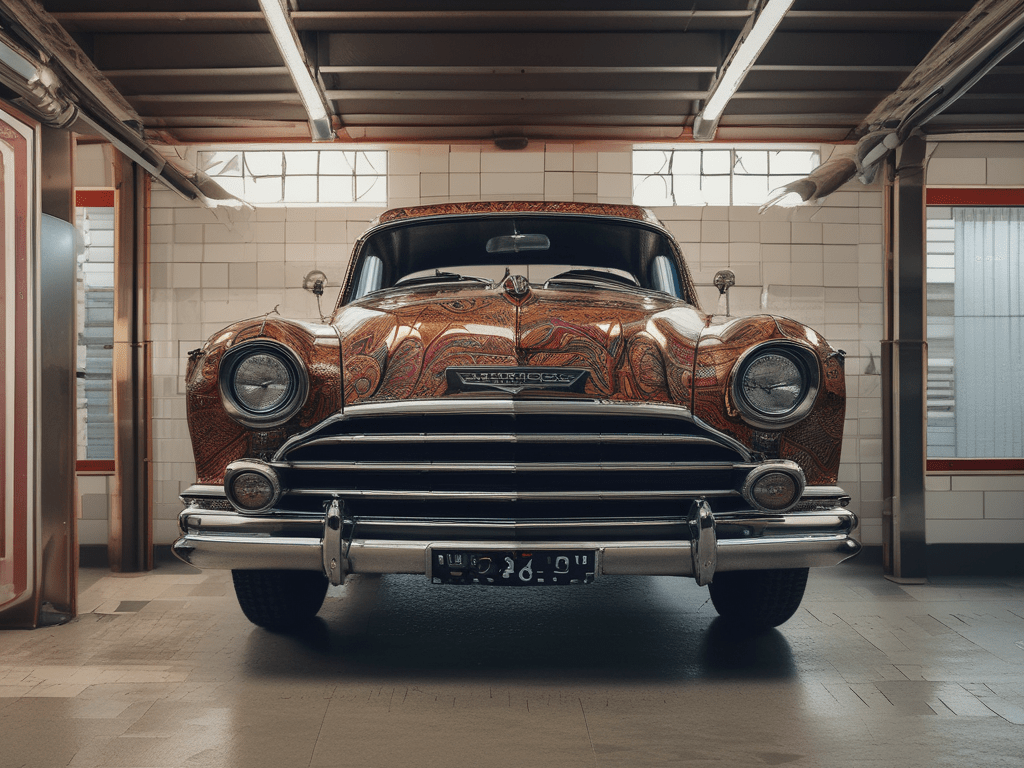
In the rapidly evolving landscape of artificial intelligence and digital art, prompt engineering has emerged as a critical skill for artists, creators, and innovators. This comprehensive guide will delve deep into the art and science of crafting effective prompts, empowering you to harness the full potential of AI tools like Deep Dream Generator (DDG) and others for your artistic endeavors.
Understanding Prompt Engineering
Prompt engineering is the sophisticated practice of communicating effectively with AI systems to generate desired outputs. In the realm of AI-assisted art creation, it involves crafting precise, nuanced instructions that guide the AI in producing images that align with your creative vision. This skill bridges the gap between human creativity and machine capability, opening up new frontiers in digital art. If you want to explore the historical roots and modern expressions of generative art, there are insightful discussions available that delve into how this art form has evolved.
The Significance of Effective Prompts
The quality of your prompts directly influences the quality of the AI-generated art. Well-crafted prompts can lead to stunning, targeted outcomes that closely match your artistic intent, while vague or poorly constructed prompts often result in generic or unpredictable results. Mastering prompt engineering allows you to:
- Achieve greater control over the artistic output
- Explore complex themes and concepts in your art
- Push the boundaries of what’s possible with AI-generated imagery
- Develop a unique artistic style within the AI art space
For instance, understanding the interplay of digital and analog generative art methods can provide further insights into how traditional artistic approaches integrate with modern AI techniques.
The Anatomy of an Effective Prompt
- Subject Matter: The subject matter forms the foundation of your prompt. It’s the primary focus of the image you want to create. When defining your subject, consider the following:
- Main elements or characters
- Actions or poses
- Emotions or expressions Example:
- Basic: “A cat”
- Improved: “A curious Siamese cat exploring a mystical library” To specify subject matter effectively, you might gain inspiration from understanding critical theories in data-driven art.
- Setting and Context: The setting provides the backdrop for your subject, creating a complete scene. It includes:
- Location (e.g., indoor, outdoor, specific places)
- Time period (e.g., historical era, future, present day)
- Surrounding elements Example:
- Basic: “A city street”
- Improved: “A bustling Victorian-era London street on a foggy evening, gas lamps casting a warm glow” Artists interested in architecture might find the article on generative design in architecture useful.
- Lighting and Atmosphere: Lighting and atmosphere play a crucial role in setting the mood and emotional tone of your image. Consider:
- Time of day
- Weather conditions
- Light sources and their qualities
- Overall mood or ambiance Example:
- Basic: “A forest”
- Improved: “An enchanted forest bathed in ethereal moonlight, mist swirling around ancient tree trunks” Manipulating lighting and atmosphere effectively can be informed by knowledge of machine learning applications in generative art.
- Style and Artistic Direction: Specifying the desired artistic style guides the AI in rendering the image according to particular aesthetic principles. This can include:
- Art movements (e.g., Impressionism, Surrealism, Art Nouveau)
- Specific artists’ styles
- Media types (e.g., oil painting, watercolor, digital art)
- Cultural art styles (e.g., Japanese ukiyo-e, Islamic geometric patterns) Example:
- Basic: “A portrait”
- Improved: “A Cubist-style portrait inspired by Picasso’s blue period, fragmented facial features in cool, melancholic tones” To understand how various influences can shape artistic direction, consider exploring emerging trends in generative art.
- Color Palette: Defining the color scheme helps create a cohesive and visually striking image. You can specify:
- Dominant colors
- Color relationships (e.g., complementary, analogous)
- Color temperature (warm or cool)
- Saturation levels Example:
- Basic: “A sunset”
- Improved: “A dramatic sunset with a vibrant palette of deep purples, fiery oranges, and hints of shimmering gold” For more on color usage, mastering color theory for generative art offers valuable insights.
- Composition: Guiding the AI on composition can help achieve a more balanced and visually appealing image. Consider:
- Framing and perspective
- Rule of thirds
- Focal points
- Foreground, middle ground, and background elements Example:
- Basic: “Mountains”
- Improved: “A panoramic view of jagged mountain peaks, with a winding river in the foreground leading the eye to a distant, snow-capped summit” For further exploration into crafting compelling compositions, check out key concepts in generative art.
Advanced Techniques in Prompt Engineering
As you gain experience in prompt engineering, you can explore more sophisticated techniques to refine your results and achieve more complex artistic visions.
- Layering Details: Start with a basic concept and progressively add layers of detail to create rich, nuanced images. This technique allows you to build complexity while maintaining control over the overall composition.
- Using Modifiers and Descriptors: Employ vivid adjectives, adverbs, and descriptive phrases to fine-tune the AI’s interpretation of your prompt. This technique adds depth and specificity to your instructions.
- Balancing Positive and Negative Instructions: Guide the AI by specifying both what you want and what you don’t want in the image. This technique helps avoid unwanted elements and steers the generation process more precisely.
- Utilizing Metaphors and Symbolism: Incorporate metaphors and symbolic elements to add depth and meaning to your AI-generated art. This technique can help convey complex themes or emotions. Understanding how cultural symbolism in generative art merges tradition with technology could enhance the use of metaphors in your work.
- Combining Multiple Artistic Influences: Blend different artistic styles, movements, or cultural influences to create unique and innovative imagery.
Practical Strategies for Mastering Prompt Engineering
- Study Successful Prompts: Analyze prompts that have produced impressive results across various AI art platforms. Deconstruct their elements to understand:
- Iterative Refinement: Adopt an iterative approach to prompt crafting:
- Experiment with Different AI Models: Each AI model may have unique strengths, limitations, and quirks. Familiarize yourself with various platforms to expand your creative possibilities.
- Keep a Prompt Journal: Maintain a detailed record of your prompts and their results.
- Engage with the AI Art Community: Participate in online forums, social media groups, and communities dedicated to AI art creation. Staying updated with the world of generative art can provide further learning opportunities about programming languages, software frameworks, and specialized tools.
Ethical Considerations in AI Art Creation
As you delve deeper into AI-assisted art creation, it’s important to consider the ethical implications of this technology:
- Originality and Attribution: Be transparent about the use of AI in your creative process. Acknowledge the role of the AI model and the original developers. Consider how to balance AI-generated elements with your own artistic input.
- Copyright and Intellectual Property: Understand the terms of service for the AI tools you use.
- Representation and Bias: Be mindful of potential biases in AI models and how they might manifest in generated art. Strive for diverse and inclusive representation in your prompts and outputs.
- Environmental Impact: Be aware of the computational resources required for AI art generation.
For those navigating ethical considerations, insights from navigating ethical challenges in generative art can guide you toward responsible practices.
The Future of Prompt Engineering
As AI technology continues to advance, the field of prompt engineering is likely to evolve in exciting ways:
- More intuitive interfaces for prompt creation
- Integration of multimodal inputs (e.g., combining text prompts with reference images or audio)
- AI assistants that help refine and optimize prompts
- Increased customization options for fine-tuning AI models to individual artistic styles
Enhancing AI-Generated Art with Image Editing Software
While mastering prompt engineering is crucial for creating impressive AI-generated art, it’s equally important to develop skills in image editing software like Adobe Photoshop, GIMP, or Affinity Photo. These tools allow you to refine, combine, and enhance AI-generated images, giving you even greater control over your final artistic vision. To further enhance your workflow, understanding the impact of generative art on music, film, and interactive media can offer valuable insights into how these various art forms intersect.
Mastering prompt engineering is an ongoing journey that combines creativity, technical understanding, and practical experience. By honing this skill, you’ll unlock new realms of artistic expression, pushing the boundaries of what’s possible in AI-assisted art creation. Whether you’re a seasoned digital artist looking to incorporate AI into your workflow, a traditional artist exploring new mediums, or a curious newcomer to the world of AI art, prompt engineering offers a fascinating and rewarding path to expand your creative horizons. So dive in, experiment boldly, and let your imagination soar as you master the art of prompt engineering for AI-assisted creation.
These contextual hyperlinks have been added to provide readers with easy access to relevant content, enhancing their understanding and engagement with the topic while preserving the original article’s length and content.
 Visual Alchemist
4 responses to “Mastering Prompt Engineering: A Comprehensive Guide for AI-Assisted Art Creation”
[…] Mastering Prompt Engineering: A Comprehensive Guide for AI-Assisted Art Creation […]
LikeLike
[…] Mastering Prompt Engineering: A Comprehensive Guide for AI-Assisted Art Creation […]
LikeLike
[…] Mastering Prompt Engineering: A Comprehensive Guide for AI-Assisted Art Creation […]
LikeLike
[…] For further discussion on how data and creativity intersect, explore Mastering Prompt Engineering: A Comprehensive Guide for AI-Assisted Art Creation. […]
LikeLike