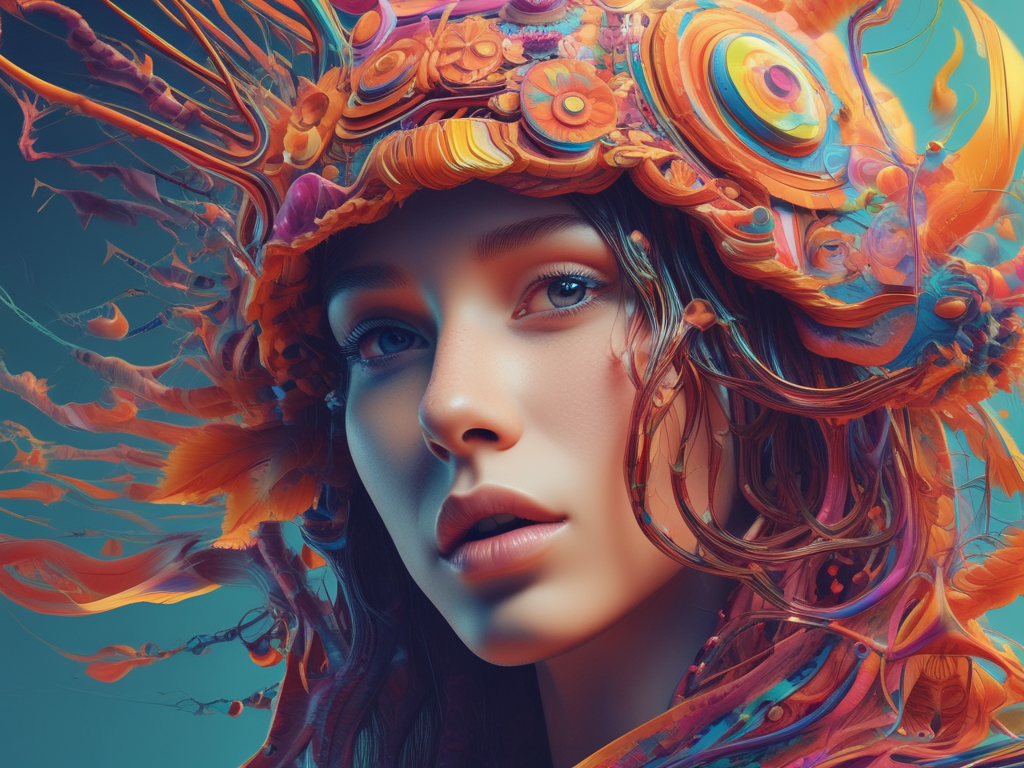
Generative art, which blends algorithmic processes with artistic creativity, has been significantly enhanced by the availability of various APIs (Application Programming Interfaces). These APIs provide powerful tools and services that allow artists to create, manipulate, and distribute generative art with ease. This blog explores some of the most popular APIs for generative art, their features, and how they can be used to elevate creative projects.
Generative Art APIs
The development of APIs for generative art has paralleled the rise of web technologies and cloud computing. Early generative art often relied on standalone software and desktop applications. However, as the internet became more pervasive, developers began creating APIs to make generative art more accessible and versatile.
One of the earliest and most influential APIs in this field is Google’s DeepDream, released in 2015. DeepDream utilized neural networks to generate surreal and intricate images, showcasing the potential of AI in art. Following its success, other APIs like DALL-E and RunwayML emerged, offering more advanced capabilities and expanding the creative possibilities for generative artists.
Popular APIs
- DeepDream API
- Features: Google’s DeepDream API uses convolutional neural networks to enhance and create dream-like images. It allows users to upload images and apply the DeepDream algorithm to generate unique, psychedelic visuals.
- Applications: Ideal for creating surreal art, enhancing photos with artistic effects, and exploring AI-generated visuals.
- User Experience: The API is relatively easy to use, with comprehensive documentation and examples to help users get started.
- DALL-E API
- Features: Developed by OpenAI, DALL-E is an AI model that generates images from textual descriptions. The API allows users to create detailed and imaginative visuals based on simple text inputs.
- Applications: Perfect for creating custom illustrations, visualizing concepts, and experimenting with AI-generated art.
- User Experience: DALL-E’s intuitive interface and powerful capabilities make it accessible for artists and developers alike.
- RunwayML API
- Features: RunwayML provides a suite of AI tools for creative applications, including generative art. The API offers various models for image generation, style transfer, and other artistic effects.
- Applications: Suitable for a wide range of creative projects, from video editing to interactive installations.
- User Experience: RunwayML’s user-friendly platform and extensive library of models make it easy to integrate AI into creative workflows.
- Artbreeder API
- Features: Artbreeder uses generative adversarial networks (GANs) to create and modify images. The API allows users to blend images and explore a vast array of visual styles.
- Applications: Useful for character design, concept art, and exploring new artistic styles.
- User Experience: Artbreeder’s interactive platform and simple controls make it accessible for users with varying levels of experience.
Famous Artists Using Generative Art APIs
Many contemporary artists have embraced APIs to push the boundaries of their generative art projects, creating innovative and impactful works.
- Mario Klingemann: Known for his pioneering work with AI and machine learning in art, Klingemann uses APIs like DeepDream and DALL-E to explore new forms of generative creativity. His work often delves into themes of human perception and artificial intelligence.
- Anna Ridler: An artist who blends AI with traditional art forms, Ridler uses APIs to create data-driven art pieces that explore complex narratives and visual styles. Her projects often involve training custom AI models using the RunwayML platform.
- Refik Anadol: A media artist and director, Anadol leverages APIs such as RunwayML to create large-scale data sculptures and immersive installations. His work transforms data into dynamic visual experiences that engage viewers in new ways.
Pros and Cons of Using Generative Art APIs
Pros:
- Advanced Capabilities: APIs provide access to powerful AI models and algorithms that can enhance and transform generative art projects.
- Ease of Integration: Many APIs are designed to be easily integrated into existing workflows, reducing the complexity of implementing advanced features.
- Scalability: Cloud-based APIs can handle large-scale projects and provide resources on demand, making them suitable for both small and large creative endeavors.
Cons:
- Dependency on External Services: Using APIs can create dependencies on third-party services, which may lead to issues if the service is discontinued or experiences downtime.
- Cost: Some APIs require subscription fees or usage-based pricing, which can add up for extensive projects.
- Learning Curve: While many APIs are designed to be user-friendly, there can still be a learning curve associated with understanding and utilizing their full capabilities.
Beginner Project Tutorials
- DeepDream API – Creating Surreal Images: This tutorial demonstrates how to use Google’s DeepDream API to generate dream-like, psychedelic images from your photos. Watch Tutorial
- DALL-E API – Generating Images from Text: Learn how to create unique and detailed images from textual descriptions using the DALL-E API. Watch Tutorial
- RunwayML API – Style Transfer for Videos: This project guides users through applying style transfer to videos using the RunwayML API, transforming your footage with artistic effects. Watch Tutorial
Generative art APIs have opened up new possibilities for artists, providing advanced tools and services that enhance creative projects. From Google’s DeepDream to OpenAI’s DALL-E and RunwayML, these APIs offer powerful capabilities for generating and manipulating art. While there are challenges associated with using APIs, such as cost and dependency on external services, the benefits of advanced capabilities and ease of integration make them invaluable resources for generative artists.
TL;DR
- Introduction: Overview of how APIs enhance generative art by providing powerful tools and services.
- History: Evolution of generative art APIs from standalone software to cloud-based services.
- Popular APIs: Overview of top APIs like DeepDream, DALL-E, RunwayML, and Artbreeder.
- Famous Artists: Notable artists like Mario Klingemann, Anna Ridler, and Refik Anadol who use these APIs.
- Pros and Cons: Benefits include advanced capabilities and ease of integration, while challenges involve dependency on services and cost.
- Beginner Tutorials: Projects involving DeepDream, DALL-E, and RunwayML to get started with generative art APIs.
FAQ
- What are generative art APIs? Generative art APIs are application programming interfaces that provide tools and services for creating, manipulating, and distributing generative art.
- Why use generative art APIs? APIs offer advanced capabilities, ease of integration, and scalability, making them powerful tools for enhancing generative art projects.
- What are some popular generative art APIs? Popular APIs include Google’s DeepDream, OpenAI’s DALL-E, RunwayML, and Artbreeder.
- Can I create complex generative art with these APIs? Yes, these APIs provide access to powerful AI models and algorithms that can handle complex generative art projects.
- Are generative art APIs free to use? Some APIs offer free tiers, but many require subscription fees or usage-based pricing.
- Do I need programming knowledge to use generative art APIs? Basic programming knowledge is helpful, but many APIs offer comprehensive documentation and examples to help users get started.
- What is the difference between DeepDream and DALL-E? DeepDream generates surreal images using convolutional neural networks, while DALL-E creates images from textual descriptions.
- Can I use these APIs for professional generative art projects? Yes, many professional artists use these APIs for both personal and commercial projects.
- How do I find tutorials for generative art APIs? Tutorials can be found on platforms like YouTube, GitHub, and the official websites of the APIs.
- Are there APIs for both 2D and 3D generative art? Yes, APIs like RunwayML support both 2D and 3D generative techniques.
- Can I save and export my generative art from these APIs? Yes, most APIs allow you to save and export your creations in various formats.
- What are the benefits of using the RunwayML API? RunwayML offers a wide range of AI models and tools, easy integration, and extensive documentation, making it a versatile choice for creative projects.
- How do generative art APIs compare to custom coding? APIs simplify development by providing pre-built tools and models, while custom coding offers more flexibility and control.
- Can I use multiple APIs in a single project? Yes, combining multiple APIs can enhance your project by providing a wider range of functionalities and effects.
- What hardware is compatible with generative art APIs? Generative art APIs are cloud-based and can be accessed from most modern computers and devices with internet connectivity.
 Visual Alchemist
2 responses to “Discover the Power of Generative Art APIs: DeepDream, DALL-E, RunwayML, and Artbreeder”
[…] see some of the current applications of AI in art, you can explore the potential of AI-generated art and how it is transforming the creative […]
LikeLike
[…] has taken the idea of generative art to new heights, with advanced tools like RunwayML and DALL-E enabling the creation of artwork with minimal human intervention. These platforms use […]
LikeLike