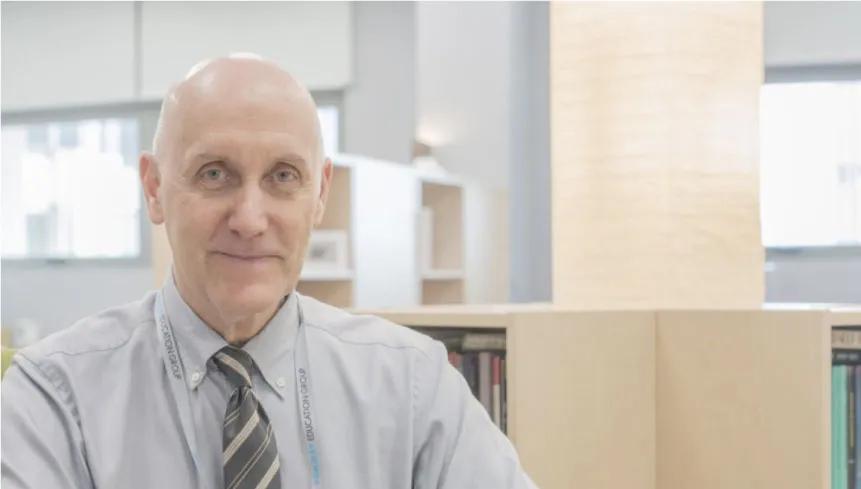
Harold Thwaites is a pioneering figure in the fields of digital media, immersive environments, and 3D digital heritage preservation. Born in Canada, Thwaites has had an illustrious career spanning several decades as a media artist, educator, and researcher. His work bridges the realms of art, science, and technology, focusing on the innovative use of immersive technologies for cultural heritage, virtual reality (VR), and augmented reality (AR). He is also recognized for his contributions to television, broadcasting, and interactive digital media.
Thwaites’ academic background is as impressive as his artistic career. He earned his Ph.D. in Communications and worked at Concordia University in Montreal for more than 30 years as a professor and director of the Communication Studies Department. In the early 2000s, Thwaites relocated to Malaysia, where he became a key figure at Taylor’s University, heading the Center for Research-Creation in Digital Media. His global career reflects a deep commitment to exploring the ways in which digital technologies can be harnessed for creative and educational purposes.
Artistic Style and Medium:
Harold Thwaites’ artistic style is best described as a blend of experimental media and immersive technologies. His work focuses on the use of digital media, including VR, AR, and 3D modeling, to create immersive environments that engage with cultural heritage, history, and memory. Thwaites often employs interactive platforms to allow audiences to explore digital reconstructions of historical sites, artworks, and ancient artifacts.
Thwaites’ medium of choice is multifaceted. He uses high-definition 3D scanning, virtual reality systems, and immersive digital displays to create his works, which are often both educational and visually engaging. His projects typically involve reconstructing significant cultural landmarks, architectural monuments, and heritage sites in the digital realm, allowing these artifacts to be preserved and experienced by a global audience.
Thwaites has been a strong proponent of using interactive media as a way to bridge the gap between traditional art and digital technology, blending the two to create experiences that are both informative and immersive. His works emphasize the use of technology not just for artistic purposes, but also as a pedagogical tool to enhance the understanding of cultural and historical narratives.
Themes and Messages:
A major theme in Harold Thwaites’ work is cultural heritage preservation through digital media. His digital reconstructions of historical sites and artifacts reflect a deep concern with the fragility of cultural memory and the need to safeguard these treasures for future generations. Thwaites uses 3D scanning and modeling technologies to digitally preserve ancient architecture, art, and objects, offering a new form of conservation that enables people around the world to access and explore these materials in ways that were previously impossible.
Thwaites is also driven by the theme of technological innovation as a form of artistic and educational practice. By embracing the latest developments in virtual reality and immersive experiences, Thwaites pushes the boundaries of how art can be created and experienced. His work often raises questions about the role of technology in art, particularly in how it can enhance our connection to history and culture.
A recurring message in his work is the importance of interdisciplinary collaboration. Thwaites frequently collaborates with historians, archaeologists, and computer scientists to ensure that his projects not only push artistic boundaries but also serve educational and scientific purposes. His projects underscore the idea that art, science, and technology are interconnected fields that, when brought together, can create powerful and transformative experiences.
Another significant theme in his work is audience engagement and interaction. By using immersive platforms, Thwaites enables audiences to participate in the creation and exploration of his digital worlds, allowing them to experience historical artifacts and sites in a deeply personal and interactive way. This focus on interactivity challenges the traditional boundaries of art viewing, transforming passive spectators into active participants in the digital narrative.
Notable Works:
- Virtual Heritage Projects: Thwaites has been involved in numerous virtual heritage projects, where he uses 3D scanning, virtual reality, and augmented reality to digitally reconstruct historical sites. These projects include the digital preservation of ancient temples, monuments, and cultural artifacts that are at risk of being lost due to war, natural disasters, or neglect. His work in this area allows scholars and the public to explore these important cultural landmarks in great detail, even if they are geographically distant or physically inaccessible.
- 3D Cultural Heritage & VR Museum (2010s): One of Thwaites’ most prominent projects involved the creation of a 3D VR museum where visitors could explore digital reconstructions of historical artifacts and architectural marvels. This project brought together advanced technologies like 3D scanning and interactive displays to offer a new way of experiencing museum collections. The VR museum allowed users to “walk” through digital galleries and interact with high-resolution models of artifacts that were otherwise fragile or inaccessible.
- Malaysian Cultural Heritage in Virtual Space: After moving to Malaysia, Thwaites developed several projects focusing on the country’s rich cultural history. His work includes the digital reconstruction of heritage buildings, traditional Malaysian arts, and cultural practices. By incorporating immersive technology, Thwaites was able to bring these stories to life for a global audience while preserving important aspects of Malaysia’s cultural identity.
- Interactive VR/AR Experiences for Education: Thwaites has been an advocate for using virtual reality and augmented reality in educational contexts. His projects often serve as tools for teaching history and culture, allowing students to immerse themselves in digitally reconstructed environments where they can explore historical events and locations. These projects emphasize the educational potential of immersive media, demonstrating how virtual experiences can enhance learning by making it interactive and engaging.
- Digital Diaspora Series: Thwaites explored the theme of diaspora and migration in a series of digital works that used virtual reality to explore the lived experiences of displaced peoples. Through immersive storytelling and digital reconstructions, Thwaites created virtual environments where the audience could engage with the personal stories of diaspora communities, bringing these narratives to life in new and compelling ways.
Personal Insights:
Harold Thwaites often speaks about the role of technology in preserving cultural memory. He believes that digital technologies, such as virtual reality and 3D scanning, provide a unique opportunity to preserve heritage and allow future generations to engage with artifacts, monuments, and historical sites in an interactive way. In one interview, Thwaites stated, “We are at a crossroads where technology can either be a means of erasure or preservation. I choose the latter, using digital tools to ensure that our cultural stories are never lost.”
Thwaites also emphasizes the importance of collaboration in his work. He believes that bringing together experts from different fields is crucial for creating projects that are both educational and artistically meaningful. By working with historians, archaeologists, and digital artists, Thwaites’ projects are enriched by a diversity of perspectives, ensuring that the cultural and historical integrity of the work is maintained.
Comparative Analysis
Common Threads:
Harold Thwaites’ work shares similarities with other pioneers of digital heritage and virtual reality, such as Maurizio Forte and Sarah Kenderdine, who also explore the intersection of cultural heritage and immersive technology. Like Forte and Kenderdine, Thwaites uses advanced technology to reconstruct historical environments, focusing on how these technologies can be used to preserve and communicate culture.
All three artists share a commitment to interactivity and audience engagement, believing that immersive media can bring history and culture to life in new ways. Thwaites, however, brings a unique educational focus to his work, particularly in his use of immersive technologies as tools for teaching and learning.
Diverse Perspectives:
While Thwaites’ work is deeply rooted in cultural preservation, what sets him apart is his emphasis on using digital technology as a pedagogical tool. His projects often aim to educate, using immersive experiences to engage students and learners in new ways. Whereas other digital artists may focus more on the aesthetic or experiential qualities of their work, Thwaites ensures that his projects are also meaningful from an educational perspective.
Another distinctive aspect of Thwaites’ work is his focus on diaspora and migration. His Digital Diaspora Series explores the experiences of displaced communities through virtual storytelling, a unique approach within the broader field of digital heritage.
Impact on the Art World
Cultural Significance:
Harold Thwaites’ contributions to the field of digital heritage preservation have had a profound impact on how we think about the role of technology in art and education. His work has opened new possibilities for virtual museums, cultural heritage preservation, and digital storytelling, allowing artifacts, historical sites, and stories to be experienced in ways that are more immersive and engaging than traditional methods.
By combining art, history, and technology, Thwaites has made a significant contribution to the ongoing dialogue about how digital tools can be used to preserve the past and bring it into the future. His work has influenced both digital artists and cultural historians, pushing forward the idea that interactive and immersive media are critical to the preservation of our shared human heritage.
Reception
and Recognition:
Thwaites has been recognized internationally for his contributions to the fields of digital media and heritage preservation. His work has been featured in various international exhibitions and conferences, and he has been invited to speak at academic institutions and cultural forums around the world. In Malaysia, his work has made a lasting impact, particularly in the way cultural heritage is integrated with modern digital technology.
Thwaites’ leadership at Taylor’s University and Concordia University has also earned him recognition as an influential educator, with many of his students going on to make their own contributions in the field of digital media and interactive technology.
Future Directions:
As virtual reality, augmented reality, and AI technologies continue to evolve, Harold Thwaites’ work will remain highly relevant. His projects provide a template for how immersive media can be used in the fields of education, cultural preservation, and interactive storytelling. Future advancements in these technologies will only enhance the potential for virtual museums and digital heritage preservation, areas where Thwaites has already made a significant impact.
Recap Key Points:
Harold Thwaites is a visionary artist, educator, and digital media pioneer whose work bridges the gap between art, technology, and cultural heritage preservation. Through the use of virtual reality, 3D scanning, and interactive media, Thwaites creates immersive experiences that allow audiences to engage with historical and cultural narratives in new and meaningful ways. His contributions to digital heritage preservation and education have made him a leader in the field, demonstrating how technology can be used to safeguard our cultural legacy for future generations.
For those interested in exploring Harold Thwaites’ work, many of his digital heritage projects are available online, and his contributions to virtual museums can be experienced in VR exhibitions. His work offers a powerful example of how technology can be harnessed for cultural preservation and educational innovation.
Harold Thwaites’ work is a testament to the transformative power of technology in the preservation and communication of cultural history. As digital media continues to evolve, Thwaites’ legacy will inspire future generations of artists, educators, and technologists to explore how immersive experiences can shape our understanding of the world and ensure that cultural memory is never lost.
 Visual Alchemist