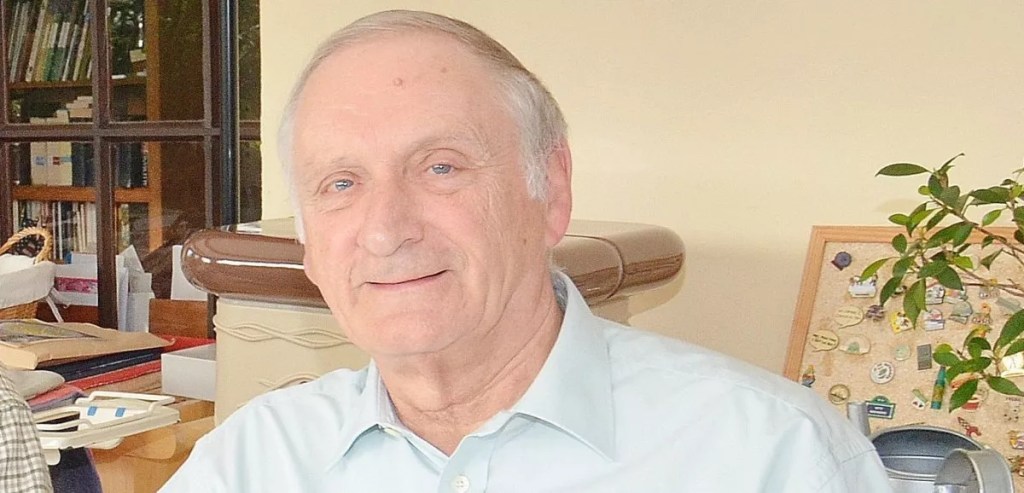
Jean-Pierre Hébert (1939–2021) was a pioneering figure in generative art and algorithmic drawing, known for his exquisite blend of mathematics, code, and visual aesthetics. Born in Calais, France, Hébert began his career as a software engineer but later found his true calling as a generative artist. His work, which bridges the realms of art and technology, earned him a reputation as one of the foremost figures in the digital and generative art movements.
Hébert’s transition from engineering to art began in the 1970s, when he became interested in the possibilities of algorithmic art—a form of art created through the execution of algorithms. Drawing from his background in mathematics and computer science, he started developing custom algorithms to generate intricate drawings that reflected his fascination with geometry, order, and complexity. His work was characterized by its precision, yet it retained a delicate, human quality, pushing the boundaries of what could be achieved using computational processes.
Artistic Style and Medium:
Jean-Pierre Hébert’s artistic style is distinguished by his use of algorithmic systems to generate visual compositions, with a particular focus on minimalism, precision, and geometric complexity. His works, often generated using plotters and other computer-controlled drawing machines, are delicate yet highly structured, with fine lines and intricate patterns that explore mathematical concepts like symmetry, recursion, and fractal geometry.
Hébert’s medium evolved over time, starting with traditional pen plotters, which he used to translate mathematical algorithms into physical drawings. These plotters, driven by computer code, allowed Hébert to produce highly detailed and intricate designs that were mathematically generated but artistically expressive. As technology advanced, Hébert also incorporated laser engravings, etchings, and digital prints into his repertoire, as well as exploring interactive installations and works generated using real-time algorithms.
One of the defining features of Hébert’s work is his ability to convey complexity through simplicity. He often created monochromatic compositions, relying on the beauty of line, form, and space to engage the viewer. His pieces are deeply mathematical yet never cold or detached—they reflect a poetic sensitivity, where each line and form is carefully considered, creating a sense of both precision and fluidity.
Themes and Messages:
A major theme in Jean-Pierre Hébert’s work is the exploration of mathematical beauty. His art is an inquiry into how mathematical rules and algorithms can produce forms that are aesthetically pleasing, even mesmerizing. He believed in the inherent beauty of geometrical structures and mathematical processes, often drawing inspiration from natural patterns and organic forms like waves, fractals, and spirals.
Hébert’s work also delves into the relationship between order and chaos. Many of his algorithmic pieces play with this duality, generating patterns that are precise and orderly but also contain an element of unpredictability and variation. This reflects Hébert’s belief in the power of generative systems to create art that is both structured and alive, where the algorithm provides a framework but allows for chance and randomness to introduce unique qualities to each piece.
Another important theme in Hébert’s work is the idea of meditative art. His drawings often evoke a sense of contemplation and stillness, inviting viewers to engage deeply with the visual intricacies of the forms. Hébert was fascinated by the ability of line and form to evoke emotions and thoughts, despite being generated by cold, logical algorithms. His pieces are not just mathematical exercises but visual meditations that encourage a reflective experience.
Notable Works:
- Suite of Algorithmic Drawings (1970s-1980s): This early series of works is one of Hébert’s first major forays into algorithmic art. Using custom algorithms, Hébert generated intricate geometric patterns and executed them using a pen plotter. The pieces in this series are characterized by their minimalist elegance, with each drawing showcasing Hébert’s ability to create complex forms from simple mathematical instructions.
- Linear Dreams (1990s): One of Hébert’s most famous works, Linear Dreams is a series of plotter drawings that explore the beauty of curvilinear forms generated by mathematical equations. The lines in these drawings appear to float across the page, interacting with one another in dynamic ways that evoke both organic growth and architectural precision. This work highlights Hébert’s mastery of line and form, as well as his ability to convey movement and flow through algorithmically generated patterns.
- Sandworks (2000s): In this later series, Hébert began experimenting with physical materials, using his algorithms to create intricate patterns in sand. The Sandworks installations were made by moving sand across a surface using controlled mechanical systems, resulting in delicate, ephemeral forms that resembled natural patterns like ripples in water or wind-blown sand dunes. These works reflect Hébert’s continued exploration of the intersection between nature and computation.
- Meditative Algorithmic Compositions (2000s): Hébert created a series of pieces designed to evoke a sense of calm and contemplation. These works, which include both pen plotter drawings and digital prints, are characterized by their slow, deliberate use of line and form. Each piece is generated using an algorithm designed to produce compositions that are both balanced and dynamic, encouraging the viewer to pause and reflect on the intricacies of the lines.
- Engravings and Digital Sculptures (2010s): Later in his career, Hébert began incorporating new technologies such as laser engraving and 3D printing into his practice. In these works, Hébert pushed the boundaries of generative art by transforming his two-dimensional designs into physical objects. His engravings and sculptures maintain the mathematical precision of his earlier work, while exploring the tactile and dimensional possibilities of new media.
Personal Insights:
Jean-Pierre Hébert often spoke about his work as a bridge between art and mathematics, describing the process of writing algorithms as both a technical exercise and a creative act. He saw algorithms as a means of exploring infinite possibilities, with each algorithm representing a unique set of rules that could generate a multitude of outcomes. Hébert once said, “The beauty of algorithmic art lies in the discovery—each line and form is a result of logic, but it also reveals something new, something unexpected.”
Hébert was also passionate about the idea that computers could be used to create art that was deeply personal and expressive. He viewed the computer not as a tool for automation but as a collaborative partner that could extend the creative possibilities of the human mind. Despite the technological nature of his work, Hébert’s art always retained a sense of warmth and emotion, reflecting his belief that art and technology were not opposites, but partners in the creative process.
Comparative Analysis
Common Threads:
Jean-Pierre Hébert’s work shares conceptual similarities with other early pioneers of algorithmic art and generative art, such as Manfred Mohr and Harold Cohen, both of whom explored the use of algorithms and code to generate visual compositions. Like Mohr and Cohen, Hébert believed that mathematical systems could produce artworks that were aesthetically rich and complex, and he used plotters and digital tools to bring these systems to life.
Hébert’s work also resonates with Sol LeWitt, particularly in their shared interest in systemic art and the use of rules to guide the creative process. While LeWitt used written instructions for creating his wall drawings, Hébert relied on computer algorithms, but both artists explored how predefined systems could result in visually striking compositions.
Diverse Perspectives:
What sets Jean-Pierre Hébert apart from his contemporaries is his focus on meditative qualities in his work. While many algorithmic artists were concerned with the visual and mathematical complexity of their pieces, Hébert sought to create works that were also emotionally and spiritually engaging. His art often encourages a slow, contemplative viewing experience, reflecting his interest in the aesthetic potential of line and form as vehicles for deeper reflection.
Additionally, Hébert’s emphasis on using physical materials, such as sand and engraved surfaces, introduced a tactile dimension to his work that is less common in generative art. His Sandworks installations, for example, merge the ephemeral qualities of nature with the precision of computational processes, creating a unique dialogue between technology and natural forces.
Impact on the Art World
Cultural Significance:
Jean-Pierre Hébert’s contributions to generative art have had a lasting impact on both the art and technology communities. His work helped establish the legitimacy of algorithmic drawing as a form of fine art, and his use of plotters and digital tools opened up new possibilities for how artists could engage with computation as a creative process. Hébert’s work also influenced the development of procedural art and real-time algorithms, areas that continue to shape contemporary digital art practices.
His emphasis on the meditative qualities of algorithmic art has also inspired a new generation of artists to explore how technology can be used to create works that are both intellectually engaging and emotionally resonant. By merging mathematics, aesthetics, and technology, Hébert expanded the possibilities of what generative art could achieve.
Reception and Recognition:
Jean-Pierre Hébert’s work has been
exhibited in numerous prestigious venues, including the Victoria and Albert Museum in London, the Los Angeles County Museum of Art (LACMA), and the Museum of Computer Art in New York. He was also a long-time artist-in-residence at the Santa Barbara Museum of Art and became a member of the Algorists, a group of artists dedicated to exploring the possibilities of algorithmic art.
Hébert’s contributions to the field of algorithmic and generative art have been widely recognized, and his influence can be seen in the work of contemporary artists who continue to explore the possibilities of code-based art.
Future Directions:
As AI and machine learning continue to evolve, Hébert’s work remains highly relevant, particularly in discussions about the role of algorithms in creative processes. His emphasis on using code as a form of artistic expression will continue to inspire future generations of artists working with generative systems and digital tools. Hébert’s legacy as a bridge between art and mathematics will undoubtedly influence the ongoing development of algorithmic art.
Recap Key Points:
Jean-Pierre Hébert was a trailblazing figure in generative art, whose work explored the beauty of mathematical systems and the creative potential of algorithms. His intricate drawings, produced using plotters and code, reflect a deep engagement with geometry, order, and meditative qualities. By blending art, technology, and mathematics, Hébert created a body of work that remains influential in the fields of digital art and generative aesthetics.
For those interested in exploring Jean-Pierre Hébert’s work further, his pieces can be found in museum collections worldwide, and his contributions to the field of generative art continue to be celebrated by artists and scholars alike. His art serves as a reminder of the profound beauty that can emerge from the intersection of logic and creativity.
Jean-Pierre Hébert’s work invites us to reflect on the ways in which technology and art can come together to create something truly unique and expressive. His ability to use algorithms and mathematics as tools for artistic exploration challenges the boundaries of traditional art-making, offering a glimpse into the infinite possibilities that emerge when creativity meets computation.
 Visual Alchemist