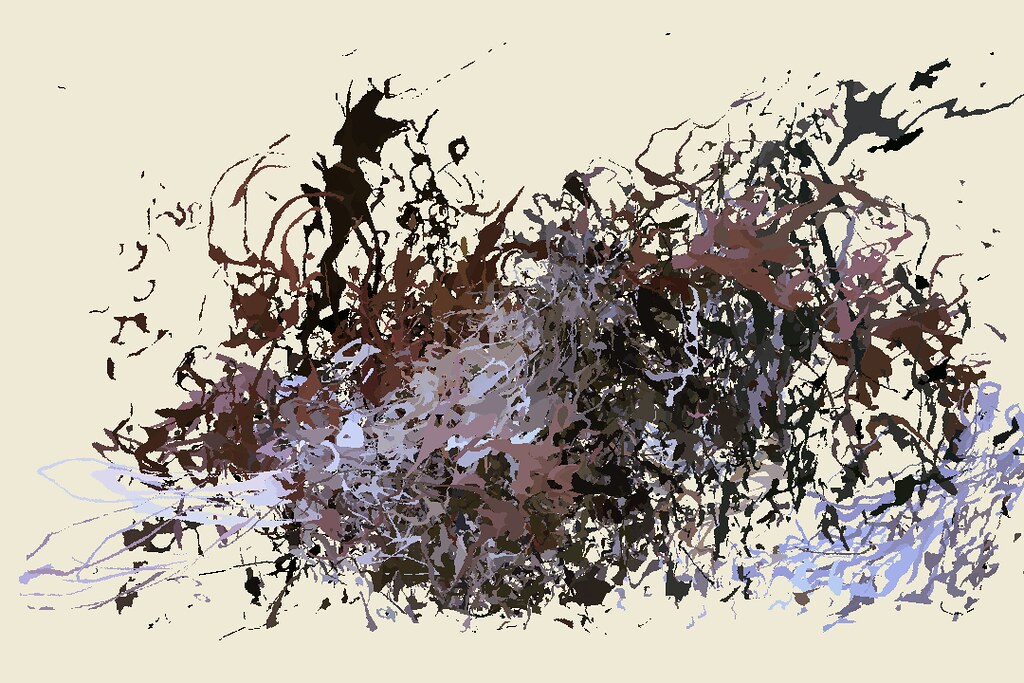
OpenFrameworks is an open-source C++ toolkit designed for creative coding and generative art. Its robust framework provides artists and developers with the tools to create complex, interactive, and high-performance visual art. This blog delves into how OpenFrameworks is used in generative art projects, examining its history, usage, notable artists, and beginner tutorials.
History of OpenFrameworks in Generative Art
Origins and Development
OpenFrameworks was created in 2005 by Zachary Lieberman, Theo Watson, and Arturo Castro to provide a simple framework for experimentation and creative coding using C++. The aim was to simplify the complex nature of C++ while leveraging its power and performance for creative applications.
Growth and Community
Since its inception, OpenFrameworks has grown significantly, supported by a vibrant community of artists, developers, and educators. The framework has seen numerous updates and enhancements, expanding its capabilities and making it a preferred choice for many generative artists.
Impact on Creative Coding
The impact of OpenFrameworks on creative coding has been profound. It has enabled artists to create sophisticated generative art with real-time interactivity and high performance, often used in installations, performances, and experimental projects.
Usage of OpenFrameworks in Generative Art
Core Features and Capabilities
OpenFrameworks offers a range of features ideal for generative art:
- Graphics: Advanced 2D and 3D graphics capabilities.
- Interaction: Support for various input devices like cameras, sensors, and touchscreens.
- Sound: Audio input and output functionalities for creating audiovisual art.
- Networking: Capabilities for networked and collaborative art projects.
Creating Interactive Art
OpenFrameworks excels in creating interactive generative art. Its support for various input devices allows artists to incorporate real-time data and user interactions into their works, creating dynamic and engaging experiences. The framework’s performance optimization ensures smooth operation even with complex visualizations.
Integration with Other Technologies
OpenFrameworks can be integrated with other technologies and frameworks, such as Arduino for hardware interactions, OpenCV for computer vision, and GLSL for custom shaders. This flexibility enables artists to explore a wide range of creative possibilities and push the boundaries of generative art.
Famous Artists Using OpenFrameworks
Zachary Lieberman
As one of the creators of OpenFrameworks, Zachary Lieberman has made significant contributions to the field of generative art. His works often explore the relationship between human gesture and computational responses, creating interactive installations and performances.
Memo Akten
Memo Akten is a renowned artist known for his work with OpenFrameworks. His projects often involve complex systems, artificial intelligence, and large-scale interactive installations, blending art and technology seamlessly.
Kyle McDonald
Kyle McDonald is an artist and researcher who uses OpenFrameworks to create interactive installations and tools for creative expression. His work often explores themes of surveillance, privacy, and the human-computer interaction.
Pros and Cons of Using OpenFrameworks in Generative Art
Pros
- Performance: OpenFrameworks leverages the power of C++, offering high performance for complex visualizations.
- Flexibility: The framework supports a wide range of functionalities, including graphics, sound, interaction, and networking.
- Community Support: A strong community provides extensive resources, tutorials, and forums for support and collaboration.
Cons
- Complexity: The C++ language can be challenging for beginners due to its complexity and steep learning curve.
- Setup and Configuration: Setting up OpenFrameworks can be more involved compared to other creative coding platforms.
- Debugging: Debugging C++ code can be more difficult and time-consuming compared to higher-level languages.
Beginner Project Tutorials
1. Basic Drawing with OpenFrameworks Learn the basics of drawing shapes and creating simple animations using OpenFrameworks. This project covers setting up the environment and writing your first generative art program. Watch the tutorial here.
2. Interactive Particles (OpenFrameworks) Create an interactive particle system that responds to mouse movements. This tutorial introduces basic concepts of interaction and particle dynamics. Watch the tutorial here.
3. Audio-Responsive Art (OpenFrameworks) Learn how to create visual art that responds to audio input. This project covers audio analysis and synchronization with visual elements. Watch the tutorial here.
OpenFrameworks is a powerful toolkit for generative art, offering high performance, flexibility, and extensive capabilities. Its robust framework and strong community support make it an excellent choice for artists looking to create sophisticated, interactive generative art. As technology continues to evolve, OpenFrameworks will remain a key player in the field of creative coding.
TL;DR
- OpenFrameworks is an open-source C++ toolkit for creative coding and generative art.
- Key features include advanced graphics, interaction, sound, and networking capabilities.
- Notable artists using OpenFrameworks include Zachary Lieberman, Memo Akten, and Kyle McDonald.
- Pros include high performance, flexibility, and community support, while cons involve complexity, setup, and debugging challenges.
- Beginner projects like Basic Drawing, Interactive Particles, and Audio-Responsive Art are great starting points.
FAQs
- What is generative art? Generative art involves creating artworks using algorithms or systems that generate outputs based on predefined rules.
- Why use OpenFrameworks for generative art? OpenFrameworks offers high performance, flexibility, and extensive capabilities, making it ideal for complex and interactive generative art.
- What are some popular features of OpenFrameworks? Popular features include advanced graphics, interaction with input devices, audio functionalities, and networking capabilities.
- Can beginners use OpenFrameworks for generative art? While OpenFrameworks is powerful, its use of C++ can present a steep learning curve for beginners.
- What are some common beginner projects for OpenFrameworks generative art? Projects like Basic Drawing, Interactive Particles, and Audio-Responsive Art are popular starting points.
- Who are some notable artists using OpenFrameworks in generative art? Notable artists include Zachary Lieberman, Memo Akten, and Kyle McDonald.
- What are the benefits of using OpenFrameworks for generative art? Benefits include high performance, flexibility, and strong community support.
- Are there any performance limitations with OpenFrameworks in generative art? OpenFrameworks is known for its high performance, particularly suited for complex and resource-intensive projects.
- How does OpenFrameworks handle interactivity in generative art? OpenFrameworks supports various input devices and real-time data, making it ideal for interactive generative art.
- What tools are needed to start with OpenFrameworks generative art? Tools include a code editor, C++ compiler, and the OpenFrameworks framework.
- Can OpenFrameworks be integrated with other technologies for generative art? Yes, OpenFrameworks can be integrated with technologies like Arduino, OpenCV, and GLSL for enhanced capabilities.
- What are some educational resources for learning OpenFrameworks generative art? Resources include online tutorials, documentation on the OpenFrameworks website, and community forums.
- Is OpenFrameworks suitable for creating professional generative art? Yes, many professional artists use OpenFrameworks for its performance and extensive capabilities.
- How do artists share their OpenFrameworks generative art? Artists can share their work through websites, online galleries, and social media platforms.
- What are some advanced techniques in OpenFrameworks generative art? Advanced techniques include using custom shaders, integrating with AI models, and creating large-scale interactive installations.
 Visual Alchemist
2 responses to “OpenFrameworks for Generative Art”
[…] like Processing and p5.js to create intricate generative artworks. These tools, as well as OpenFrameworks, have provided artists with the ability to manipulate shapes, colors, and structures with the […]
LikeLike
[…] exploration of generative art through OpenFrameworks and Python highlights the versatility of programming languages in producing diverse visual […]
LikeLike