In the current landscape of digital industries, two sectors have emerged as dominant forces: e-commerce and gaming. At first glance, these industries may seem worlds apart—one focuses on the buying and selling of goods and services online, while the other immerses users in interactive entertainment experiences. However, a deeper exploration reveals striking similarities, especially in their adoption of generative technologies and community-driven content. This convergence is reshaping how consumers engage with both platforms, offering unprecedented opportunities for growth and innovation.
The advent of advanced technologies such as artificial intelligence (AI), machine learning, and big data analytics has enabled both industries to personalize and enhance user experiences. In gaming, generative algorithms create dynamic content, procedural worlds, and adaptive narratives that respond to player actions. In e-commerce, similar technologies personalize product recommendations, optimize pricing strategies, and streamline customer journeys.
In this comprehensive analysis, we will delve into the generative aspects within gaming and how they parallel developments in e-commerce. We will explore how both industries have experienced similar growth trajectories, the dominance of mobile experiences, the rise of user-generated content, and the importance of community and influencer marketing. Additionally, we will discuss what e-commerce can learn from the gaming industry’s embrace of generative technologies and how this can lead to more engaging, personalized shopping experiences.
The Rise of Generative Gaming
Generative gaming refers to games that use algorithms and AI to create content dynamically, providing unique experiences for each player. This ranges from procedurally generated levels in games like Minecraft and No Man’s Sky to adaptive storylines that change based on player choices. The rise of generative gaming has revolutionized the gaming experience, setting new standards for user engagement and content variety.
Procedural Content Generation (PCG)
Procedural content generation is a method where content is created algorithmically rather than manually, significantly reducing development time and costs while increasing content diversity. In Minecraft, the game’s vast, blocky world is generated procedurally, allowing players to explore virtually limitless terrains. Each new game world is unique, ensuring that no two experiences are the same.
Similarly, “roguelike” games use procedural generation to create random dungeon layouts, enemy placements, and item distributions. This randomness keeps gameplay fresh and challenging, encouraging players to replay the game multiple times.
Adaptive Storytelling
Games like The Witcher 3: Wild Hunt and Detroit: Become Human offer branching narratives that change based on player decisions. This adaptive storytelling provides a personalized experience, making players feel that their choices have real consequences within the game world. By using algorithms to track player actions and adjust the storyline accordingly, these games offer high replay value and deep emotional engagement.
AI in NPC Behavior
Non-player characters (NPCs) in games are becoming increasingly sophisticated thanks to AI. Games like Red Dead Redemption 2 feature NPCs with advanced behavior patterns that respond realistically to the player’s actions. This creates a more immersive and believable game world, enhancing the overall player experience.
Similar Growth Trajectories of E-commerce and Gaming
Both e-commerce and the gaming industry have witnessed exponential growth over the past two decades. The advent of the internet and advancements in technology have fueled this surge. According to market research, the global e-commerce market is expected to reach $6.54 trillion by 2022, while the gaming industry is projected to surpass $200 billion in revenue by 2023.
Impact of the COVID-19 Pandemic
The COVID-19 pandemic has further accelerated growth in both sectors. With lockdowns and social distancing measures in place, consumers turned to online platforms for shopping and entertainment. E-commerce saw a significant increase in online shopping, with consumers purchasing everything from groceries to electronics online. According to Digital Commerce 360, U.S. e-commerce sales grew by 44% in 2020, the highest annual growth in at least two decades.
Similarly, the gaming industry experienced a surge in new players and increased engagement from existing users. Steam, a popular digital distribution platform for PC games, reported a record-breaking 120 million monthly active users in 2020. Mobile gaming also saw substantial growth, with people seeking accessible and convenient forms of entertainment during the pandemic.
Technological Advancements Driving Growth
Advancements in internet infrastructure, such as the rollout of 5G networks, have improved connectivity and reduced latency, enhancing user experiences in both gaming and e-commerce. High-speed internet enables seamless online gaming, streaming, and faster loading times for e-commerce websites, reducing cart abandonment rates.
Global Reach and Market Expansion
Both industries have capitalized on globalization, expanding into emerging markets in Asia, Africa, and Latin America. The accessibility of smartphones and affordable internet plans have opened up new customer bases. For instance, the gaming market in Asia-Pacific accounts for nearly 50% of global gaming revenue, driven largely by mobile gaming.
The Dominance of Mobile Experiences
Mobile devices have become the primary gateway for both gaming and e-commerce. Mobile gaming now accounts for nearly half of the global gaming revenue, thanks to the ubiquity of smartphones and the convenience they offer. Games like PUBG Mobile, Candy Crush Saga, and Pokémon GO have millions of daily active users, demonstrating the massive potential of mobile platforms.
Accessibility and Convenience
The portability of smartphones allows users to engage with games and shopping platforms anywhere, anytime. This convenience has broadened the user base beyond traditional demographics. Casual gamers and shoppers who may not own consoles or desktops are now active participants in these industries.
Monetization Strategies in Mobile Gaming
Mobile games often use freemium models, where the game is free to play but offers in-app purchases for additional content or features. This model has proven highly effective, generating significant revenue. For example, Fortnite and Clash of Clans have generated billions through in-app purchases.
Mobile E-commerce Challenges and Solutions
In e-commerce, while mobile devices account for a significant portion of online traffic, conversion rates have historically lagged behind desktop platforms. This discrepancy is often attributed to clunky checkout processes, smaller screens, and security concerns. To address these issues, e-commerce platforms are:
- Implementing Mobile-First Designs: Websites are optimized for mobile interfaces, ensuring smooth navigation and readability.
- Streamlining Checkout Processes: One-click purchasing, guest checkouts, and simplified forms reduce friction.
- Enhancing Security: Implementing secure payment gateways and reassuring customers about data protection encourages mobile purchases.
The Role of Mobile Apps
Both industries leverage mobile apps to provide enhanced experiences. Gaming apps often offer better performance and features compared to browser-based games. Similarly, e-commerce apps can offer personalized experiences, push notifications for deals, and offline browsing capabilities.
Generative Content: A New Frontier in Gaming
Generative content in gaming has opened up new dimensions of player engagement. Procedural content generation allows games to create expansive worlds, complex scenarios, and adaptive challenges without manual input from developers for every detail. This not only enriches the gameplay but also extends the lifespan of a game by offering fresh experiences.
Case Study: No Man’s Sky

When No Man’s Sky was released, it promised an almost infinite universe for players to explore, thanks to its procedural generation algorithms. With over 18 quintillion planets, each with unique flora, fauna, and geography, the game offers unparalleled exploration opportunities. While initial reactions were mixed due to unmet expectations, continuous updates have improved the game significantly, demonstrating the potential of generative content.
Benefits of Generative Content
- Infinite Replayability: Generative content ensures that players can have new experiences each time they play.
- Resource Efficiency: Developers can create vast amounts of content without the need for extensive manual design.
- Player Engagement: Unique and unpredictable content keeps players interested and invested in the game.
Challenges and Limitations
While generative content offers many benefits, it also presents challenges:
- Quality Control: Randomly generated content may lack the polish and intentional design of handcrafted levels.
- Narrative Coherence: Maintaining a cohesive story can be difficult when content is procedurally generated.
- Technical Complexity: Developing robust algorithms requires significant expertise and can be resource-intensive.
User-Generated Content and E-commerce
User-generated content (UGC) plays a significant role in both gaming and e-commerce. In gaming, UGC extends to mods, custom levels, and community-created assets that enrich the gaming ecosystem. Platforms like Roblox and Minecraft thrive on user creativity, allowing players to build and share their own content.
Roblox: A UGC Powerhouse
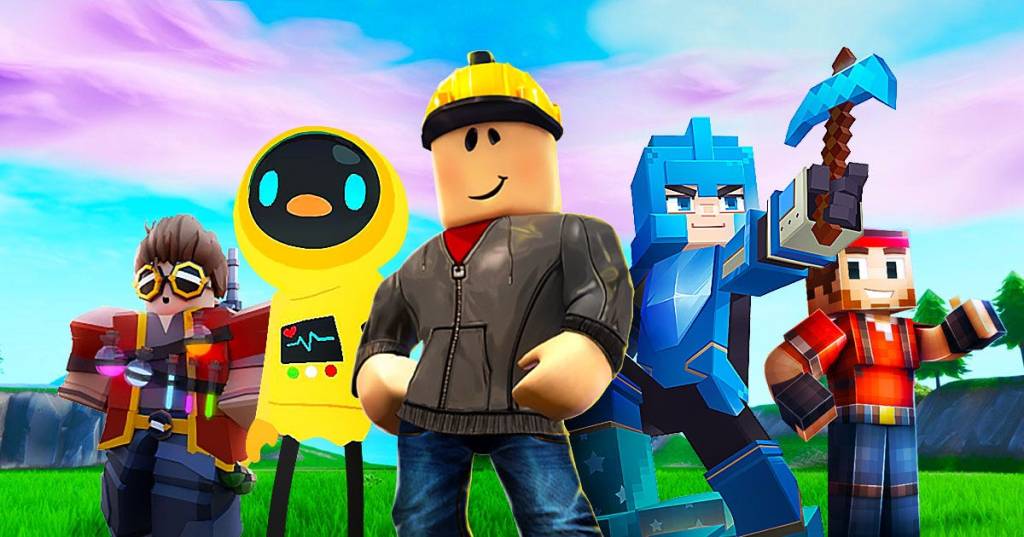
Roblox is more than just a game; it’s a platform where users can create their own games and experiences. With over 150 million monthly active users, Roblox empowers creators by providing tools and a marketplace to monetize their creations. This has led to a thriving ecosystem where some developers earn significant incomes.
Impact on Player Engagement
UGC keeps players engaged by:
- Offering Fresh Content: A constant influx of new user-created content keeps the platform interesting.
- Fostering Community: Collaboration and sharing enhance the sense of community.
- Empowering Players: Giving players creative control increases their investment in the platform.
UGC in E-commerce
In e-commerce, UGC includes:
- Product Reviews and Ratings: Customers share their experiences, helping others make informed decisions.
- Social Media Content: Unboxing videos, product hauls, and styling tips generate buzz and organic promotion.
- Customization Options: Allowing customers to personalize products adds a unique touch.
Benefits of UGC in E-commerce
- Builds Trust: Genuine customer feedback is more trusted than brand messaging.
- Increases Engagement: Encourages interaction between customers and the brand.
- Enhances SEO: Fresh content from users can improve search engine rankings.
Influencer Marketing and Community Building
Influencer marketing has become a cornerstone strategy in both e-commerce and gaming. In the gaming industry, influencers on platforms like Twitch and YouTube have massive followings. Their gameplay streams, reviews, and commentary can significantly impact a game’s popularity.
The Power of Gaming Influencers
Gaming influencers like PewDiePie, Ninja, and Pokimane have millions of subscribers. Their endorsement can lead to spikes in game sales and player engagement. Game developers often collaborate with influencers for early access, sponsorships, and exclusive content to leverage their reach.
Community Building in Gaming
Gaming platforms create communities through:
- Online Forums: Spaces for discussion, tips, and support.
- In-Game Chat and Voice Communication: Facilitates teamwork and social interaction.
- Esports and Competitions: Tournaments and leagues foster a competitive community spirit.
Influencer Marketing in E-commerce
E-commerce brands collaborate with influencers to:
- Reach Target Audiences: Influencers have dedicated follower bases aligned with specific demographics.
- Increase Brand Awareness: Product placements and reviews increase visibility.
- Drive Sales: Influencer recommendations can directly influence purchasing decisions.
Community Building in E-commerce
Brands can build communities by:
- Hosting Events: Virtual events, webinars, and live streams.
- Creating Loyalty Programs: Rewarding repeat customers fosters loyalty.
- Encouraging User Interaction: Social media engagement, customer stories, and forums.
Lessons E-commerce Can Learn from Generative Gaming
The e-commerce industry stands to gain valuable insights from the generative aspects of gaming. Here are some key takeaways:
Personalization through AI
- Dynamic Recommendations: Use AI to analyze customer behavior and offer personalized product suggestions.
- Adaptive Interfaces: Websites that adjust layouts and content based on user preferences.
- Predictive Analytics: Anticipate customer needs and stock inventory accordingly.
Interactive Shopping Experiences
- Virtual Reality Showrooms: Allow customers to explore products in a virtual environment.
- Augmented Reality Try-Ons: Enable users to virtually try on clothes, accessories, or makeup.
- Gamification Elements: Introduce game-like elements such as rewards, levels, and challenges to enhance engagement.
Community Engagement
- Social Shopping: Features that allow friends to shop together online, share wishlists, and give feedback.
- Customer Forums and Groups: Create spaces for customers to interact, share tips, and discuss products.
- User Events: Host live streams, Q&A sessions, or webinars featuring experts and influencers.
User-Generated Content Integration
- Customization Tools: Let customers design their own products or customize existing ones.
- Content Contests: Encourage users to create content for the chance to win prizes or be featured.
- Product Co-Creation: Involve customers in the product development process through feedback and ideas.
Dynamic Content Delivery
- Real-Time Personalization: Use data to adjust content on the fly, such as highlighting relevant promotions.
- Location-Based Offers: Tailor deals based on the customer’s geographic location.
- Adaptive Pricing Models: Implement dynamic pricing strategies that reflect demand, customer loyalty, or purchasing history.
The Future of Generative Gaming and E-commerce
As technology continues to advance, the lines between gaming and e-commerce are likely to blur further. The rise of virtual reality (VR) and augmented reality (AR) offers new avenues for immersive experiences in both industries.
Virtual Reality and the Metaverse
The concept of the metaverse—a collective virtual shared space—is gaining traction. Companies like Facebook (now Meta), Epic Games, and Roblox are investing heavily in creating interconnected virtual environments.
- Opportunities in Gaming: Fully immersive games where players can interact in virtual worlds with realistic avatars.
- Opportunities in E-commerce: Virtual malls where customers can browse and purchase products in a 3D environment.
Blockchain and NFTs
Blockchain technology and non-fungible tokens (NFTs) are emerging trends that could impact both sectors.
- In Gaming: NFTs allow players to own unique in-game assets that can be traded or sold, adding real-world value to virtual items.
- In E-commerce: Brands can offer limited-edition digital collectibles or authenticate luxury goods using blockchain.
Cross-Industry Collaborations
Collaborations between gaming companies and brands are becoming more common.
- In-Game Advertising: Brands can advertise within games in a way that feels organic.
- Branded Game Content: Creating game content or experiences around a brand’s products.
- E-commerce Integration: Allowing in-game purchases of real-world products.
AI and Machine Learning Advancements
Continued advancements in AI will enable:
- More Sophisticated Generative Content: Games that can create even more complex and realistic environments.
- Advanced Personalization: E-commerce platforms that can predict and fulfill customer needs with high accuracy.
- Enhanced Customer Support: AI-driven chatbots and virtual assistants that provide immediate and personalized assistance.
The convergence of e-commerce and gaming, particularly through generative technologies, presents exciting opportunities for innovation and growth. Both industries share common goals: to engage users, build communities, and provide personalized experiences. By learning from the gaming industry’s adoption of generative content and community-driven engagement, e-commerce platforms can enhance their offerings and stay competitive in an ever-changing digital landscape.
As the boundaries between these industries continue to blur, businesses that embrace this convergence will be better positioned to meet the evolving needs of consumers. The future lies in creating seamless, interactive, and personalized experiences that transcend traditional industry divides.
In conclusion, the integration of generative aspects in gaming offers valuable lessons for e-commerce. By adopting similar technologies and strategies, e-commerce platforms can create more engaging, personalized, and community-driven shopping experiences. This not only enhances customer satisfaction but also drives loyalty and long-term growth. As we move towards a more interconnected digital future, the collaboration and convergence of these industries will undoubtedly shape the way we interact, shop, and play.

 Visual Alchemist
Leave a comment