In today’s saturated market, brands are constantly vying for consumer attention. With countless options available at the click of a button, how does a brand stand out and foster loyalty? The answer lies in emotional branding—a strategy that goes beyond showcasing products or services to creating a deep, emotional connection with consumers. By tapping into the psyche of your audience, emotional branding can transform casual shoppers into lifelong advocates.
But how exactly can brands evoke these emotions? The secret is in the visual elements—colors, imagery, and design—that communicate your brand’s story and values. In this comprehensive guide, we’ll delve into the strategies for creating emotional resonance through visual branding elements and explore how they can foster a deeper connection with your audience.
The Psychology Behind Emotional Branding
Emotions play a pivotal role in decision-making. According to neuroscience research, emotional responses to branding can significantly influence consumer behavior. This connection between emotion and decision-making is not just a theory but a scientific fact backed by numerous studies.
In our article on Neuroscience in Brand Perception, we explore how the brain processes brand messages and the importance of aligning your branding strategies with psychological principles. Understanding these principles allows brands to craft messages that resonate on a deeper level, influencing purchasing decisions and fostering loyalty.
Emotional Triggers in Branding
Emotional branding leverages specific triggers to evoke desired feelings. These triggers can be categorized into several key areas:
- Fear of Missing Out (FOMO): Creating a sense of urgency or exclusivity.
- Happiness and Joy: Associating the brand with positive experiences.
- Trust and Security: Building reliability and dependability.
- Belonging and Community: Fostering a sense of connection and inclusivity.
By strategically utilizing these emotional triggers, brands can craft messages and experiences that resonate deeply with their audience.
The Power of Visual Elements in Evoking Emotions
Colors: More Than Meets the Eye
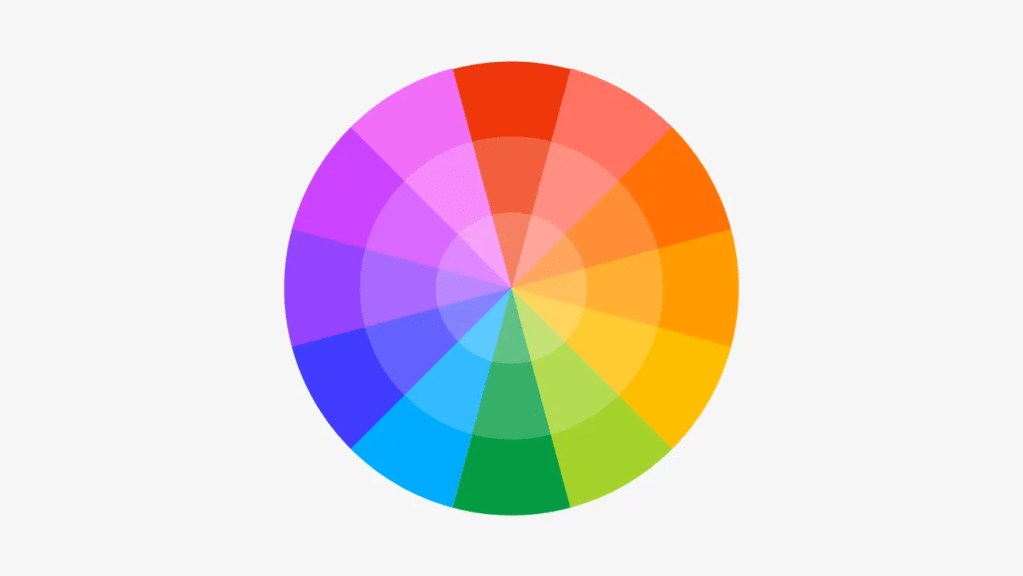
Colors are more than just aesthetic choices; they are powerful tools that can evoke specific emotions and reactions. For instance:
- Red: Often associated with passion, excitement, and urgency.
- Blue: Conveys trust, calmness, and reliability.
- Green: Symbolizes nature, growth, and tranquility.
Understanding color psychology is crucial in branding. Our in-depth guide on How to Use Color Theory in Generative Art provides valuable insights into selecting the right color palette to evoke desired emotions.
Case Study: Coca-Cola’s Red
Coca-Cola’s iconic red color is a masterclass in color psychology. Red evokes strong emotions of excitement and passion, making it perfect for a brand that aims to create joyful and energetic experiences. This color choice has helped Coca-Cola establish a vibrant and memorable brand identity.
Imagery: Telling a Story Without Words

Imagery has the power to convey complex messages instantly. By using images that reflect your brand’s values and resonate with your target audience, you can establish an emotional connection that words alone cannot achieve.
For example, brands focusing on sustainability might use images of nature, while those targeting innovation might showcase futuristic designs. Explore how imagery plays a role in creating emotional experiences in our article on Emotion and Engagement in Digital Art.
Visual Consistency: Building Recognition
Consistent imagery helps in building brand recognition. When consumers repeatedly see the same visual themes, it reinforces their association with the brand, making it more memorable and trustworthy.
Design: Crafting the User Experience

Design encompasses everything from your logo to your website layout. A well-thought-out design can enhance user experience, making interactions with your brand more enjoyable and memorable.
Consider the principles of minimalism discussed in The Impact of Bold Minimalism in Contemporary Design. A clean, uncluttered design can evoke feelings of sophistication and clarity, aligning with brands that value simplicity and elegance.
Interactive Design: Engaging the User
Interactive design elements, such as animations, hover effects, and interactive infographics, can engage users more deeply, creating a dynamic and memorable experience. This engagement fosters a stronger emotional connection as users feel more involved with the brand.
Strategies for Creating Emotional Resonance
Storytelling: Weaving a Compelling Narrative

Humans are wired for stories. By crafting a compelling brand story, you can create an emotional journey that resonates with your audience. This involves:
- Identifying Your Brand’s Core Values and Mission: Clearly define what your brand stands for and what it aims to achieve.
- Creating Relatable Characters or Scenarios: Develop characters or scenarios that your audience can relate to and empathize with.
- Building a Narrative that Aligns with Your Audience’s Aspirations and Challenges: Ensure your story speaks to the hopes, dreams, and struggles of your target audience.
Learn how to harness the power of storytelling with generative visuals in our piece on Immersive Storytelling with Generative Visuals, Emotions, and Creativity.
Example: Nike’s Inspirational Campaigns
Nike excels at storytelling by showcasing athletes overcoming challenges, which aligns with their brand message of perseverance and excellence. These stories inspire and emotionally engage their audience, fostering loyalty and admiration.
Consistent Brand Voice: Building Trust and Recognition
A consistent brand voice across all platforms builds trust and makes your brand easily recognizable. Whether it’s the tone of your social media posts or the language used in customer service, consistency is key.
Establishing a Unique Tone
Define the tone that best represents your brand—be it formal, friendly, authoritative, or playful—and maintain it across all channels. This consistency helps in establishing a strong and recognizable brand identity.
User Experience: Designing for Emotion
Every touchpoint with your brand should evoke a positive emotional response. This includes website navigation, customer service interactions, and even the unboxing experience of a product.
Delve into how user experience can be enhanced through sound and other sensory elements in The Hidden Power of Sound in UX: Why Designers Can’t Ignore It Any Longer.
Personalization: Tailoring Experiences
Personalizing user experiences based on data and consumer behavior can significantly enhance emotional connections. Tailored recommendations, personalized messages, and customized product offerings make consumers feel valued and understood.
Enhancing Emotional Branding with Technology
Artificial Intelligence and Data-Driven Insights
Leveraging AI can help brands understand consumer emotions and preferences at a granular level. By analyzing data, brands can tailor their visual elements to better connect with their audience.
Explore how AI is revolutionizing creativity in The Role of AI in Shaping Contemporary Art.
Predictive Analytics: Anticipating Needs
AI-driven predictive analytics can forecast consumer behavior, allowing brands to proactively address needs and preferences. This foresight helps in creating more relevant and emotionally resonant marketing strategies.
Generative Art and Interactive Experiences
Generative art allows for the creation of unique, algorithm-driven visuals that can adapt in real-time. This technology can be used to create personalized experiences that resonate emotionally with consumers.
Learn about the potential of generative art in branding in Generative Art: From Historical Roots to Modern Expression.
Dynamic Content: Real-Time Adaptation
Dynamic content generated through algorithms can adapt based on user interactions, creating a more engaging and personalized experience. This adaptability enhances emotional connections by making interactions feel more meaningful and tailored.
Virtual Reality and Augmented Reality
VR and AR technologies offer immersive experiences that can significantly enhance emotional engagement. Brands can create virtual environments that allow consumers to interact with products and services in a lifelike setting.
Immersive Storytelling with VR
Brands can use VR to tell their stories in an immersive way, allowing consumers to experience the brand narrative firsthand. This deepens emotional connections as users become active participants in the brand story.
Case Studies: Brands That Master Emotional Branding
Apple’s Minimalistic Approach
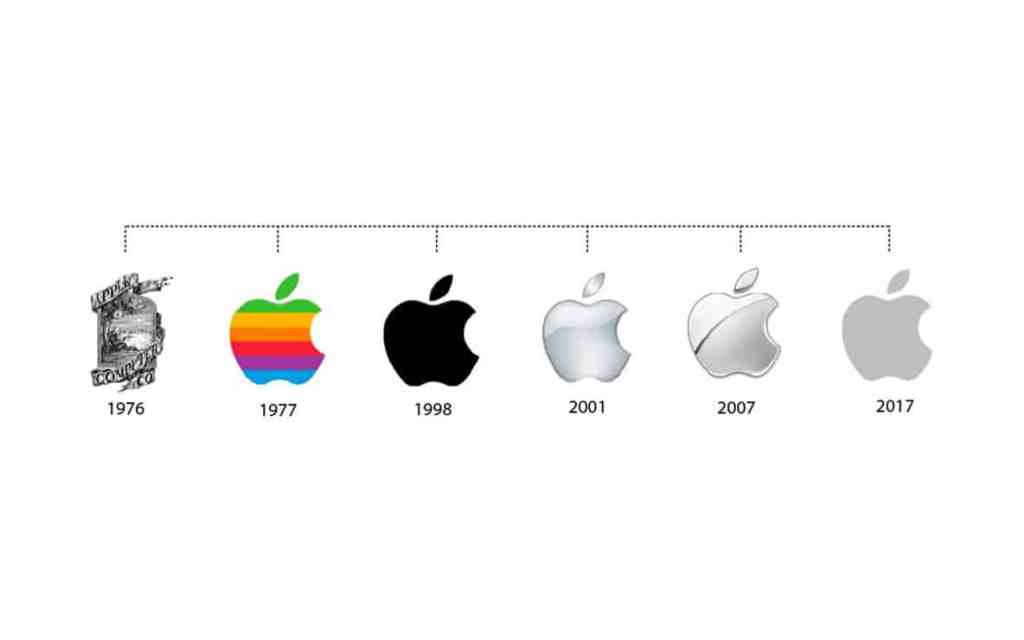
Apple’s use of sleek design and minimalism creates an emotional appeal of sophistication and innovation. Their consistent use of white space and simple imagery speaks volumes about their brand identity.
Impact of Minimalism on Consumer Perception
Minimalistic design reduces cognitive load, making interactions with Apple products intuitive and enjoyable. This simplicity fosters a sense of reliability and high quality, aligning with Apple’s brand values.
Coca-Cola’s Happiness Campaign
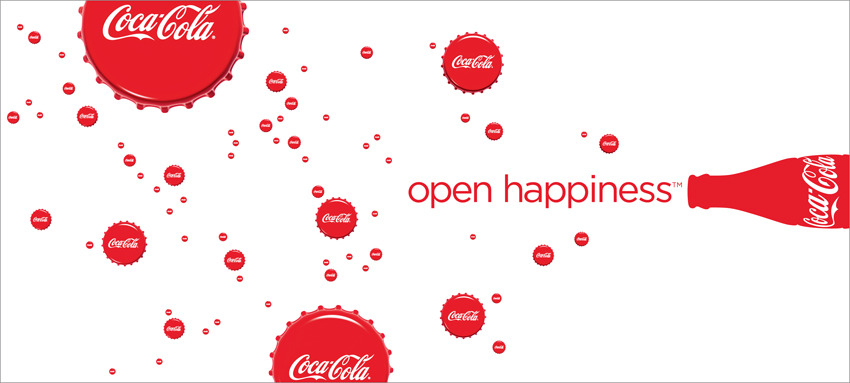
Coca-Cola’s branding focuses on joy and togetherness. Through vibrant colors and heartwarming imagery, they consistently evoke feelings of happiness and nostalgia.
Creating Timeless Emotional Connections
Coca-Cola’s ability to evoke nostalgia through its imagery and messaging ensures a timeless connection with consumers. Their campaigns often highlight universal themes of happiness and community, making the brand universally relatable.
Nike’s Empowering Messaging

Nike’s campaigns often feature stories of athletes overcoming adversity, aligning with their brand message of perseverance and excellence.
Emotional Engagement Through Empowerment
By showcasing real stories of triumph and resilience, Nike empowers consumers to push their limits. This emotional engagement fosters a deep sense of loyalty and admiration towards the brand.
Emotional Branding in the Digital Age
Social Media: The New Emotional Battleground
Social media platforms offer brands the opportunity to engage with consumers on a personal level. Through interactive content and real-time communication, brands can build emotional connections more effectively.
Leveraging User-Generated Content
Encouraging users to create and share content related to the brand fosters a sense of community and belonging. User-generated content serves as authentic testimonials, enhancing trust and emotional resonance.
Engagement Through Interactive Features
Utilizing polls, live videos, and interactive stories can increase engagement and make consumers feel more involved with the brand. These interactions create memorable experiences that strengthen emotional bonds.
Interactive Installations and Virtual Reality
Brands are increasingly using interactive installations and VR to create immersive experiences. These technologies engage multiple senses, creating stronger emotional responses.
Discover how interactive art installations are transforming audience engagement in Engaging Audiences with Interactive Installations: Art, Education, Marketing, and Entertainment.
Multi-Sensory Experiences
Interactive installations that engage sight, sound, and touch can create holistic experiences that leave lasting emotional impressions. These multi-sensory engagements make interactions with the brand more memorable and impactful.
Content Marketing: Story-Driven Engagement
Content marketing strategies that focus on storytelling can effectively build emotional connections. Blogs, videos, and podcasts that share meaningful stories resonate more deeply with audiences.
Educational Content: Building Authority and Trust
Providing educational content that helps consumers solve problems or learn something new positions the brand as an authority, fostering trust and loyalty.
Inspirational Content: Motivating and Inspiring Consumers
Inspirational stories and motivational content can uplift and engage consumers emotionally, encouraging them to align with the brand’s values and mission.
Measuring the Impact of Emotional Branding
Key Metrics to Consider
- Customer Loyalty and Retention Rates: High retention rates indicate strong emotional connections.
- Engagement Metrics (Likes, Shares, Comments): Higher engagement signifies resonant content.
- Net Promoter Score (NPS): Measures the likelihood of customers recommending the brand.
- Emotional Response Surveys: Direct feedback on consumer emotions related to the brand.
Understanding these metrics helps in refining strategies for better emotional engagement.
Tools for Measuring Emotional Impact
- Sentiment Analysis Tools: Analyze social media and customer reviews to gauge emotional responses.
- Customer Feedback Platforms: Collect direct feedback through surveys and polls.
- Analytics Software: Track engagement metrics and behavioral data to understand emotional engagement levels.
Regularly monitoring these metrics allows brands to adjust their strategies, ensuring that emotional branding efforts remain effective and aligned with consumer sentiments.
Authenticity Over Manipulation
While emotional branding is powerful, it’s essential to remain authentic. Consumers are savvy and can detect disingenuous efforts, which can harm your brand’s reputation.
Building Genuine Connections
Authentic storytelling and sincere messaging foster trust and long-term loyalty. Brands should focus on genuine values and transparent communication to build real emotional connections.
Cultural Sensitivity
Emotions and their expressions can vary across cultures. Brands must be mindful of these differences to avoid misinterpretation.
Read about incorporating cultural symbolism ethically in Cultural Symbolism in Generative Art: Bridging Tradition and Technology.
Localized Branding Strategies
Tailoring branding strategies to respect and reflect cultural nuances ensures that emotional branding efforts are effective and respectful across diverse audiences.
Avoiding Emotional Manipulation
Using emotions to manipulate consumer behavior can backfire. Brands should strive to inspire and connect rather than exploit emotions for short-term gains.
Ensure that storytelling practices are honest and do not mislead consumers. Ethical storytelling builds trust and sustains long-term relationships.
The Role of Technology in Emotional Branding
Artificial Intelligence and Data-Driven Insights
Leveraging AI can help brands understand consumer emotions and preferences at a granular level. By analyzing data, brands can tailor their visual elements to better connect with their audience.
Explore how AI is revolutionizing creativity in The Role of AI in Shaping Contemporary Art.
Personalized Marketing Campaigns
AI enables the creation of personalized marketing campaigns that resonate emotionally with individual consumers, enhancing engagement and loyalty.
Generative Art and Interactive Experiences
Generative art allows for the creation of unique, algorithm-driven visuals that can adapt in real-time. This technology can be used to create personalized experiences that resonate emotionally with consumers.
Learn about the potential of generative art in branding in Generative Art: From Historical Roots to Modern Expression.
Dynamic Branding Elements
Implementing generative art in branding can result in dynamic logos, interactive website elements, and personalized visual content that continuously engage consumers.
Virtual Reality and Augmented Reality
VR and AR technologies offer immersive experiences that can significantly enhance emotional engagement. Brands can create virtual environments that allow consumers to interact with products and services in a lifelike setting.
Creating Immersive Brand Worlds
Developing VR experiences where consumers can explore brand narratives and interact with products in a virtual space fosters deeper emotional connections and memorable experiences.
Integrating Emerging Technologies
As technology continues to evolve, so do the opportunities for emotional branding. Emerging technologies like artificial intelligence, virtual reality, and augmented reality offer new avenues for creating deeper emotional connections with consumers.
AI-Driven Personalization
Future advancements in AI will enable even more personalized and emotionally resonant branding strategies. By analyzing vast amounts of data, AI can predict and respond to consumer emotions in real-time, tailoring brand interactions to individual preferences and moods.
Sustainable and Ethical Branding
Consumers are increasingly valuing sustainability and ethical practices. Brands that align their emotional branding strategies with these values can build stronger, more meaningful connections with their audience.
Green Branding Initiatives
Incorporating sustainable practices and communicating these efforts authentically can evoke positive emotions of trust and responsibility, strengthening brand loyalty.
Emotional Branding Across Multichannel Platforms
With the proliferation of digital platforms, brands must ensure consistency in their emotional branding across all channels. Whether it’s social media, email marketing, or physical retail spaces, maintaining a cohesive emotional narrative is crucial.
Omnichannel Emotional Consistency
Ensuring that the emotional tone and visual elements are consistent across all platforms reinforces the brand identity and deepens emotional connections with consumers.
Emotional branding is not just a marketing buzzword; it’s a vital strategy for building lasting relationships with consumers. By thoughtfully integrating colors, imagery, and design, brands can evoke specific emotions that resonate deeply with their audience.
We are in a world where consumers are overwhelmed with choices, emotional connections can be the differentiator that sets your brand apart. Embrace the power of emotional branding to not only capture attention but to win hearts and foster loyalty.
Further Reading
- Exploring Generative Art: Creativity and Technology Unleashed
- The Art of Data: Understand the World of Data-Driven Creativity
- Emotional Branding: Connecting with Consumers on a Deeper Level
- Cultural Symbolism in Generative Art: Bridging Tradition and Technology
- Emotion and Engagement in Digital Art
- The Impact of Bold Minimalism in Contemporary Design
- Neuroscience in Brand Perception
- How to Use Color Theory in Generative Art
- The Hidden Power of Sound in UX: Why Designers Can’t Ignore It Any Longer
- Generative Art: From Historical Roots to Modern Expression
- The Role of AI in Shaping Contemporary Art
- Immersive Storytelling with Generative Visuals, Emotions, and Creativity
- Engaging Audiences with Interactive Installations: Art, Education, Marketing, and Entertainment
- Cultural Symbolism in Generative Art: Bridging Tradition and Technology

 Visual Alchemist
Leave a comment