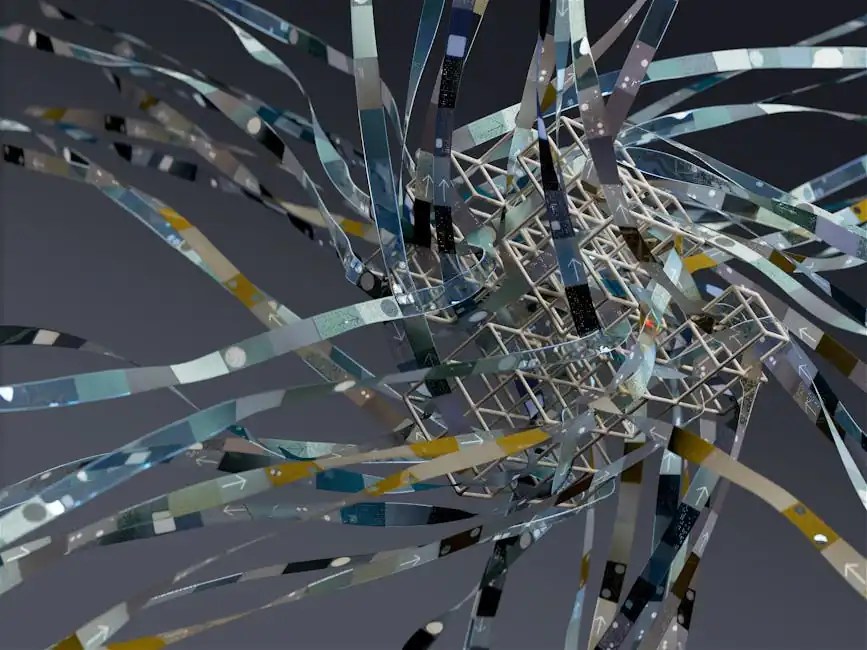
From historical milestones to key artists, tools and technologies to future trends, we will explore every aspect of generative art and its impact on modern design.
What is Generative Art
Generative art is a form of art that is created using an autonomous system. This system can be a computer program, algorithm, or even a set of rules that dictate how the artwork is generated. The beauty of generative art lies in its ability to create unique and unpredictable pieces that are constantly evolving.
The Basics of Generative Art
Generative art relies on randomness and algorithms to create artwork that is not predetermined by the artist. Instead, the artist sets the parameters and lets the system take over, resulting in endless possibilities for creativity. This type of art challenges traditional notions of authorship and allows for a more collaborative approach between human creativity and technology.
How Technology Powers Creativity
Technology plays a crucial role in generative art by providing artists with tools to explore new forms of expression. From coding languages like Processing and Max/MSP to machine learning algorithms, artists have access to a wide range of technologies that enable them to push the boundaries of what is possible in art creation. By harnessing the power of technology, artists can create dynamic and interactive artworks that engage viewers in new and exciting ways.
Historical Milestones in Generative Art
Early Beginnings and Key Influencers
Generative art has a rich history that dates back to the early 20th century, with pioneers such as Manfred Mohr and Frieder Nake experimenting with algorithms and computer programs to create unique artworks. These early influencers laid the foundation for what would later become a thriving field at the intersection of art and technology.
Modern Breakthroughs and Digital Evolution
In recent years, generative art has experienced a renaissance thanks to advancements in digital technology. Artists like Casey Reas and Marius Watz have pushed the boundaries of what is possible with code, creating intricate and mesmerizing pieces that challenge traditional notions of artistry. The evolution of generative art continues to unfold as artists explore new tools and techniques to create dynamic and interactive works that captivate audiences around the world.
Tools and Technologies Behind Generative Art
Software Essentials for Creating Generative Art
Generative art relies heavily on software programs that enable artists to create unique and dynamic pieces. Some of the essential software tools for generating art include:
- Processing: A flexible software sketchbook and a language for learning how to code within the context of the visual arts.
- OpenFrameworks: An open-source C++ toolkit designed to assist the creative process by providing a simple and intuitive framework.
- Max/MSP/Jitter: A visual programming language that allows artists to create interactive multimedia works.
- Unity: A popular game development platform that can also be used for creating generative art through its powerful rendering capabilities.
Hardware that Enhances the Creative Process
In addition to software, hardware plays a crucial role in enhancing the creative process of generative art. Some of the hardware tools that artists often use include:
- Graphics Tablets: These devices allow artists to draw directly onto a digital canvas with precision and control, making it easier to create intricate generative designs.
- High-Resolution Monitors: Having a high-resolution monitor is essential for viewing detailed artwork and ensuring accurate color representation.
- Graphics Cards: Powerful graphics cards are necessary for running complex generative algorithms and rendering high-quality visuals in real-time.
- Interactive Installations: For artists interested in creating interactive generative art installations, sensors, projectors, and other interactive hardware components are essential for bringing their vision to life.
By incorporating these software tools and hardware technologies into their creative workflow, artists can push the boundaries of generative art and explore new possibilities in digital creativity.
Understanding the Process of Creating Generative Art
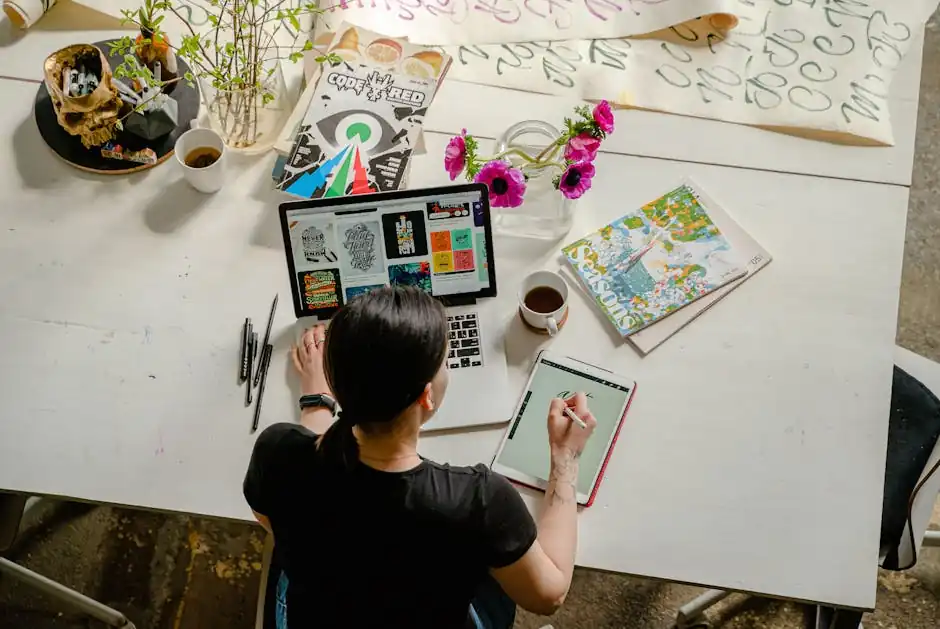
From Concept to Execution
Generative art is a form of art that is created through the use of algorithms and computer programming. The process begins with a concept or idea that the artist wants to explore. This concept is then translated into code, which dictates how the artwork will be generated.
Once the code is written, it is executed by a computer program, which produces the final artwork based on the parameters set by the artist. This process allows for a high degree of creativity and experimentation, as artists can easily make changes to their code and see how it affects the final outcome.
Iteration and the Role of Algorithms
One of the key aspects of generative art is iteration. Artists can create multiple versions of their artwork by tweaking the parameters in their code and running it again. This iterative process allows for endless possibilities and variations, making generative art a truly dynamic and ever-evolving form of expression.
Algorithms play a crucial role in generative art, as they determine how the artwork is generated. These algorithms can range from simple mathematical formulas to complex machine learning models, depending on the desired outcome. By harnessing the power of algorithms, artists can create intricate and mesmerizing artworks that push the boundaries of traditional artistic techniques.
“Generative art combines creativity with technology to produce unique and innovative artworks that challenge our perceptions of what art can be.”
Key Artists in the Field of Generative Art
Pioneers Who Shaped the Scene
1. Harold Cohen
Harold Cohen, a British artist and computer scientist, is widely recognized as one of the pioneers of generative art. His program, AARON, created intricate artworks that blurred the lines between human creativity and machine intelligence.
2. Manfred Mohr
Manfred Mohr, a German-born artist, is known for his groundbreaking work in algorithmic art. His geometric compositions have influenced generations of artists and continue to inspire new developments in the field of generative art.
3. Vera Molnar
Vera Molnar, a Hungarian-French artist, is celebrated for her early experiments with computer-generated art. Her minimalist aesthetic and exploration of mathematical algorithms have made her a key figure in the history of generative art.
Contemporary Artists to Watch
1. Refik Anadol
Refik Anadol, a Turkish-American artist and designer, pushes the boundaries of generative art with his immersive installations and data-driven visualizations. His work explores the intersection of artificial intelligence and creativity in mesmerizing ways.
2. Quayola
Quayola, an Italian visual artist, combines traditional artistic techniques with cutting-edge technology to create stunning generative artworks. His dynamic digital sculptures and audiovisual performances redefine our understanding of form and movement in art.
3. Anna Ridler
Anna Ridler, a British artist and researcher, uses machine learning algorithms to generate intricate patterns and textures in her multimedia projects. Her work challenges traditional notions of authorship and invites viewers to reconsider the role of technology in artistic creation.
In conclusion, these key artists have played a crucial role in shaping the landscape of generative art, from its early beginnings to its current state of innovation and experimentation. As we look towards the future, it is clear that the field will continue to evolve with the contributions of emerging talents who push the boundaries of what is possible through code and creativity.
How Generative Art is Influencing Modern Design
Generative art, a form of art that is created using algorithms and computer code, has been making waves in the world of modern design. Its unique ability to create intricate and complex patterns, shapes, and colors has caught the attention of designers across various industries. Let’s explore how generative art is influencing modern design.
Impact on Fashion and Product Design
Generative art has had a significant impact on the world of fashion and product design. Designers are now using algorithms to create unique patterns and textures for clothing, accessories, and even furniture. This approach allows for endless possibilities in design, as each piece can be customized and tailored to meet the specific needs of the consumer. The use of generative art in fashion and product design has opened up new avenues for creativity and innovation, pushing boundaries and challenging traditional design norms.
Influence on Digital and Interactive Media
In the realm of digital and interactive media, generative art has become a powerful tool for creating engaging visual experiences. From interactive websites to immersive installations, designers are harnessing the power of algorithms to generate dynamic visuals that respond to user input in real-time. This fusion of technology and creativity has led to the development of captivating digital experiences that blur the lines between art, technology, and user interaction.
As generative art continues to evolve and expand its influence in modern design, we can expect to see even more innovative applications across various industries. Its ability to push boundaries, challenge traditional design practices, and inspire creativity makes it a valuable asset for designers looking to make a lasting impact in today’s fast-paced digital landscape.
Practical Applications of Generative Art
In Commercial Advertising
Generative art has found a significant place in the world of commercial advertising. Brands are constantly looking for innovative ways to capture the attention of their target audience, and generative art offers a unique and engaging approach to achieve this goal. By using algorithms and computer programs to create dynamic visuals, advertisers can create eye-catching campaigns that stand out in a crowded marketplace.
One notable example of generative art in commercial advertising is the use of dynamic logos. Companies can utilize generative algorithms to create logos that change and evolve over time, reflecting the brand’s adaptability and creativity. This not only captures the audience’s attention but also creates a sense of excitement and anticipation around the brand.
In Architectural Visualization
Generative art has also made its mark in architectural visualization, offering architects and designers a powerful tool to explore new ideas and concepts. By using algorithms to generate complex patterns and forms, architects can push the boundaries of traditional design and create structures that are both visually stunning and structurally sound.
One key advantage of using generative art in architectural visualization is the ability to quickly iterate on designs. Architects can easily tweak parameters and variables in their algorithms to explore different possibilities, allowing them to fine-tune their designs with ease. This iterative process not only speeds up the design phase but also encourages creativity and experimentation.
Overall, generative art offers endless possibilities for both commercial advertising and architectural visualization. Its ability to create dynamic visuals and push the boundaries of traditional design makes it a valuable tool for any creative professional looking to make an impact in their field.
Future Trends in Generative Art
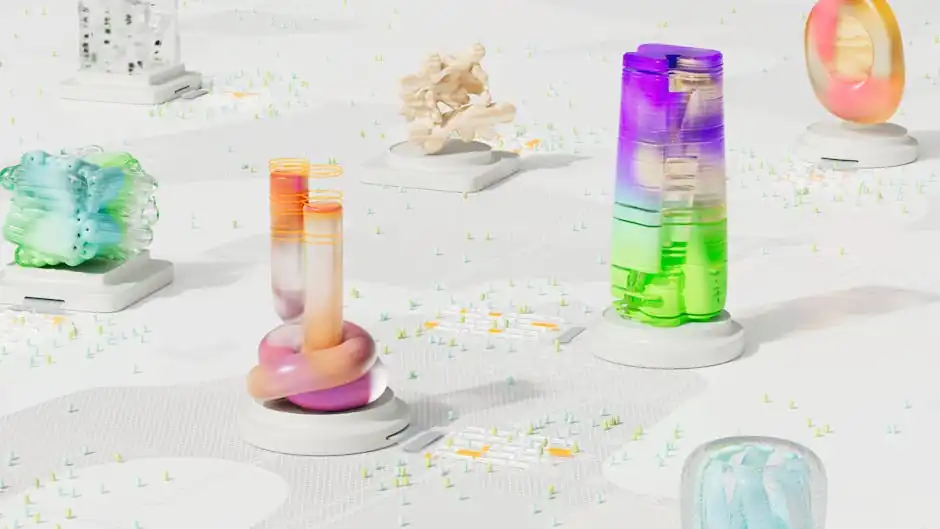
As technology continues to advance at a rapid pace, the world of generative art is also evolving. Artists and technologists are constantly pushing the boundaries of what is possible with generative algorithms and software. Here are some key future trends to keep an eye on:
Emerging Techniques and Technologies
- Machine Learning Integration: One of the most exciting developments in generative art is the integration of machine learning algorithms. Artists are using neural networks to create stunning visual artworks that were previously unimaginable.
- Virtual Reality and Augmented Reality: The rise of virtual reality and augmented reality technologies has opened up new possibilities for generative art. Artists can now create immersive experiences that blur the lines between the physical and digital worlds.
- Blockchain Art: Blockchain technology is being used to create unique digital artworks that are verifiable and scarce. This has opened up new opportunities for artists to monetize their creations through tokenization.
- Generative Music: While generative art has traditionally focused on visual mediums, there is a growing interest in applying generative algorithms to music composition. Artists are exploring how algorithms can be used to create dynamic and ever-changing musical compositions.
Predictions for the Next Decade
“The next decade will see a convergence of technology and creativity like never before. Generative art will become more mainstream as artists embrace new tools and techniques to push the boundaries of what is possible.”
- Increased Collaboration: We can expect to see more collaborations between artists, technologists, and scientists as they work together to explore the potential of generative art.
- Ethical Considerations: As generative algorithms become more sophisticated, there will be important ethical considerations to address, such as ownership rights, algorithm bias, and privacy concerns.
- Mainstream Adoption: Generative art will no longer be confined to niche communities but will gain wider recognition in mainstream culture as people begin to appreciate the beauty and complexity of algorithmically generated artworks.
In conclusion, the future of generative art looks bright with exciting advancements on the horizon. As technology continues to evolve, so too will the possibilities for creative expression through generative algorithms.
Ethical Considerations in Generative Art
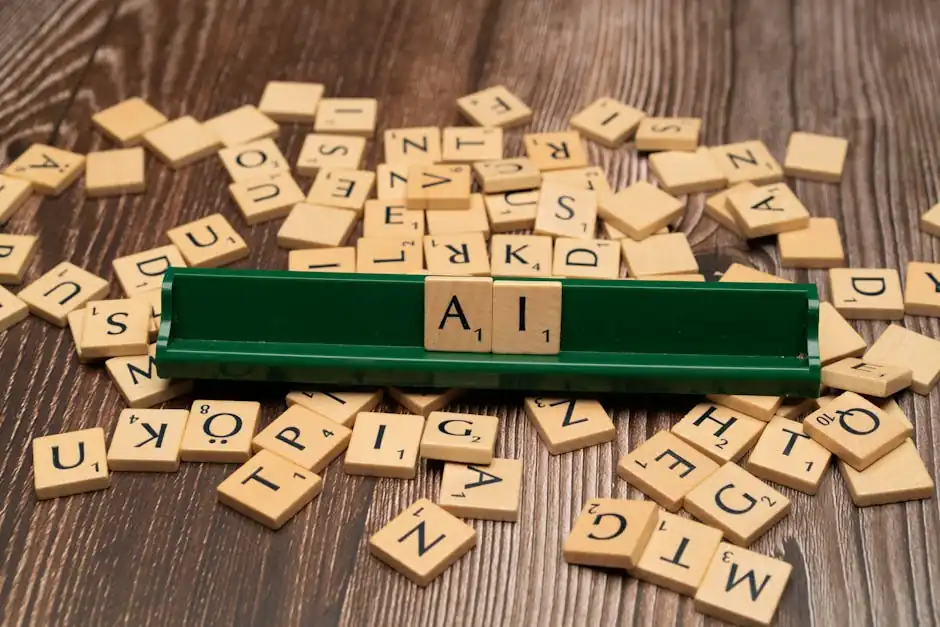
In the world of generative art, ethical considerations play a crucial role in shaping the discourse and practice of this innovative form of artistic expression. As creators harness the power of algorithms and artificial intelligence to generate unique artworks, questions surrounding authorship, originality, and the role of human creativity come to the forefront.
The Debate Around Authorship and Originality
One of the key ethical dilemmas in generative art revolves around the concept of authorship and originality. With algorithms playing a significant role in the creation process, traditional notions of artistic ownership are challenged. Who should be credited as the creator – the human artist who designs the algorithm or the machine that generates the artwork? This debate raises important questions about intellectual property rights, attribution, and recognition in a digital age where collaboration between humans and machines is increasingly common.
Balancing Human Creativity with AI Input
Another ethical consideration in generative art is how to balance human creativity with AI input. While algorithms can produce endless variations and permutations that may inspire new artistic directions, it is essential for artists to maintain control over their creative vision. Striking a balance between leveraging the capabilities of AI technology and preserving human agency is crucial to ensuring that generative art remains a reflection of human expression rather than purely mechanistic output.
As artists continue to push boundaries and explore the possibilities offered by generative art, navigating these ethical considerations will be paramount in shaping a responsible and sustainable future for this evolving field.
Incorporating Generative Art into Everyday Products
Enhancing Brand Identity with Unique Designs
Incorporating generative art into everyday products can be a game-changer for brands looking to stand out in a crowded market. By leveraging algorithms and computer-generated patterns, companies can create unique designs that resonate with consumers on a deeper level. These one-of-a-kind creations not only enhance brand identity but also set the brand apart from competitors.
Generative art allows brands to tap into the power of creativity and innovation, showcasing their commitment to pushing boundaries and thinking outside the box. This approach not only attracts attention but also fosters a sense of authenticity and originality that consumers appreciate.
Sustainability Meets Innovation
One of the key benefits of incorporating generative art into everyday products is the opportunity to merge sustainability with innovation. By using algorithms to design products, brands can optimize material usage, reduce waste, and minimize environmental impact.
Generative design enables companies to create products that are not only visually appealing but also environmentally friendly. This combination of sustainability and innovation resonates with eco-conscious consumers who are increasingly seeking products that align with their values.
By embracing generative art in product design, brands can showcase their commitment to both creativity and sustainability, setting themselves apart as forward-thinking leaders in their industry.
It’s clear that this innovative form of artistic expression is not only shaping the creative landscape but also influencing modern design in profound ways. With emerging techniques and technologies on the horizon, the future of generative art is bright and full of possibilities. So whether you’re a seasoned artist or just starting out, consider incorporating generative art into your everyday products to enhance brand identity and bring a touch of sustainability-meets-innovation to your creations.
 Visual Alchemist
Leave a comment